
In a groundbreaking development, clean energy generation surpassed the rise in global electricity demand in 2025, with solar farms leading the charge by increasing output by a third, while electricity from fossil fuels experienced a slight decline. This milestone, revealed in research from the thinktank Ember, signals a hopeful shift toward phasing out planet-heating fossil fuels, as all of last year's growth in global electricity demand was met exclusively from renewable sources.
Solar Power's Record Growth and Global Impact
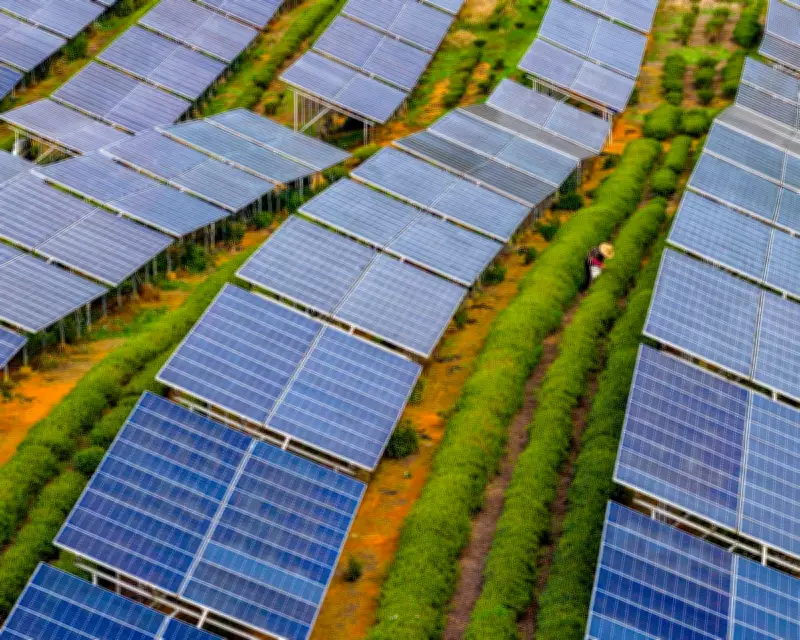
Solar power generation soared by nearly a third in 2025, setting a new record and accelerating growth rates. Over the decade from 2015, solar output expanded tenfold, roughly doubling every three years, according to Ember's analysis. More than half of this increase originated from China, which has surged ahead as a leader in renewable energy and remains the world's largest exporter of clean energy components. In Shaoxing, Zhejiang Province, innovative practices like underplanting solar panels with rows of tea bushes exemplify China's integrated approach to clean energy and agriculture.
Key Findings from the Ember Report
The research highlights that solar power met three-quarters of the increase in electricity demand in 2025, with wind power accounting for most of the remainder. Electricity generation from fossil fuels fell by 0.2%, indicating a structural change in the global energy landscape. Aditya Lolla, managing director of Ember, emphasized, "We have firmly entered the era of clean growth. Clean energy is now scaling fast enough to absorb rising global electricity demand, keeping fossil generation flat before its inevitable decline. The momentum we are seeing is no longer just an ambition, it is becoming a structural reality."
Regional Contributions and Battery Storage Advances
India also demonstrated strong growth in renewable energy, reducing its reliance on coal that has characterized much of its recent economic expansion. The country added record amounts of clean generation, exceeding the growth in its electricity demand, with fossil fuel power generation falling by 52 terawatt hours, slightly less than the decline observed in China. Globally, renewable energy accounted for 34% of electricity generation in 2025, surpassing coal's 33% share.
Battery storage emerged as a critical factor in this transition, with about 14% of last year's additional solar generation utilized at other times of day due to significant increases in battery uptake. Prices for batteries have dropped sharply over the past decade, enhancing their viability and integration into energy systems.
Challenges and Future Outlook
The report's findings, based on trends before the current oil crisis triggered by the US-Israeli war on Iran, remain relevant as countries face energy crunches amid rising fossil fuel prices. Aditya Lolla noted that clean energy is already helping nations reduce exposure to fossil fuel imports and costs while meeting escalating electricity demand. However, he stressed the need for modernizing grids and regulatory frameworks to support this new reality.
Transport and heating sectors, heavily dependent on oil and gas in many countries, must also undergo electrification to facilitate a global transition away from fossil fuels. This shift will require substantial improvements to infrastructure, including power grids, to handle increased electricity demand. In response, over 50 countries are set to meet in Colombia this month to discuss accelerating the global transition away from fossil fuels, a meeting that has gained urgency amid the ongoing oil crisis.



