
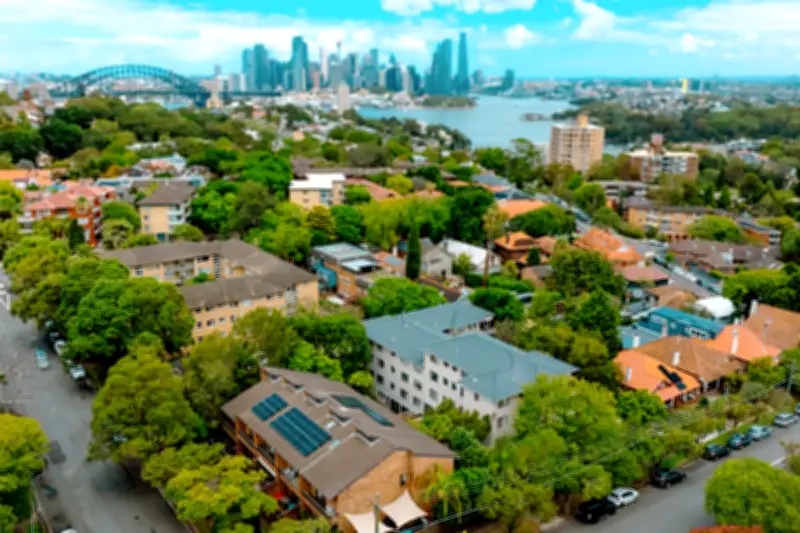
Australia leads the world in household solar adoption, but the benefits are unevenly distributed. About 39% of Australians living in detached or semi-detached houses have solar, compared with just 6% of those in apartments or units, according to research by Energy Consumers Australia (ECA). A similar gap exists for batteries: 7% of houses have them versus 3% of apartments or units.
Hurdles for apartment dwellers
Ashley Bradshaw, ECA's executive manager for advocacy and analysis, says “the research is pretty clear that most of the solar we have on homes today is on stand-alone homes.” Apartment dwellers face multiple barriers, including shared roof space, body corporate rules, and electricity metering complexities. Renters and lower-income households face additional challenges.
Kate Nicolazzo, director of the social change agency Let Me Be Frank, notes that installing solar on an apartment building is “just a completely different kettle of fish” compared to a house, with added governance and group decision-making issues. “It is absolutely doable, but it is not necessarily easy,” she says.
Technological solutions
Two main solar setups exist for apartment buildings: directly connected systems with separate inverters for each flat, or shared systems that distribute power equitably among dwellings or to common areas. Allume Energy, a Melbourne-based company, developed SolShare, a system that acts like a “traffic controller for solar,” as CEO and co-founder Cameron Knox explains. It allocates energy every 200 milliseconds to maximize savings for all residents, ensuring each home gets a fair share over the month.
SolShare works behind the meter, and residents need a smart meter to export excess solar. Most apartments in Australia are lower-rise buildings, averaging about 12 units, with plentiful roof space and less shading than houses. Allume has connected more than 6,600 apartments in Australia and nearly 11,000 worldwide.
Other technologies, like plug-in “balcony solar,” are popular overseas but limited in Australia due to safety rules and metering.
Strata and governance challenges
Nicolazzo highlights that decisions about common property in strata schemes require navigating owners corporations and property managers, with voting thresholds and bylaws that can hinder agreement. In Victoria, 75% owner approval is needed for certain decisions, requiring time and neighborly communication. She advises finding a friend in the building to work with through the process.
Additional complexities include roof repairs, switchboard upgrades, and embedded networks in multi-storey buildings. Several how-to guides are available from organizations like Yarra Energy Foundation, Port Phillip city council, High Life Living, and the Victorian government.
Other savings opportunities
Beyond solar, Bradshaw suggests apartment dwellers can save on energy by switching electricity plans, shifting to electric appliances, or adopting low-cost energy reduction measures. “There are lots of ways you can look to save money on your electricity bill,” he says. “It’s basically about thinking what’s best for your circumstances.”



