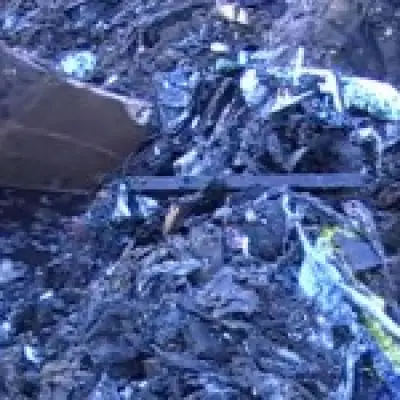
A significant fire at a recycling centre in West London plunged local transport into chaos on Sunday evening, with thick smoke billowing across the area and causing major rail cancellations.
Firefighters Battle Intense Blaze
Sixty firefighters rushed to tackle a serious fire that erupted at a recycling facility on Johnson Street in Southall. The London Fire Brigade was first alerted to the incident at 5.33pm on January 11.
Eight fire engines were dispatched from stations including Southall, Hayes, and Feltham to confront the flames. Crews worked for several hours to bring the blaze, which involved approximately 15 tonnes of mixed recycling materials, under control. The fire was finally subdued by 8.35pm that evening.

Travel Chaos as Smoke Spreads
The fire's most immediate and widespread impact was on the transport network surrounding Southall. The dense plume of smoke led to significant disruptions on key railway lines serving the capital.
The Great Western Main Line was partially closed, forcing operators to cancel and delay services between Reading and London Paddington. This caused considerable inconvenience for passengers travelling into and out of the city during the evening.
Furthermore, the Heathrow Express service, a vital link for air travellers, was also disrupted. Many passengers faced anxious journeys and potential missed flights as their trips to Heathrow Airport were impacted by the ongoing incident.
Investigation and Ongoing Impact
While the flames were brought under control, the repercussions continued into the night. Rail services experienced residual delays and cancellations as operators worked to restore normal schedules following the partial line closure.
A spokesperson for the London Fire Brigade confirmed that the cause of the fire is not yet known and remains under investigation. The scale of the response highlights the severity of the incident, which tied up substantial emergency service resources for over three hours.
The event serves as a stark reminder of how localised industrial incidents can have a rapid and cascading effect on London's complex and interconnected transport infrastructure, affecting thousands of commuters and travellers.