Teddington Residents Intensify Battle to Preserve Historic Allotments
Residents in Teddington have escalated their campaign against plans to transform their neighborhood's last remaining allotments into a graveyard extension. The community has been urging Richmond Council to reconsider its December decision to expand Teddington Cemetery onto the Shacklegate Lane allotments, a move intended to address the growing demand for burial spaces in the borough.
Petition Rejection Fuels Community Resolve
Neighbors have pledged to persist in their fight after the council dismissed their petition in March, which garnered 1,758 signatures. The petition argued that destroying the cherished 120-year-old allotments represents "just a short-term solution to the longer-term problem of burial space" shortages in Richmond. Residents and allotment holders contend that the council has neglected to implement a sustainable long-term burial strategy, such as reusing existing plots, a practice successfully adopted by other authorities including the City of London Corporation.
Historical Context and Broken Promises
While the council initially granted permission for cemetery expansion onto the allotments in 1993, only a portion of the site was taken at that time. It was not until December of last year that formal approval was given to seize the remaining allotments. Residents assert that the council is proceeding despite vastly changed circumstances, notably the climate emergency declared in 2019, which heightens the importance of protecting green spaces like allotments.

They highlight the council's 2018 agreement to introduce a grave reclamation scheme when additional burial space was needed. This scheme, which involves reusing graves at least 75 years old with extra space, could have provided sufficient plots without requiring the complete takeover of the allotments. Eight years later, residents feel the council has been negligent in failing to establish such a program.
Community Impact and Environmental Concerns
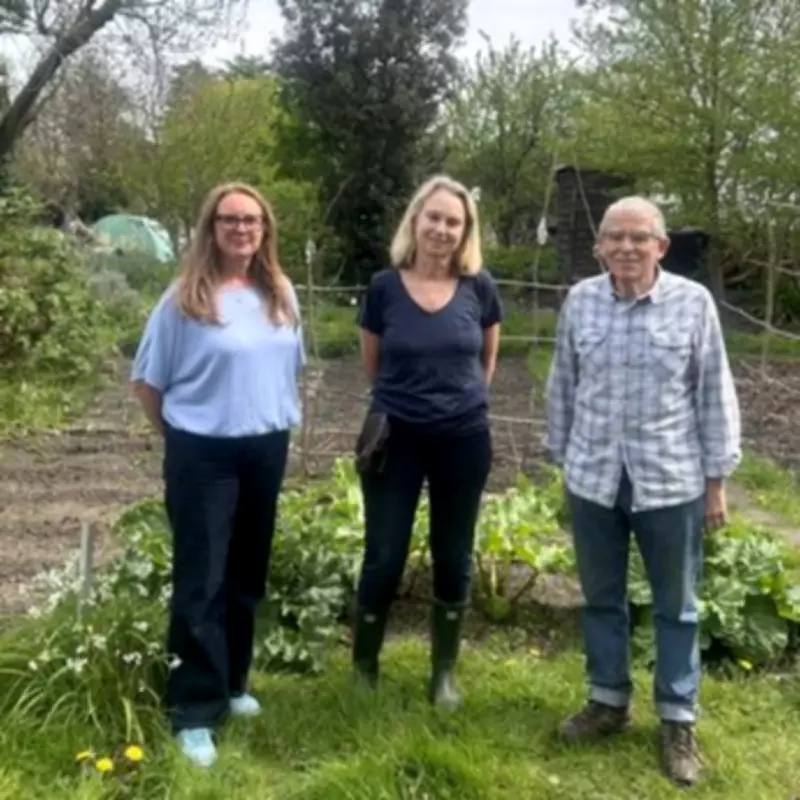
The council had previously considered taking the allotments in sections but is now moving to acquire them entirely, resulting in the permanent loss of this community resource. The expansion is projected to provide over 700 new burial spaces, expected to be exhausted within approximately 30 years. Resident Jane Cowling, 54, expressed frustration, stating, "They have not stuck to their promises... and they’ve actually been quite negligent in handling their responsibilities."
Jane emphasized the allotments' role as a "real green lung in the heart of our community," fostering social connections and outdoor activities for decades. Allotment owners now face displacement to other sites in the borough or may have to abandon allotment gardening altogether if they cannot travel outside Teddington. She lamented, "It seems such a shame... I think they’re prioritising the dead over the living."
Council's Position and Alternative Solutions
Council officers informed the environment committee in March that Teddington has no remaining burial space, with the last plot already sold. They argued that immediate action is necessary to provide new plots while exploring long-term solutions, such as reusing existing burial plots to maximize space. However, this approach is only feasible in the long term.
Resident Candace Taylor, 62, a local primary school teacher, noted the educational value of the allotments, where children learn about food sources and interact with nature. She criticized the council's decision, saying it contradicts pledges to protect allotments and address the climate emergency. "It just doesn’t really match what they said that they would do," she remarked.
Health Benefits and Democratic Process Questioned
Resident Paul Cuff, 79, who has maintained an allotment on the site for 40 years, highlighted the vital role these spaces play in residents' physical and mental health. He condemned the committee's handling of the petition as "just a nod to a democratic process, but nothing else," noting the lack of discussion or vote on the matter.

Paul described overwhelming community support for the campaign, with many believing that sufficient space exists within the existing cemetery through reuse. "The support for the petition was overwhelming… most people felt very strongly about the fact that it was being converted into cemetery use," he said.
Ongoing Campaign and Council Response
Campaigners have launched a website featuring templates for residents to email their local MP and ward councillors, advocating for a review of alternatives and a redesigned cemetery expansion that preserves some or all of the allotments. Candace urged, "We’re not giving up... Once the allotments are gone, they’re gone forever."
A Richmond Council spokesperson acknowledged the allotments' importance to the community but defended the decision as necessary to ensure continued burial space, with the cemetery expected to reach capacity by summer. The spokesperson stated, "Many plot holders understand why this step is now being taken. This will deliver more than 700 new burial spaces, securing burial provision for around 30 years."
The council emphasized that the land has long been designated for cemetery use and that allotment use was temporary. They remain committed to supporting affected plot holders with alternative sites and assistance, while planning to enhance biodiversity and community gardening projects at the cemetery.