For indoor gardeners, rainwater is often considered the ideal hydration source for houseplants, but practical limitations like lack of garden space or water butts make tap water a common alternative. The challenge lies in mitigating the effects of chlorine, a disinfectant added to tap water that can harm sensitive plants such as calatheas, ferns, and carnivorous species, leading to issues like crispy leaf edges and overall poor plant health.
The Overnight Watering Hack Explained
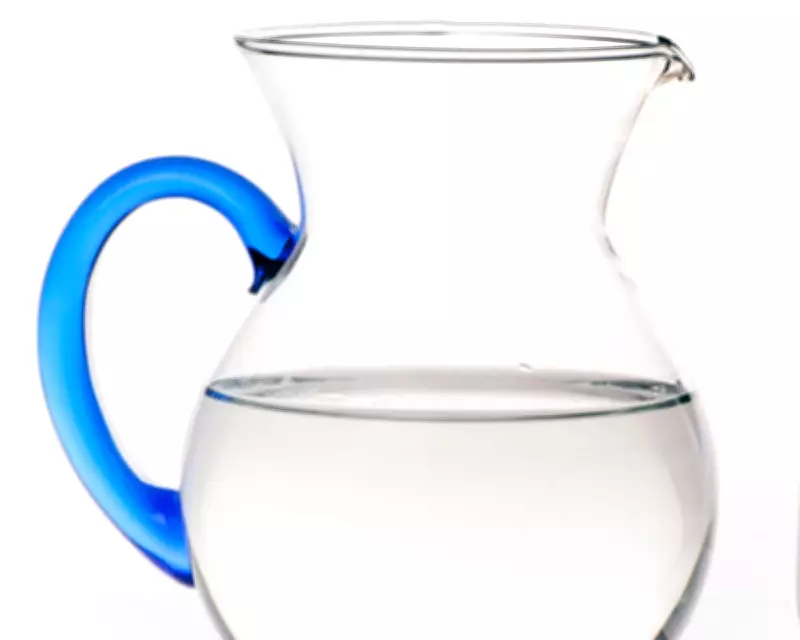
Many plant enthusiasts have long advocated for a simple, cost-free method to improve tap water quality: letting it stand overnight. This practice, widely shared within plant communities, involves filling a wide-mouthed container with tap water and leaving it at room temperature. Over several hours, chlorine naturally evaporates into the air, resulting in softer, more plant-friendly water that requires no special equipment.
How to Implement the Method Effectively
To maximize chlorine dispersal, use a container with a large opening at the top, as this increases surface area and accelerates evaporation. Simply fill it with tap water in the evening, and by morning, the chlorine should have dissipated, making the water safer for watering sensitive houseplants. This approach has shown visible benefits, with reports of calatheas displaying cleaner leaf edges within weeks of switching to overnight-treated water.

Limitations and Regional Considerations
While this hack is effective in areas where chlorine is used, it is important to note that some UK water companies utilize chloramine instead, which does not evaporate easily. If plants continue to show signs of distress, such as crispy edges or spots, despite using overnight water, it may indicate the presence of chloramine. In such cases, checking local water reports is advisable to determine the specific disinfectants used.
Alternative Solutions for Persistent Issues
For regions with chloramine-treated water, alternative methods may be necessary to ensure plant health. Options include using carbon-filter jugs, distilled water, or actively collecting rainwater. These solutions provide more reliable fixes when the overnight method proves insufficient, highlighting the need for tailored approaches based on local water quality.
Overall, letting tap water stand overnight is a proven, accessible hack for reducing chlorine exposure in houseplants, offering a simple way to enhance indoor gardening success without additional costs.