Hounslow Council Pioneers 'Right to Grow' Policy on Public Land
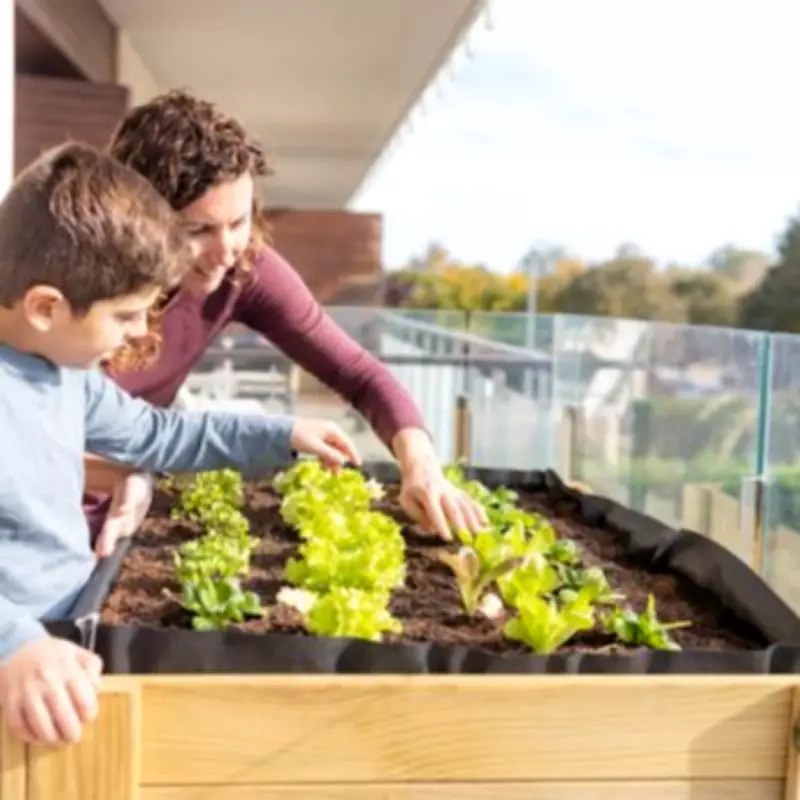
Hounslow Council has launched an innovative initiative that permits residents to cultivate fruit, vegetables, and flowers on underutilized public land. This groundbreaking policy, dubbed Go Forth and Grow for the Future, aims to transform blank patches of grass and neglected spaces into vibrant community gardens, addressing pressing health and social issues in the borough.
Addressing Obesity and Health Concerns
With Hounslow ranking as the fourth highest borough in London for adult obesity—where 61.7% of adults are classified as overweight—the council is taking proactive steps to improve public health. The policy is designed to provide opportunities for residents to grow healthy food while engaging in physical activity, directly targeting rising obesity rates. Additionally, the borough faces severe health challenges, including 23,000 people diagnosed with Type 2 diabetes, making this initiative a critical component of public health strategy.
Celebrity Endorsement and National Call to Action
The policy has garnered support from Emmy-nominated actor Jim Carter OBE, best known for his role in Downton Abbey. As patron of the charity Greenfingers, which creates gardens for children's hospices, Carter praised Hounslow's approach as imaginative and far-sighted. He urged other councils across the country to adopt similar 'right to grow' policies, highlighting the benefits of reconnecting communities with nature and utilizing unloved public land.
Cutting Red Tape for Community Empowerment
Councillor Salman Shaheen, Cabinet Member for Culture, Leisure and Public Spaces, emphasized that the new policy cuts red tape, making it easier for residents to take initiative. Previously, groups faced barriers in obtaining permission to use public land; now, a dedicated council officer will assist with requests, provide tools, and ensure land suitability. Shaheen noted that the pandemic underscored the value of green spaces for physical and mental health, making this policy timely for residents in flats without gardens.
Pilot Schemes and Community Transformations
Before formalizing the policy, Hounslow Council initiated four pilot schemes that demonstrated its potential. For example, a community group in Isleworth transformed an alleyway plagued by antisocial behavior—including drinking, glass smashing, fly-tipping, and graffiti—into a clean, flower-planted area. Other projects include planting donated plants on an overgrown patch by a railway bridge in Brentford and planning a sensory garden on the Ivybridge council estate.
How the Policy Works in Practice
Residents interested in gardening on public land must seek permission from the council, which will be granted in most cases after assessing factors like land contamination or safety. The council has established a clear pathway for requests, with support available to guide applicants through the process. This marks a significant shift from previous practices, where such permissions were typically denied or inaccessible.
Building on Existing Initiatives
This policy expands on Hounslow's existing Grow for the Future program, which was a UK first in converting wasteland and fly-tipping hotspots into allotments, community gardens, and orchards. The new 'right to grow' approach enhances these efforts by empowering residents to steward unmanaged land, fostering civic pride, reducing antisocial behavior, and promoting sustainability and biodiversity education.
By opening up public land for gardening, Hounslow Council aims to create a borough-wide garden where people of all ages can learn about the environment, grow their own food, and build stronger, healthier communities.