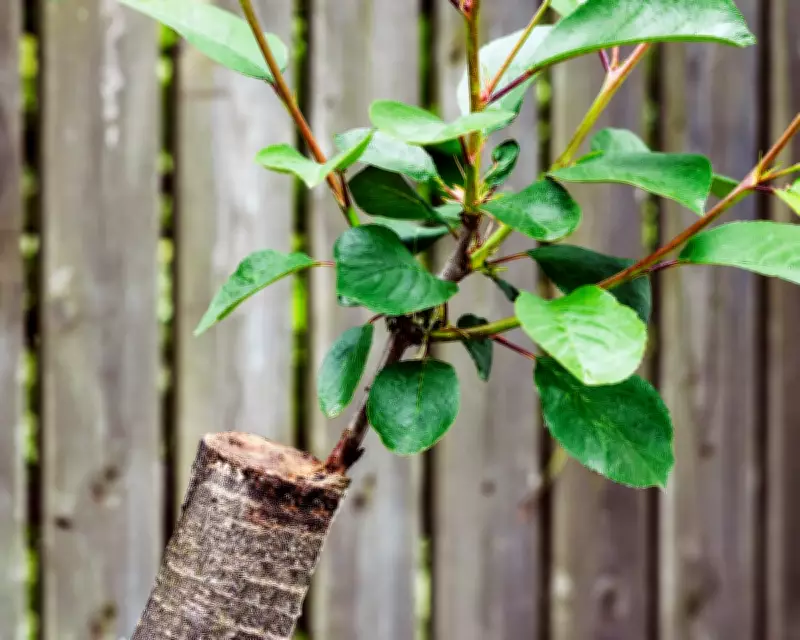
If your garden lacks the space for a full-size fruit tree, a clever horticultural technique might provide the perfect solution. Grafting, the art of joining two plants together to grow as one, is a form of horticultural magic that can transform your outdoor area. This method is not only ideal for creating compact trees but also handy for healing snapped stems, offering a versatile tool for gardeners.
The Science Behind Grafting
Grafting involves combining two different plants from the same species or genus to form a single entity. Commonly used in fruit tree cultivation, this technique explains how a single tree can exhibit diverse characteristics. For instance, a cherry tree might blossom with bright white flowers on one side and warm pink on the other, appearing as one tree while behaving like two spliced together. The resulting plant benefits from the qualities of both original plants, such as grafting a delicious apple variety onto a smaller rootstock to produce desired fruit in a modestly sized garden.
How Grafting Works
The process begins with making clean, precise cuts on the scion, which will form the top part of the tree, and the rootstock, the lower, rooted section. Gardeners must carefully align their cambiums, the inner layer of the stem where growth occurs, before binding them together. Over time, these sections fuse to create a unified tree or plant. While grafting is an advanced technique that few gardeners attempt, understanding its principles is valuable, as it underpins the cultivation of many plants and trees available for purchase.

Practical Applications and Benefits
Beyond creating space-efficient fruit trees, the principle of aligning plant tissue and binding it together has practical uses. For example, if you accidentally snap the stem of a healthy tomato plant, you can use a plant label as a splint and tape it back together. With added support, the stem can fuse within weeks, allowing the plant to produce a harvest. This demonstrates how grafting techniques can rescue damaged plants and enhance garden productivity.
Inspiring Examples of Grafting
For those who master grafting, the possibilities are endless. Artist and professor Sam Van Aken of Syracuse University created The Tree of 40 Fruit, a single tree that bears 40 different stone fruits, including peaches, plums, apricots, nectarines, cherries, and almonds. This innovative approach is ideal for gardeners with limited space who desire variety. By exploring grafting, you can unlock new potential in your garden, making it more fruitful and efficient.
In summary, grafting is a powerful horticultural method that allows you to grow full-size fruit trees in smaller gardens. Whether you're looking to save space, heal plants, or experiment with unique combinations, this technique offers a magical solution for gardeners of all levels.