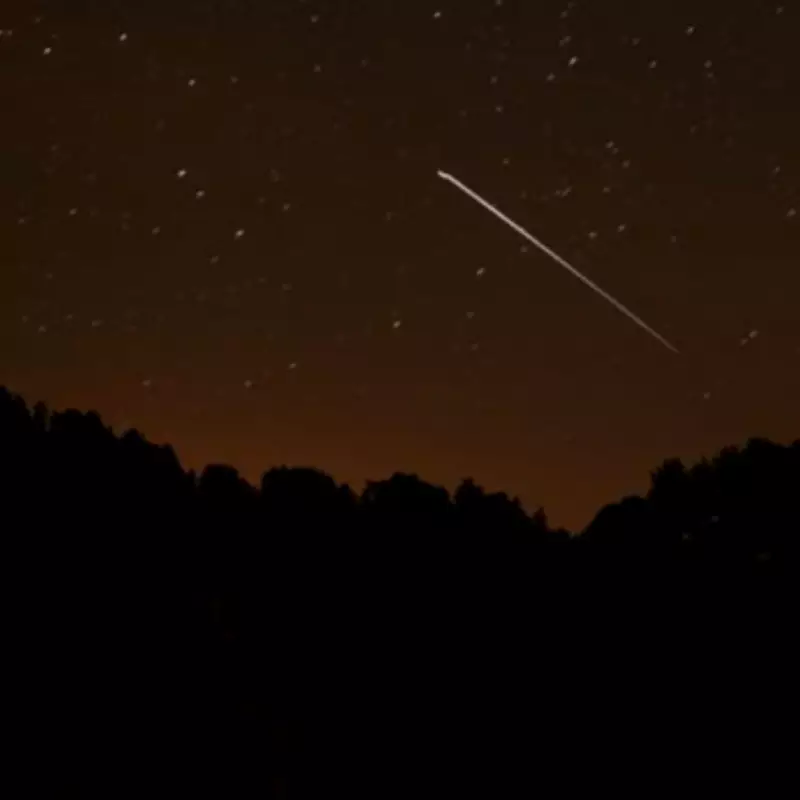
Lyrid Meteor Shower Peaks This Week: A Celestial Spectacle Over London
Londoners have a rare opportunity to witness the Lyrid meteor shower this week, with NASA predicting between 10 and 20 shooting stars per hour during peak activity. This annual celestial event, created by debris from Comet Thatcher burning up in Earth's atmosphere, promises a dazzling display for those who know when and where to look.
What Is the Lyrid Meteor Shower?
The Lyrid meteor shower occurs when Earth passes through the trail of cosmic debris left behind by Comet Thatcher. These tiny meteoroids, often no larger than dust particles, travel at incredible speeds of tens of kilometers per second through space. As they collide with our atmosphere, they burn up, creating the brilliant streaks of light we call shooting stars.
According to NASA, the Northern Hemisphere offers the best viewing conditions for this particular meteor shower, making London an ideal location for observation despite urban challenges.

When to Watch the Celestial Display
The Lyrid meteor shower officially runs from April 16 to April 25, but the peak viewing window occurs early Wednesday morning after 2 AM, once the moon has set. Royal Museums Greenwich confirms this timing provides the darkest skies and therefore the best chance to see the maximum number of meteors.
Dr. Ashley King, a respected meteorite expert and scientist, emphasizes that "patience will be necessary" as viewers' eyes need time to adjust to the darkness. He advises against giving up too quickly, noting that "once you get used to the low light levels you'll begin to notice more and more."
Where to Find the Best Viewing Spots in London
While the meteor shower is visible globally, light pollution significantly impacts viewing quality in urban areas. Dr. King recommends seeking out darker locations for the optimal experience: "The darker the skies, the better your chances of seeing the really faint meteors as well."
For London residents, this means:
- Traveling to coastal areas outside the city
- Finding elevated positions on hills in the countryside
- Avoiding urban centers with significant artificial lighting
- Turning off phones and other light sources once at the viewing location
The expert specifically suggests: "You could go to the coast or stand on a hill in the middle of the countryside somewhere" to escape London's light pollution and maximize your chances of witnessing this astronomical phenomenon.
Remember that meteor showers are best enjoyed with minimal light interference, so finding a truly dark sky location will dramatically improve your viewing experience of this natural spectacle.