London Mayor Sadiq Khan Under Fire as Tube Strikes Paralyze City
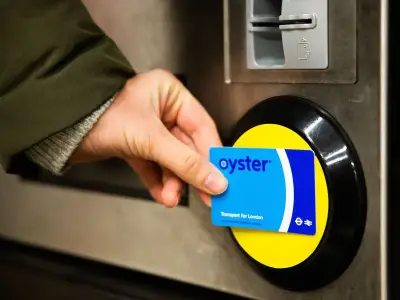
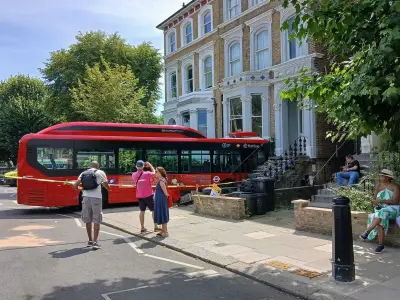
Commuters across London are enduring agonizing journeys this week, with many forced to queue for hours and squeeze into overcrowded alternatives as Tube strikes bring the capital's transport network to a standstill. The disruption comes as members of the RMT union have orchestrated two 24-hour walk-outs, strategically timed to maximize passenger inconvenience during peak travel periods.
Economic Impact and Driver Demands Spark Controversy
According to estimates from the Centre for Economic and Business Research, the previous round of industrial action cost the London economy approximately £230 million in lost business revenue. This latest strike action centers on contract changes that would implement a voluntary four-day working week for drivers, a proposal the RMT claims could cause "fatigue" among staff.
However, this rationale has faced significant criticism from within the transport sector itself. ASLEF, another trade union representing Tube drivers, issued a pointed rebuke, stating: "It's a shame that the RMT leadership has decided to campaign against a proposal that gives drivers an extra 35 days off every year along with a reduction in days and hours at work on a voluntary basis."
The ASLEF statement continued with remarkable candor: "If the RMT are to call a strike on this issue, it will be the first time in history that a trade union has asked its members to strike to stop workers having a shorter working week with more time off for no loss of pay!"
Mayor's Record on Industrial Action Questioned
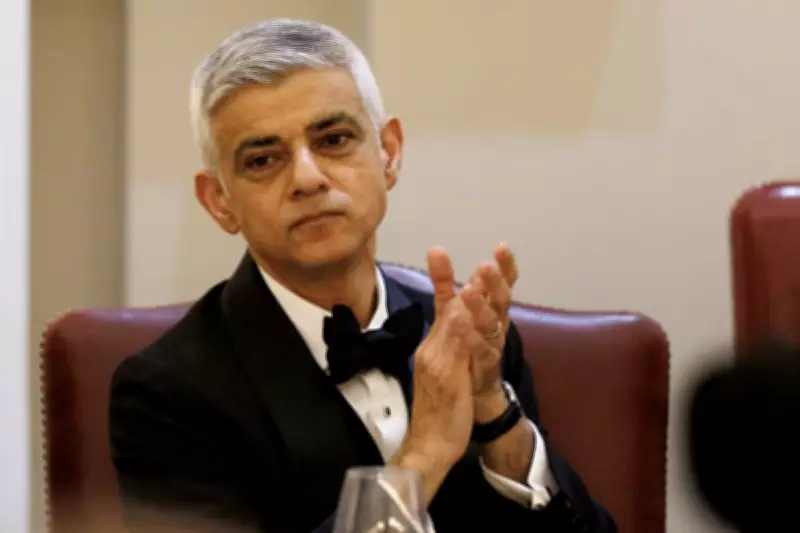
London Mayor Sadiq Khan faces mounting criticism for his handling of transport labor relations. Despite campaign promises of zero strikes under his leadership, Khan has presided over what critics describe as the highest rates of industrial action in Transport for London's history. Since the pandemic, Tube workers have seen their pay increase by approximately 25 percent without corresponding performance improvements or productivity gains.
Political observers note that Khan's approach appears to have been based on the assumption that avoiding confrontation with unions would prevent strikes. However, as Health Secretary Wes Streeting is discovering with the British Medical Association, this strategy often proves ineffective when dealing with determined union leadership willing to disrupt essential services.
Long-term Implications for London Transport
The ongoing strikes may have unintended consequences for transport workers themselves. Each day of disruption increases public frustration and accelerates calls for greater automation across London's transport network. With autonomous vehicle technology advancing rapidly and robotaxis already undergoing testing on city streets, some analysts suggest that persistent industrial action could hasten the push toward automated systems that would reduce reliance on human operators.
Meanwhile, the strikes have prompted many Londoners to explore alternative transportation options. E-bikes in particular have seen increased adoption during disruption periods, offering commuters a clean, efficient, and private alternative to crowded public transport. This shift demonstrates how market forces and technological innovation continue to provide solutions even when traditional systems falter.
The current transport crisis highlights fundamental tensions between union demands, political leadership, and the needs of millions of daily commuters who depend on reliable public transportation to navigate one of the world's busiest cities.