
Sydney's Flood-Prone Senior Housing Plan Tests NSW Government's Development Priorities
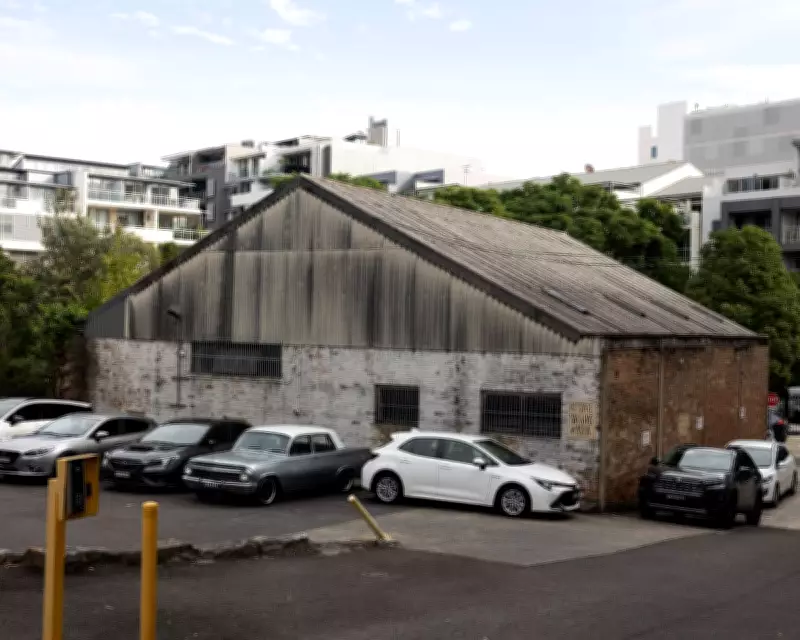
A controversial aged care development proposal in Sydney's inner west has emerged as a critical examination of the New South Wales government's ambitious housing construction agenda. The project, planned for Junction Street in Forest Lodge, includes a 12-bed aged care facility alongside 71 independent living units specifically designed for senior residents.
Environmental Warnings and Government Pressure
Environmental agencies and emergency services have issued stark warnings about the flood-prone location, with the Conservation Programs, Heritage and Regulation group stating the site represents "the most highly flood-constrained location in the area." The NSW State Emergency Services echoed these concerns, noting the development would introduce "significant risk to life" by increasing both population density and vulnerability in an area with limited evacuation options.
The planning minister, Paul Scully, faces a crucial decision on whether to approve the $80 million development under the state significant development pathway. This fast-track approval process allows the government to bypass local council assessments for large-scale projects, with more than 1,000 applications currently awaiting determination across various sectors.
Flood Modeling and Climate Change ConcernsThe site sits in a basin along a tributary of Johnstons Creek, functioning as floodwater storage under normal conditions and transforming into a floodway during extreme weather events. City of Sydney council has raised concerns that the developer is relying on outdated 1987 rainwater modeling rather than current 2019 flood risk guidelines.
Local residents have voiced strong objections, with one describing the area as "one of the lowest parts" of Forest Lodge where storm water flow becomes "ferocious in high rain periods." The resident questioned the wisdom of constructing senior housing in flood-prone zones given climate change predictions of more intense weather events.
Developer's Mitigation Strategies and Agency Opposition
Developer Corio has proposed several mitigation measures, including constructing residences above an elevated car park designed to withstand one-in-20-year flood events. The company's environmental impact statement acknowledges that during heavy rainfall, adjacent roads function as "overland flow paths" directing excess storm water onto the site, creating unsafe conditions with flood depths potentially exceeding 3 meters.
For extreme probable maximum flood events, which the developer describes as having a "1 in 10,000,000 chance" of occurring, Corio proposes a shelter-in-place strategy rather than evacuation. This approach would include stored drinking water, food supplies, personal hygiene facilities, and designated safe areas providing at least 2 square meters per person above maximum flood levels.
However, both environmental and emergency agencies maintain their opposition, arguing the site remains unsuitable for either evacuation or shelter-in-place strategies. The NSW planning department recently organized a meeting between the developer, council representatives, and concerned agencies to address these flooding issues.
Broader Implications for Housing PolicyThe Junction Street decision arrives as the Minns government pursues its commitment to build 377,000 homes across New South Wales by 2029 under the national housing accord. Minister Scully emphasized that all development proposals undergo "full merit-based assessment" and noted the government has strengthened consideration of climate change and natural hazards in the planning system.
This case highlights the tension between urgent housing needs and environmental safety considerations, particularly following the 2022 NSW flood inquiry report that recommended minimizing residential development in flood-prone areas. The outcome may signal how willing the government is to override environmental concerns in its push to accelerate housing construction across the state.



