
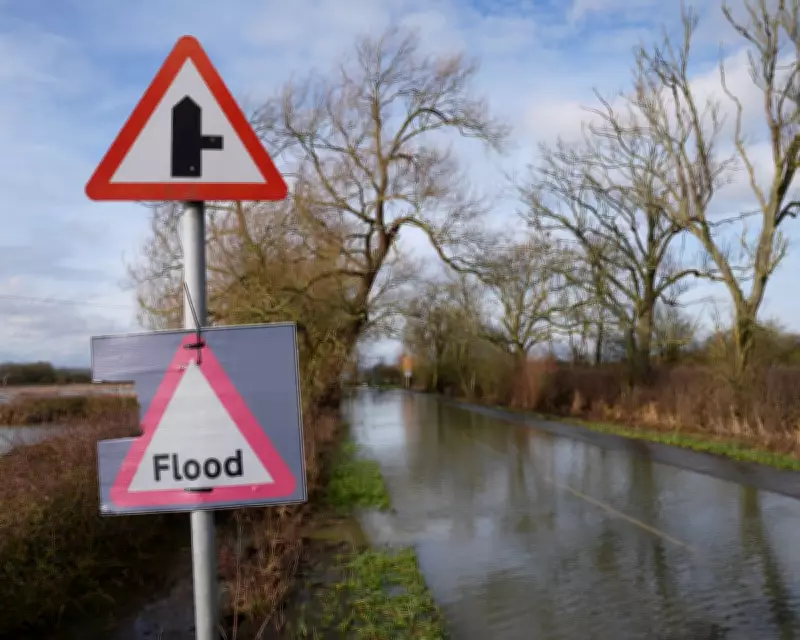
Flood warnings remain active across south-west England and Wales as the UK grapples with a prolonged period of heavy rainfall, highlighting significant concerns about the resilience of national flood defences. With forecasts predicting another fortnight of wet weather, saturated ground conditions are unlikely to improve soon, exacerbating risks for communities and businesses.
Widespread Disruption and Economic Impact
The relentless downpours have caused substantial disruption, from north-east Scotland bracing for more rain to Cornwall, where Storm Goretti forced residents like marketing consultant Sam Kirby to work from car parks due to broadband failures. Goretti was merely the first of three severe storms in January, underscoring the increasing frequency of extreme weather events.
In Somerset, a region still scarred by the 2014 floods that affected over 600 homes, emergency pumps have been deployed alongside permanent installations at Northmoor. However, locals describe a "losing battle" against rising waters, with cereal and vegetable growers anxiously awaiting floodwaters to recede to assess crop damage. The economic toll extends beyond inconvenience, threatening livelihoods and food security.
Environment Agency Review and Funding Challenges
In response to recent extreme weather, the Environment Agency has initiated a review of England's flood management strategy. Environment Secretary Emma Reynolds emphasised efforts to strengthen workforce competence and revise planning frameworks to incorporate flood risks. Yet, years of budget cuts and organisational confusion have eroded confidence in the agency's capacity to lead climate resilience efforts effectively.
While relief workers have earned praise for their dedication, the overall approach is criticised as reactive rather than proactive. This shortfall is particularly alarming given expert warnings that torrential winter rains are arriving 20 years earlier than predicted, driven by warmer air holding more moisture and an unstable jet stream.
Escalating Risks and the "Boiling Frog" Effect
Climate researchers caution against the "boiling frog" effect, where gradual increases in extreme weather events lead to complacency rather than alarm. With 6.3 million properties in England currently at flood risk, projected to rise to 8 million by 2050, the need for sustained investment in climate adaptation is urgent.
Ministers must prioritise robust drainage systems and long-term strategies that extend beyond immediate crisis responses. Clear communication about growing threats is essential to mobilise public and political will, ensuring that flood defence enhancements keep pace with the accelerating impacts of climate change across the United Kingdom.



