
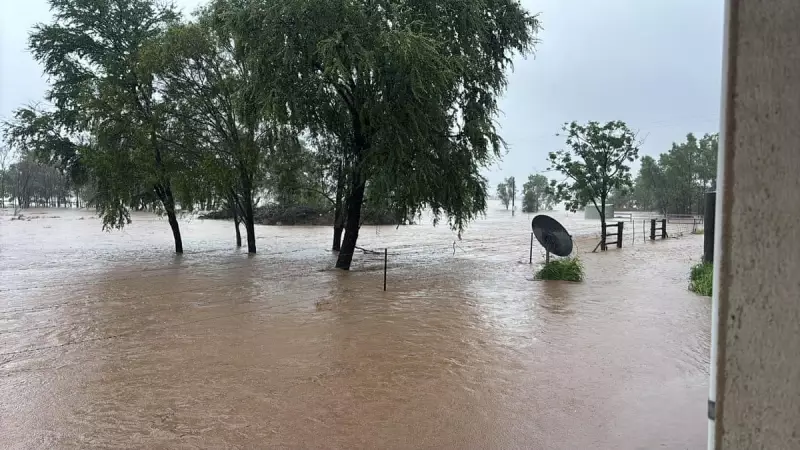
Severe and unrelenting rainfall has unleashed a major flooding crisis across Central Queensland, with officials warning that some remote communities could face isolation for several months. The intense weather system has caused rivers to swell rapidly, inundating towns, severing critical road links, and prompting urgent rescues.
State of Emergency as Rivers Rage
The downpour, which has been battering the region for days, has led to the Fitzroy River reaching major flood levels. In the city of Rockhampton, authorities are preparing for the peak of the floodwaters, which is expected to hit in the coming days. Emergency services have been working tirelessly, conducting numerous flood rescues for residents who became trapped by the fast-rising waters.
The scale of the disaster is significant, with hundreds of people already forced to evacuate their homes. The Premier of Queensland has declared a state of emergency for the affected areas, mobilising additional resources for what is being described as a prolonged recovery operation. The primary concern for disaster coordinators is the extensive damage to infrastructure, particularly the region's road network.
Long-Term Isolation Looms for Remote Towns
A key and alarming facet of this flooding event is the potential for extended isolation. Many smaller, inland communities rely on a limited number of access roads, several of which have been completely washed away or submerged under metres of water. Repair crews cannot even begin assessments until the waters fully recede, a process that could take weeks.
This means towns already cut off may have to rely on air drops for essential supplies like food, medicine, and fodder for livestock for an extended period. Some local officials have indicated that full road access might not be restored for up to three months, creating a massive logistical challenge for supply chains and leaving residents in a state of limbo.
Economic and Agricultural Impact
Beyond the immediate human cost, the floods are delivering a heavy blow to the local economy, which is heavily reliant on agriculture and mining. Vast tracts of farmland are underwater, with cattle stations inundated and crops destroyed. The mining sector is also facing severe disruptions, as key rail lines used for transporting coal have been closed due to the flooding.
The financial toll is expected to run into the hundreds of millions of dollars. Furthermore, the event has reignited discussions about climate resilience and infrastructure planning in flood-prone regions of Australia. Experts note that while flooding is a natural part of the Queensland climate cycle, the intensity and frequency of such extreme weather events are a growing concern.
As the rain finally begins to ease, the focus is shifting from immediate response to the daunting tasks of resupply, damage assessment, and the long road to recovery for the communities of Central Queensland.



