
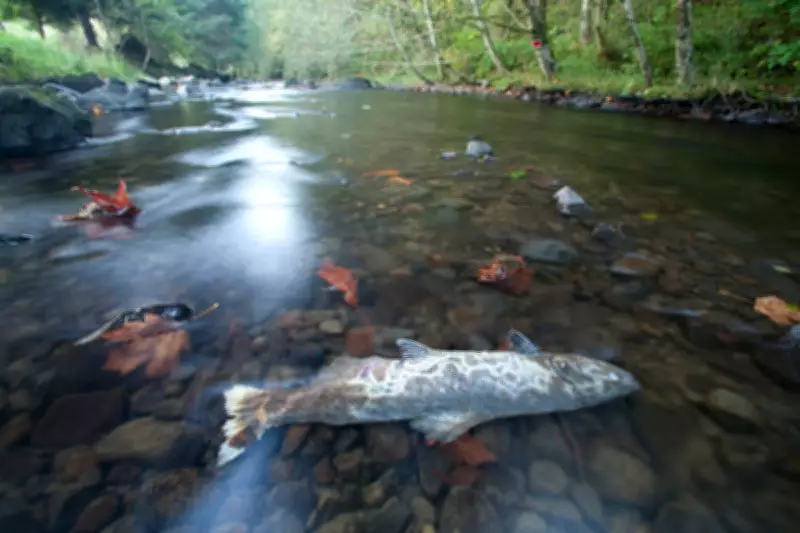
Trump Administration's Salmon Dam Policy Ignites Fierce Debate in Pacific Northwest
The Trump administration has introduced a new policy regarding salmon dams in the states of Oregon and Washington, sparking significant controversy and heated discussions across the region. This move has drawn sharp criticism from environmental groups and conservationists, who argue that the policy could have devastating effects on salmon populations and the broader ecosystem.
Environmental Concerns and Ecological Impacts
Environmentalists are raising alarms about the potential consequences of the administration's approach to salmon dams. They warn that the policy may lead to a severe decline in salmon numbers, which are already under pressure from various factors including habitat loss and climate change. The dams, which are critical for water management and hydroelectric power, are seen as barriers to salmon migration, affecting their ability to spawn and thrive in natural habitats.
Conservation experts emphasize that salmon are a keystone species in the Pacific Northwest, playing a vital role in the food web and supporting local biodiversity. Any policy that compromises their survival could have ripple effects throughout the ecosystem, impacting other wildlife and even human communities that rely on salmon for cultural and economic reasons.
Economic and Community Divisions
The debate over salmon dams is not just about environmental issues; it also highlights deep divisions within local communities. On one side, there are those who support the dams for their economic benefits, such as providing jobs in the energy and agricultural sectors, and ensuring water supply for irrigation and other uses. On the other side, advocates for salmon conservation argue that the long-term health of the environment and sustainable fishing industries should take precedence.
This policy has become a flashpoint in the ongoing tension between economic development and environmental protection in the region. Residents in Oregon and Washington are grappling with how to balance these competing interests, with some calling for more collaborative solutions that address both conservation and economic needs.
Political and Regulatory Context
The Trump administration's stance on salmon dams is part of a broader pattern of environmental policy shifts that have been met with resistance from various stakeholders. Critics accuse the administration of prioritizing industrial and energy interests over ecological safeguards, while supporters argue that the policy is necessary for economic growth and resource management.
As the controversy unfolds, legal challenges and public protests are expected to increase, with environmental groups likely to pursue litigation to block or modify the policy. The outcome could set important precedents for how dam management and salmon conservation are handled in the future, not just in Oregon and Washington, but potentially across the United States.
Looking Ahead: Implications for the Future
The ongoing debate over salmon dams underscores the complex interplay between policy, environment, and community interests. It raises critical questions about how to manage natural resources in a way that supports both ecological sustainability and human well-being.
Moving forward, stakeholders from all sides will need to engage in dialogue and seek compromise to find solutions that protect salmon populations while addressing economic concerns. The situation in Oregon and Washington serves as a reminder of the challenges involved in environmental governance and the importance of inclusive decision-making processes.



