
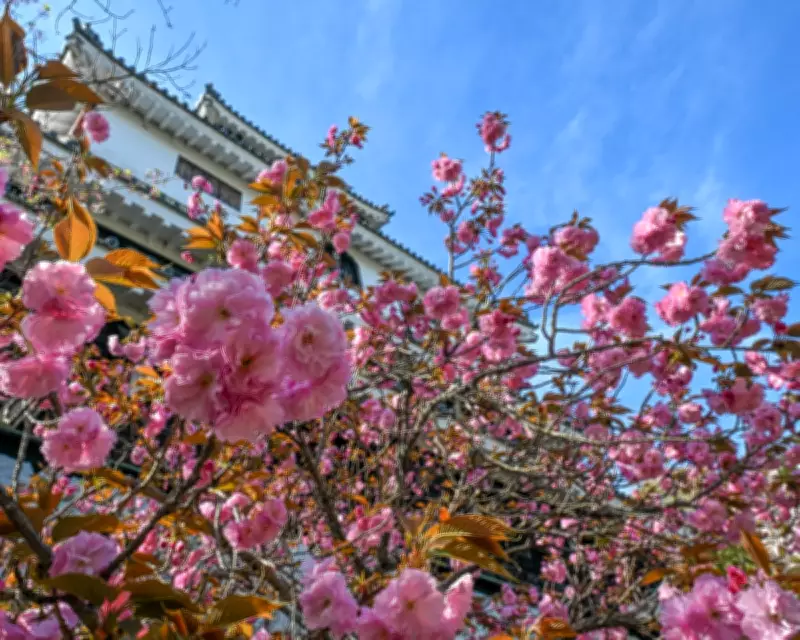
Japan's Cherry Blossoms Bloom Earlier as Climate Crisis Alters Spring's Rhythm
A view of pink double-layered cherry blossoms in full bloom, framing the white-walled tiers of Iwakuni Castle in Iwakuni, Japan, captures a scene that is shifting in time. Photograph: Artur Widak/NurPhoto/Shutterstock. The Guardian view on Japan's cherry blossom highlights how spring is slipping out of sync due to global heating, unsettling nature's rhythms and their deep cultural meaning.
Historical Data Reveals Alarming Trends
A poignant social media post from last April by the late Prof Yasuyuki Aono featured a spreadsheet with a blank row for 2026, symbolizing his unfinished work. Prof Aono dedicated decades to reconstructing cherry blossom flowering dates back to the ninth century, illuminating how this botanical event, long associated with the Japanese concept of mono no aware – a sadness at the passing of things – is being transformed by the climate crisis.
Peak bloom now occurs approximately two weeks earlier than in previous centuries. In the 1820s, full bloom arrived in mid-April, but by 2023, it had shifted to 25 March. This earlier blooming signals warmer springs, with Prof Aono's data serving as a critical warning that Japan's "sakura front" advances sooner each year.
Cultural and Economic Impacts
This change extends beyond mere biological response; it threatens to disrupt the very essence of seasons in Japan. Springtime heralds hanami – weeks of picnics and petals – as blossoms sweep north from Okinawa to Hokkaido in a vibrant display of pink and white.
The timing holds significant aesthetic and economic weight. Japan's tourism industry relies heavily on the cherry blossom season, generating an estimated $9 billion annually. The craze is so intense that a town near Mount Fuji cancelled this year's festivities due to overwhelming visitor numbers seeking "Instagrammable" spots.
Global Patterns and Research Legacy
Prof Aono's research indicated that March temperatures in Kyoto have risen by several degrees since the early 19th century, enough to shift peak bloom by weeks rather than days. His records suggest this century is markedly hotter than previous ones, a pattern not unique to Japan. Since 1921, the US has tracked peak bloom dates for cherry trees gifted by Japan to Washington a century ago, with blooms advancing by about a week in both locations.
Another researcher will now maintain and update these vital records. Prof Aono's meticulous work involved learning classical Japanese script to decipher historical documents, reconstructing centuries of bloom dates. While a millennium of data may seem permanent, it depends on the finite efforts of dedicated individuals.
Historical Significance and Future Risks
The dataset originated from a 1939 effort to compile a chronology, evolving into a seamless 1,200-year record through painstaking archival recovery. By 1956, Japanese meteorologist Hidetoshi Arakawa made a groundbreaking leap, arguing that Kyoto's cherry blossom flowering dates were not just cultural markers but climate records. By the late 1960s, researchers expanded the dataset to analyze long-term trends.
To the Japanese, flowering cherry trees have always been more than plants; their significance is woven into history. The 10th-century masterpiece The Tale of Genji features a chapter on cherry-blossom festivals, and the Meiji restoration later promoted them as symbols of modernity and imperial loyalty. Disputes over the blossom's origin occasionally flare in east Asia, underscoring its cultural stakes.
Earlier blooms due to global heating risk breaking the natural rhythms that give meaning to sakura's fleeting beauty. This shift not only alters ecological patterns but also challenges traditions that have defined Japanese culture for centuries, calling for urgent attention to the broader impacts of climate change.



