
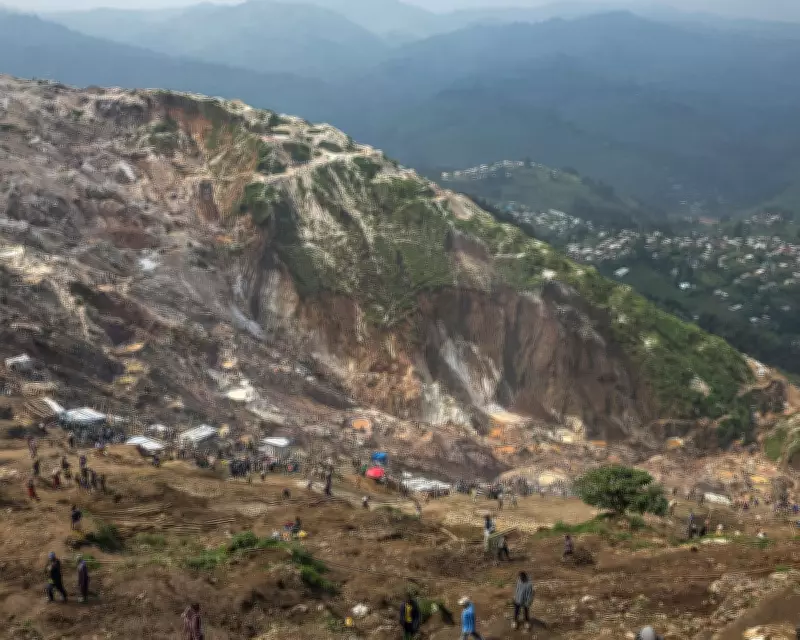
The Scramble for Critical Minerals: A Deadly Race for Green Energy
In the urgent global push towards a greener future, a hidden and often tragic human cost is emerging. As nations and corporations vie for access to critical minerals essential for renewable energy technologies, labourers in mining operations around the world are paying the ultimate price. This scramble, driven by the demand for materials like lithium, cobalt, and rare earth elements, is exposing deep-seated issues of exploitation and neglect in the supply chains that power our transition to sustainability.
The Global Competition for Resources
The race to secure critical minerals has intensified dramatically in recent years, with major powers including the United States, China, and the European Union investing heavily in mining projects and strategic partnerships. These minerals are vital for manufacturing electric vehicle batteries, solar panels, wind turbines, and other key components of green infrastructure. However, this competition often prioritises economic and geopolitical gains over ethical considerations, leading to a focus on rapid extraction at the expense of worker safety and environmental standards.
In many resource-rich regions, particularly in developing countries, mining operations are characterised by hazardous working conditions, inadequate safety protocols, and a lack of regulatory oversight. Labourers, including children in some cases, are subjected to long hours, exposure to toxic substances, and the constant risk of accidents. Reports from sites in Africa, South America, and Asia highlight a pattern of fatalities and injuries that go largely unreported or ignored by international stakeholders.
Human Rights Abuses in the Supply Chain
The human toll of this scramble is stark, with numerous incidents of labourers dying due to collapses, equipment failures, and health-related issues from prolonged exposure to dangerous materials. Beyond the immediate physical dangers, workers often face exploitation, including low wages, forced labour, and limited access to healthcare or legal recourse. These abuses are compounded by weak enforcement of labour laws and corruption in some host countries, allowing unethical practices to persist.
Moreover, indigenous communities and local populations are frequently displaced or suffer environmental degradation from mining activities, further exacerbating social inequalities. The irony is palpable: the very technologies meant to combat climate change and promote a sustainable future are being built on foundations of human suffering and injustice.
Calls for Ethical Sourcing and Transparency
In response to growing awareness of these issues, there are increasing calls for greater transparency and ethical sourcing in the critical minerals supply chain. Advocacy groups, consumers, and some policymakers are urging companies and governments to adopt stricter standards, such as:
- Implementing robust due diligence processes to trace minerals from mine to market.
- Ensuring fair wages and safe working conditions for all labourers.
- Supporting independent monitoring and certification schemes to verify ethical practices.
- Investing in alternative technologies or recycling methods to reduce dependency on new mining.
However, progress has been slow, hindered by the complex nature of global supply chains and the high stakes involved in the green energy transition. Without concerted international action, the scramble for critical minerals risks perpetuating a cycle of exploitation that undermines the moral imperative of sustainability.
Conclusion: Balancing Progress with Humanity
The pursuit of critical minerals is undeniably crucial for achieving global climate goals, but it must not come at the cost of human lives and dignity. As the world accelerates its shift towards renewable energy, it is imperative that stakeholders—from governments and corporations to consumers—prioritise ethical considerations alongside technological advancements. Only by addressing the labour abuses and human rights violations in mining operations can we build a truly sustainable and just future for all.
This issue serves as a stark reminder that the green revolution must be inclusive and humane, ensuring that no one is left behind in the race to save our planet.



