
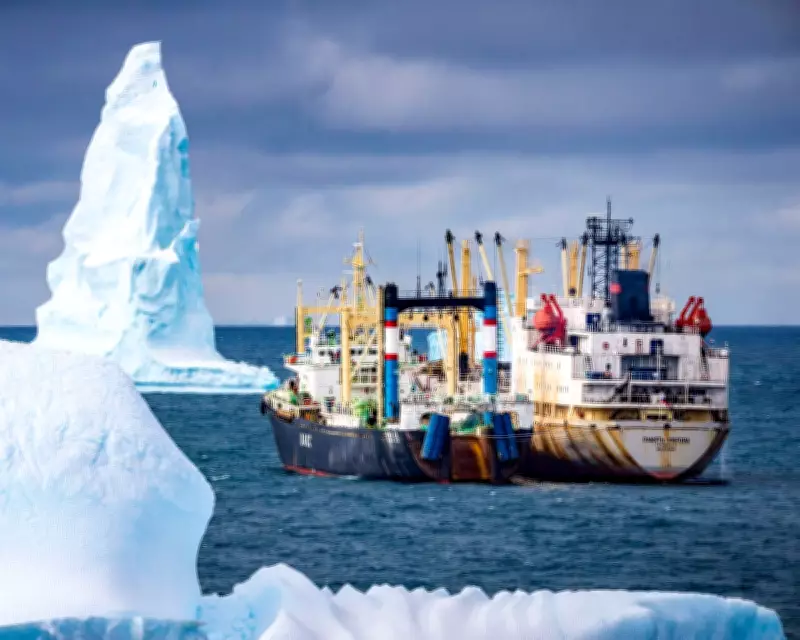
Antarctic Whales Face New Threat from Industrial Krill Harvesting
In the remote waters of the Southern Ocean, a dramatic ecological recovery is unfolding as whale populations, once decimated by commercial whaling, are making a remarkable comeback. However, this resurgence is now under siege from a modern predator: industrial krill trawlers that are encroaching on whales' feeding grounds, competing for the same vital food source and disrupting the fragile Antarctic ecosystem.
The Comeback and the Conflict
Since the ban on commercial whaling in 1986, species like humpback whales have rebounded to near pre-whaling levels, with blue whales showing slower but steady recovery. Researchers near the South Orkney islands have documented breathtaking scenes of super aggregations, with groups of over 100 whales feeding together, reminiscent of historical accounts from early polar explorers. Yet, amidst this revival, a new challenge has emerged. Industrial trawlers, some weighing up to 3,000 metric tonnes, are fishing for Antarctic krill—the cornerstone of the Antarctic food web and primary sustenance for whales, penguins, and seals.
These trawlers grind krill into products like dietary supplements and pet food, extracting nutrients from the ocean and removing them from the ecosystem entirely. In contrast, whales play a crucial role in nutrient recycling; when they consume krill, their waste returns essential nutrients to the water, supporting the broader marine environment. The removal of krill by trawlers not only depletes food stocks but also interrupts this natural cycle, potentially stalling whale recovery and harming other dependent species.
Scientific Concerns and Political Stalemate
Recent scientific expeditions, such as those led by Sea Shepherd and researchers from Stanford University, have highlighted the unsustainable nature of current krill fishing practices. Dr. Matt Savoca, a scientist aboard the vessel Allankay, notes that the South Orkney area may host the highest density of whales globally, raising urgent questions about the impact of industrial extraction. The Commission for the Conservation of Antarctic Marine Living Resources (CCAMLR), established to prevent overexploitation, has faced diplomatic gridlock, with nations like China and Russia blocking key conservation agreements in 2024 and 2025.
This political impasse comes as climate change accelerates, placing additional stress on krill populations. Without effective regulation, the krill fishery risks depleting critical feeding grounds, undermining decades of conservation efforts for whales and other marine life. Researchers Ted Cheeseman and Savoca advocate for immediate action, proposing a 30-kilometer buffer zone around the South Orkney islands where krill fishing would be banned, similar to voluntary measures already in place near penguin colonies.
Pathways to Conservation
Despite the challenges, there is hope for collaborative solutions. Savoca emphasizes that NGOs, scientists, and the fishing industry can work together to implement protective measures where international bodies have failed. By establishing no-fishing zones and promoting sustainable practices, it may be possible to safeguard the Antarctic ecosystem while supporting whale recovery. The ongoing research and advocacy efforts underscore the need for balanced approaches that prioritize long-term ecological health over short-term industrial gains.
As whale populations continue their slow climb back from the brink, the world watches to see if human activity will once again threaten their survival or if proactive conservation can ensure their future in one of Earth's last great wildernesses.



