
Exclusive Analysis Reveals Environmental Catastrophe of US-Israel War on Iran
In a stark revelation, an exclusive analysis shared with the Guardian has uncovered that the US-Israel war on Iran is a profound disaster for the climate, with the conflict generating a staggering 5 million tonnes of greenhouse gas emissions in its first 14 days. This environmental toll is draining the global carbon budget at a rate faster than the combined emissions of 84 countries, highlighting the severe ecological consequences of modern warfare.
Warfare's Carbon Footprint: A Breakdown of Emissions
The analysis, conducted by researchers including Patrick Bigger from the Climate and Community Institute, details how the conflict has turned the Middle East into an environmental sacrifice zone. Key sources of emissions include:
- Destroyed Buildings: Based on reports from the Iranian Red Crescent, approximately 20,000 civilian buildings have been damaged, contributing an estimated 2.4 million tonnes of CO2 equivalent (tCO2e) due to reconstruction and debris.
- Fuel Consumption: US heavy bombers flying from as far as western England consumed between 150 million and 270 million litres of fuel, producing 529,000 tCO2e from aircraft and support vehicles.
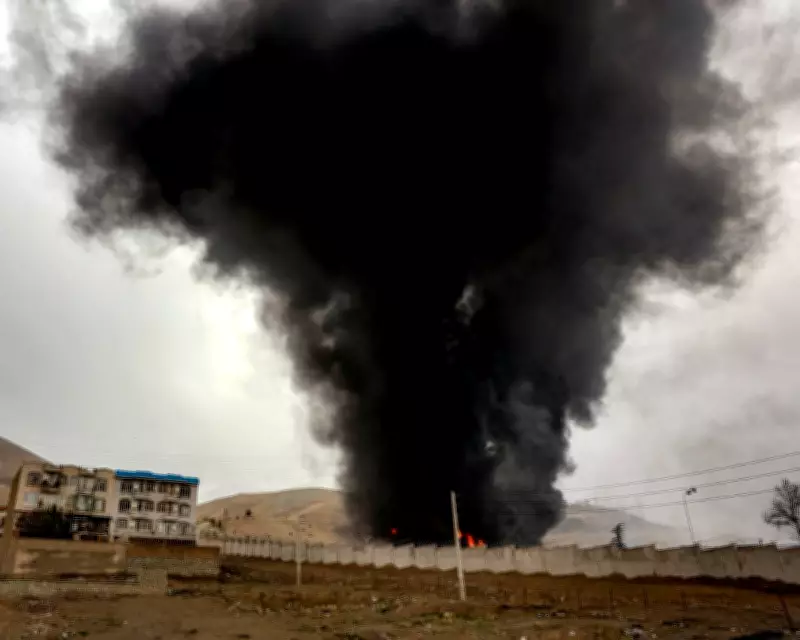
- Oil Fires: Attacks on fuel storage depots, such as those around Tehran, burned between 2.5 million and 5.9 million barrels of oil, emitting 1.88 million tCO2e and causing black rain over the city.
- Military Hardware: Losses including 4 US aircraft, 28 Iranian aircraft, 21 naval vessels, and 300 missile launchers accounted for 172,000 tCO2e in embodied carbon emissions.
- Munitions: With over 6,000 targets bombed and thousands of missiles and drones fired, munitions contributed about 55,000 tCO2e.
Global Climate Implications and Expert Warnings
Fred Otu-Larbi, lead author from the University of Energy and Natural Resources in Ghana, emphasized the alarming rate of emissions, noting that burning up the annual emissions of Iceland in just two weeks is unsustainable. He warned that as oil facilities continue to be targeted, emissions are expected to rise rapidly, exacerbating the climate crisis.
Patrick Bigger added that this war exemplifies how fossil-fueled geopolitics threatens a livable planet. He stated, "Every missile strike is another downpayment on a hotter, more unstable planet, and none of it makes anyone safer." Bigger further cautioned that the disruption to fossil fuel supplies could lead to increased drilling and new infrastructure, hard-wiring carbon dependence for another generation.
Broader Context: Carbon Budget and Future Risks
As of June last year, climate scientists estimated that humans have a remaining carbon budget of 130 billion tonnes of CO2 to have a 50% chance of limiting global warming to 1.5°C. At the current global emission rate of 40 billion tCO2e per year, this budget will be exhausted by 2028. The war's emissions, equivalent to those of a medium-sized economy like Kuwait, accelerate this timeline, posing dire risks for global climate stability.
This analysis underscores the urgent need to address the environmental costs of conflict, as the world grapples with the dual challenges of geopolitical tensions and climate change. The findings serve as a critical reminder that the pursuit of security through warfare often comes at an unsustainable price for the planet.



