
Negotiations for a proposed United Nations tax framework are set to resume in New York this week, with a focus on compelling fossil fuel corporations to contribute to climate-related damages and introducing a global wealth tax targeting the ultra-rich. This initiative, known as the Framework Convention on International Tax Cooperation, represents a significant step toward addressing environmental and economic disparities on a worldwide scale.
Developing Nations Demand Stronger Action
However, developing countries have expressed concerns that the current draft of the proposals lacks sufficient strength. They are advocating for more robust support from wealthier nations to ensure the framework effectively holds polluters accountable. Specific language regarding the taxation of fossil fuel profits has been diluted, and proposals for a global asset registry, which would facilitate the taxation of wealthy individuals, have been omitted from the text.
Jamaica's Stark Warning
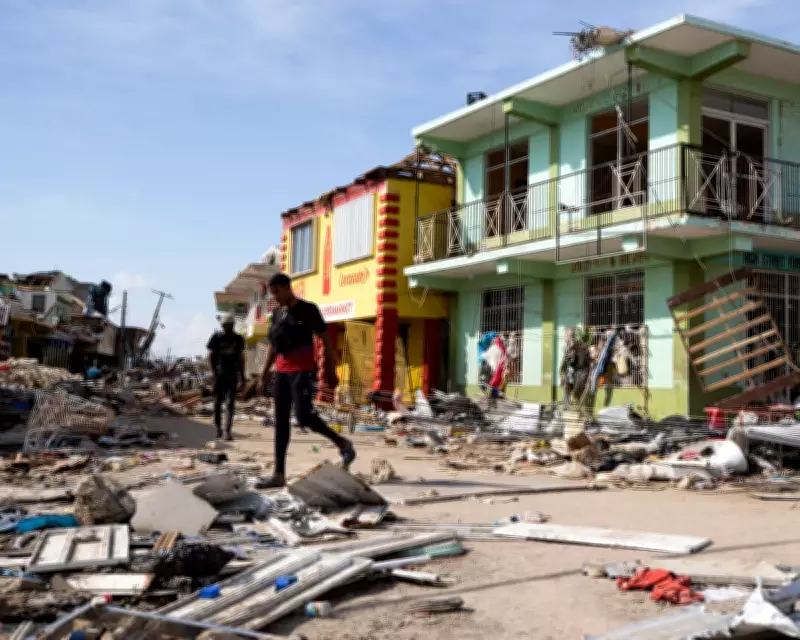
Marlene Nembhard Parker, Jamaica's main delegate at the negotiations, highlighted the urgent need for action by referencing the devastating impact of Hurricane Melissa in October 2025. The storm wreaked havoc in Black River, Jamaica, destroying streets and infrastructure, with Parker noting that it "wiped the equivalent of 40% of our GDP overnight." She emphasised that the draft text must be expanded to clearly link environmental taxation with climate change, ensuring national and international agreements are established, particularly for countries and industries most responsible for emissions.
Parker stressed the urgency of finalising the convention, which could be adopted by the end of next year if details are resolved. "This tax is critical for domestic resource mobilisation so that countries can sustainably rebuild and become resilient to increasingly devastating climate impacts, rather than become more dependent on borrowing and debt," she explained. "There can be no sustainability without dealing with climate change in the way we design our global tax rules."
Challenges and Progress in Negotiations
Progress on the tax treaty, initially proposed by African nations in 2022, has been slow. The United States has withdrawn from the talks, though this does not preclude other countries from advancing the discussions. Some affluent nations argue that tax matters should be handled within the Organisation for Economic Co-operation and Development (OECD), which includes only advanced economies, rather than the UN, where all countries have representation.
Inequality and Climate Justice
If successful, the treaty could mark a major advancement in making fossil fuel producers pay for the damage they cause and ensuring the wealthiest contribute more fairly. Inequality has surged in recent years, with the top 0.001% of the global population—approximately 56,000 individuals—holding three times more wealth than the poorest 50%. Sergio Chapparo Hernandes of the Tax Justice Network (TJN) remarked, "The next round of talks in New York will be a real test: can member states craft international tax rules that are fit for the age of climate catastrophe?"
He added that civil society is pushing for the convention to include a clear mandate for progressive environmental taxation, ensuring polluters pay and richer countries lead efforts to reduce global inequalities and support climate-resilient development in the most affected nations.
Financial Implications and Global Support
According to TJN, countries lose an estimated $492 billion (£359 billion) annually due to tax avoidance by multinational corporations and wealthy individuals using tax havens. Oil and gas companies have reaped hundreds of billions in profits in recent years, particularly following price spikes after Russia's invasion of Ukraine. Research from Eurodad and the Global Alliance for Tax Justice indicates that a 20% surtax on the profits of the 100 largest fossil fuel producers could have generated over $1 trillion in the decade since the 2015 Paris Agreement.
For nations vulnerable to the climate crisis, taxing the industries driving the crisis is essential for achieving climate justice. Tapugao Falefou, Tuvalu's permanent representative to the UN, stated, "The responsibility lies with the world's biggest polluters. The fossil fuel industry and the super-rich continue to increase their wealth while we try to keep our heads above water."
Potential Solutions and UK Stance
While countries can impose taxes on fossil fuel consumption domestically, only those where extractive industries are based can directly charge for exploitation, underscoring the need for a global tax regime. Similarly, many nations hesitate to implement wealth taxes due to fears of driving away the ultra-wealthy, but a coordinated international agreement on minimum wealth taxes could alleviate such concerns. An annual wealth tax of up to 5% on the ultra-rich could raise approximately $1.7 trillion per year.
The United Kingdom, previously viewed as sceptical about the UN's role in tax negotiations, has recently adopted a more positive approach, endorsing the "polluter pays" principle. A Treasury spokesperson confirmed, "The UK has been an active participant in tax negotiations at the UN and remains committed to working constructively to ensure inclusive and effective international tax cooperation."



