
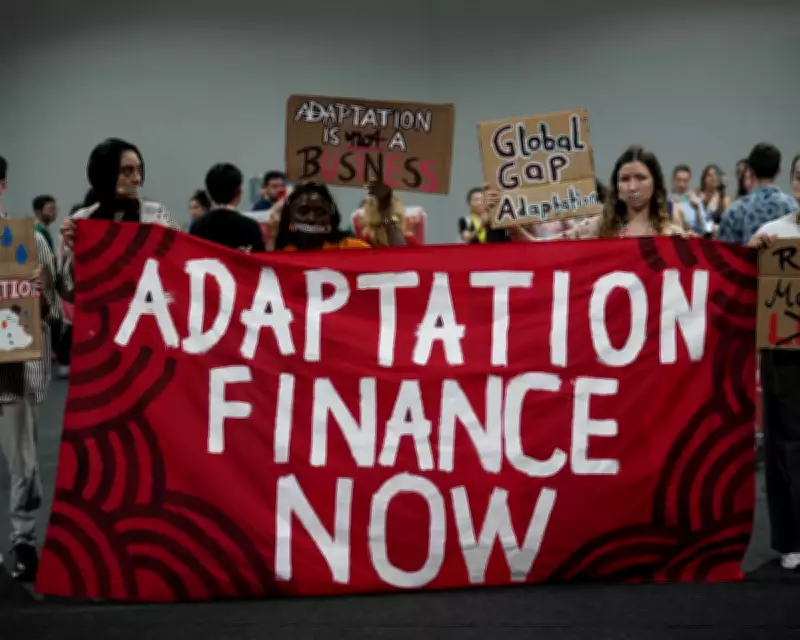
Climate Finance Cuts Spark Outcry as UK Slashes Aid to Vulnerable Nations
The UK government's decision to reduce climate finance to poor countries by a fifth has been met with fierce criticism from advocacy groups, who describe the move as a betrayal of the world's most vulnerable communities. This controversial policy shift comes despite previous promises to increase support for nations grappling with the devastating impacts of climate change.
A Dangerous and Short-Sighted Policy
Jennifer Larbie, head of UK advocacy and campaigns at Christian Aid, has issued a powerful condemnation of the government's approach. In a letter to the Guardian, she emphasised that vulnerable populations are already paying the price for a crisis they did not create, sometimes with their lives. Climate change, she argues, does not respect national borders, and therefore the UK's responsibility to act extends far beyond its own shores.
This reduction in climate aid represents what campaigners describe as a short-sighted and dangerous policy that must be urgently reversed. The protection of both people and the planet depends on sustained international cooperation and financial support, particularly for developing nations that lack the resources to adapt to changing environmental conditions.
Broader Context of International Relations
The climate finance debate emerges alongside other significant international developments. Recent polling indicates that more than 60% of Europeans would be prepared to sever ties with the United States if Donald Trump returns to the White House. One correspondent suggests that this growing antipathy could manifest practically through boycotts of the upcoming World Cup in America.
Meanwhile, cultural commentary continues to reflect societal concerns, with readers expressing weariness over extensive coverage of controversial figures and questioning linguistic evolution in everyday communication. The tradition of letter writing to newspapers remains a vital forum for public discourse on these diverse issues.
The Urgent Need for Climate Justice
Climate finance represents a critical component of global efforts to address environmental challenges. Wealthier nations have historically contributed most significantly to greenhouse gas emissions, while poorer countries often bear the brunt of the consequences through extreme weather events, food insecurity, and displacement.
The UK's reduction in climate aid therefore raises serious questions about international equity and justice. As preparations continue for future climate conferences, including Cop30 scheduled for Belem, Brazil, pressure mounts on governments to honour their commitments and demonstrate genuine leadership in tackling what remains one of humanity's greatest collective challenges.



