
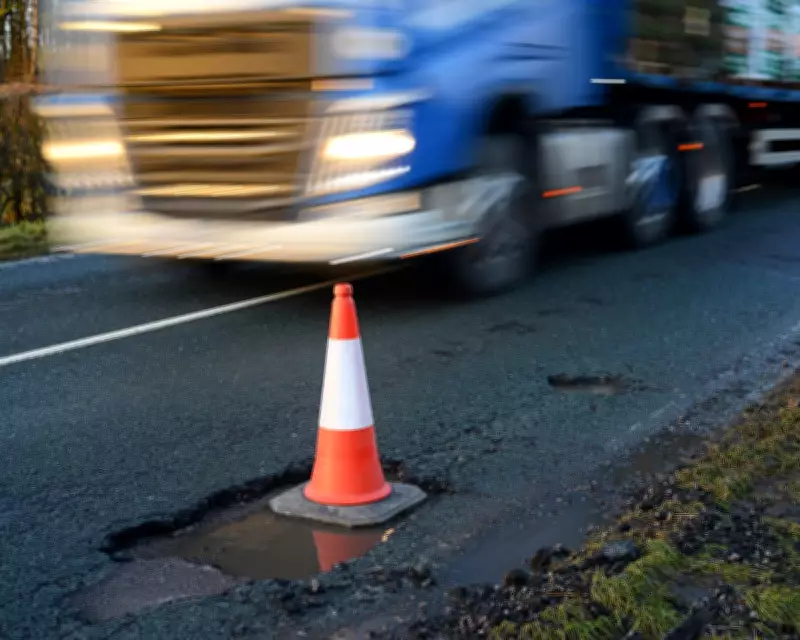
Campaigners are questioning why heavy goods vehicles (HGVs) that cause significant damage to roads continue to receive tax breaks, as the UK grapples with deteriorating road surfaces and growing repair costs. The tax relief, which allows hauliers to claim back fuel duty, has been criticized for subsidizing an industry that contributes to road wear and pollution.
The Cost of Road Damage
HGVs, particularly those with multiple axles, are responsible for a disproportionate amount of road damage. According to studies, a single 40-tonne lorry causes as much wear as thousands of cars. The tax break, worth millions annually, effectively shifts the burden of repairs onto taxpayers and smaller vehicles.
Environmental and Social Concerns
Beyond road damage, HGVs are major contributors to air pollution and carbon emissions. Critics argue that tax breaks should be redirected towards greener alternatives, such as rail freight or electric trucks. The current policy, they say, incentivizes road haulage over more sustainable modes of transport.
The government has defended the tax relief as essential for keeping supply chains moving and controlling consumer prices. However, with pothole-related vehicle damage claims rising and councils struggling to fund repairs, pressure is mounting for reform.
- Road wear: HGVs cause 90% of road damage but pay only a fraction of the repair costs.
- Pollution: Heavy trucks account for a significant share of nitrogen oxide emissions.
- Subsidies: The fuel duty rebate costs the Treasury over £500 million per year.
Transport experts suggest a mileage-based levy or weight-distance charge could better reflect the true cost of HGV operations. Such measures are already in place in countries like Germany and New Zealand. The UK's current system, they argue, is outdated and unfair.
Campaign groups are calling for a review of the tax break as part of the upcoming Budget. They want the savings to be invested in road maintenance and green freight initiatives. Without change, the nation's roads will continue to deteriorate, and the environmental toll will worsen.



