
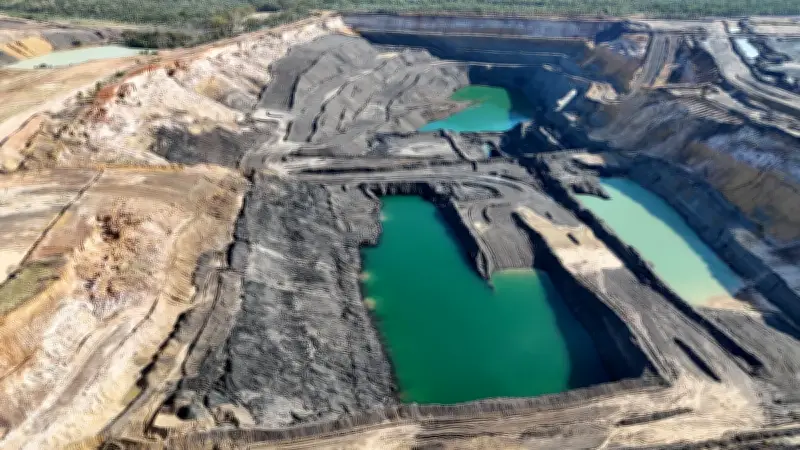
Queenslanders may be forced to cover the cost of cleaning up abandoned mines if rehabilitation laws are weakened, environmental groups warn, as the state government reviews environmental regulations for resources companies.
Review of Financial Provisioning Scheme
Treasurer David Janetzki and Mining Minister Dale Last announced a review of the scheme requiring mining companies to provide surety for remediation and rehabilitation costs when mines close. Last said the review aims to ensure the scheme remains "fit for purpose" and supports "responsible resources development across Queensland without constraining investment."
"The financial provisioning scheme has been one of the top three issues smaller mining companies and explorers continue to raise with me," Last said. "Queensland has an enormous opportunity to become a global leader in critical minerals and the Crisafulli government is committed to cutting red tape to unlock the next wave of investment."
Concerns Over Weakened Oversight
Janetzki stated the review would "get the balance right between the highest environmental standards for rehabilitation and remediation" and "the right investment settings for junior miners and explorers to make a contribution to mining activity." However, Lock the Gate Alliance's central Queensland coordinator Claire Gronow warned that smaller miners are most at risk of "walking away and leaving an un-rehabilitated mine site."
Gronow noted environmental campaigners and primary producers already have "big concerns" about the trend of "selling down," where larger miners exit coalmines by offloading them to smaller companies rather than closing and rehabilitating them. These smaller firms, often holding a portfolio of coalmines and sometimes foreign owned, are particularly exposed to industry fluctuations.
"You are not going to be able to get the money out of them after they walk away," Gronow said. "They can put a mine into care and maintenance and then the company just disappears into a puff of smoke."
Impact on Taxpayers and Landowners
Gronow argued that while a rehabilitation bond might be "off putting" for smaller miners, if a company cannot provide financial security to cover cleanup costs, "should it really be in the business?" Without adequate bonds, mining companies could "take the profit and disappear," leaving ordinary Queenslanders to bear the legacy of contaminated waterways and damage to the Great Barrier Reef for generations.
Trish Goodwin, a cattle farmer near Bluff in central Queensland, has most of the 1,100 ha open-cut Bluff coalmine on her property. Created before current rehabilitation regulations, the mine was mothballed in late 2023 after its owner went into receivership. Goodwin is still seeking answers about unmet obligations for destruction of her land and assets, including road access and communication lines.
"In my case, well who is gonna pay for that?" she said. "This mine keeps going into receivership, more times than I have bacon and eggs for breakfast."
Industry Perspective
The Queensland Resources Council's chief executive Janette Hewson welcomed the review, stating the mining industry is looking forward to working with the government. "The QRC welcomes the Queensland government's review of the financial provisioning scheme which in its current form is an impediment to new investment in the resources sector," she said.
The amount of un-rehabilitated mined land in Queensland grew 12% from 2019 to 2024, now covering more than 223,684 ha.



