
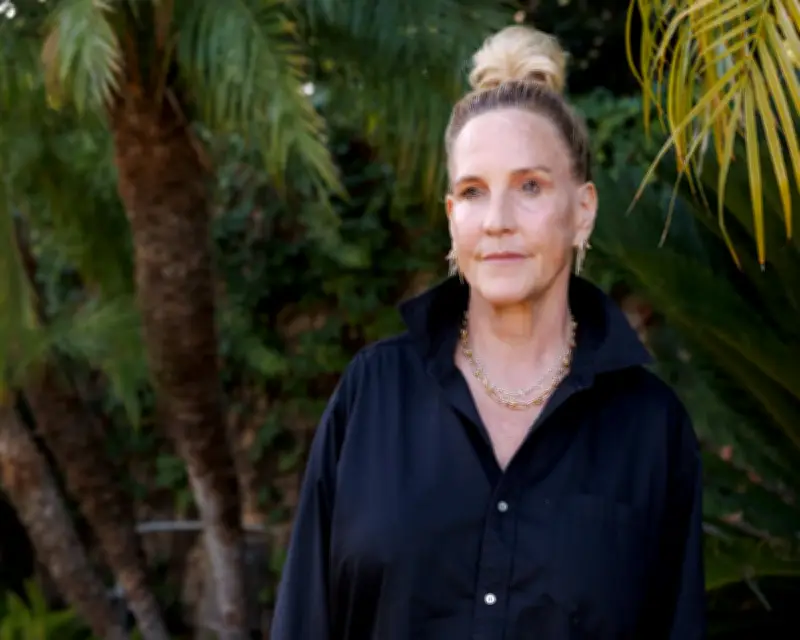
Erin Brockovich, the environmental activist who secured a $333m settlement against Pacific Gas and Electric Company (PG&E) in 1993 over contaminated water in Hinkley, California, has turned her attention to a new global threat: AI datacentres. In April, she issued a callout on her website for people with concerns about datacentres near them. Within a month, 3,862 people had responded. “This feels like Hinkley on steroids,” she says.
Massive Structures in Secret
Brockovich explains that while technology companies have always needed datacentres, the new ones built to power AI are unprecedented in scale. “These datacentres stretch over hundreds and hundreds of acres,” she says. In May, Utah approved a centre twice the size of Manhattan. Many communities learn about these projects only after approval, or not at all. “People watch nature because they respect it, they need it. And they’re watching it being destroyed,” Brockovich adds.
From the emails, Brockovich built an open-source map of significant AI datacentres in the US. As of 24 June, 33 are operational, 68 under construction, and 41 proposed. There have been 7,005 reports submitted through her online form. “If data centers are so great, why are they being built in secret?” she asks on her Substack blog.
Water Crisis and Community Impact
According to analysis by the Guardian, two-thirds of planned datacentres in the US are in drought-stricken areas. Larger centres need up to 5m gallons of water daily for cooling, equivalent to the usage of 50,000 people. Residents report bill spikes; one email Brockovich read said a monthly water bill rose from $22 to over $350. “People are asking: ‘What will happen to us?’” she says.
Brockovich notes that datacentre developers often enter nondisclosure agreements with local officials, bypassing environmental-impact assessments and public input. “I am getting reports from people where their local leaders are changing zoning laws for this to happen,” she says. Councils that try to pause projects face lawsuits for $100m or more, forcing them to back down.
Noise and Health Concerns
Residents report constant noise from generators. “It’s humming, it’s hissing, it’s buzzing,” Brockovich says. “It’s increased electric bills. It’s power surges.” Wildlife disappears; dead animals are seen. Some communities learn about a centre months after approval; others watch as vast buildings emerge without warning.
Bipartisan Opposition and Moratoriums
Brockovich stresses that opposition to datacentres is bipartisan. Seventy-nine municipalities in the US have issued moratoriums, many facing lawsuits. Pauses have been introduced in Georgia, Maryland, Michigan, and South Carolina, though one in Maine was vetoed. “We have to have some courage to show up, and it’s difficult when you’re up against forces that have all the money and all the intelligence in the world,” she says.
Her approach is to build lawsuits from the ground up, requesting environmental-impact reports and town hall meetings. “Lawsuits aren’t settling for $333m any more; they’re settling for billions,” she notes.
Global Reach
Brockovich’s datacentre work extends beyond the US; she has been contacted by people in Australia, India, Scotland, and Ireland. Dublin already has a moratorium on new datacentres, as by 2023 they accounted for a fifth of Ireland’s electricity usage. “This is a planetary thing,” she says.
At 66, Brockovich considers this her legacy phase. “I’m getting too old for this,” she says, but she won’t walk away until it’s over. “We have to have some courage to show up.”



