
Europe's Energy Dilemma: Soaring Fuel Prices Fuel Attacks on Climate Policies
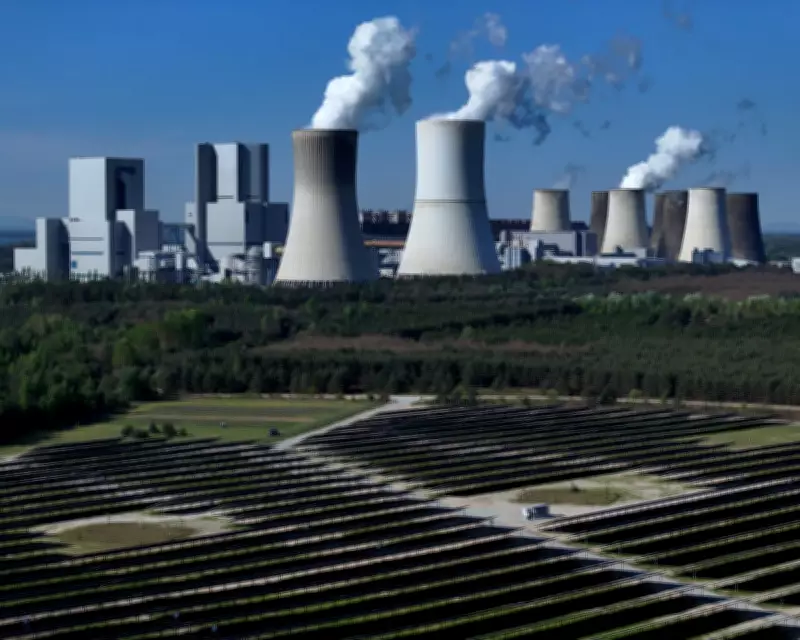
In the shadow of Germany's Boxberg coal-fired power plant, a newly inaugurated solar energy park in Nochten represents the continent's energy transition paradox. While renewable installations grow, Europe faces renewed pressure to backtrack on climate commitments as geopolitical conflicts send fuel prices skyrocketing.
The Fuel Price Crisis and Lobbying Onslaught
Fuel prices have reached ruinous levels across Europe following the Iran war, which left oil and liquefied natural gas shipments stranded in the Gulf. Although Asia faces the most acute pain, European markets are already experiencing panic, with Shell warning last week that shortages could hit the continent this month. Former US President Donald Trump's recent comments about energy independence sent prices to their highest level since the US-Israel attack on Iran began.
Despite this crisis creating what should be ideal conditions for accelerating the renewable transition, lobbyists are instead using high energy prices as ammunition to attack Europe's carbon pricing mechanism. The bloc's flagship climate policy faces renewed claims that it threatens factories and jobs, while incoming methane standards have also come under fire.
Europe's Preparedness and Political Backsliding
Europe enters this energy crisis on steadier ground than during the 2022 shock triggered by Russia's invasion of Ukraine. Wind and solar power overtook fossil fuels in EU electricity generation last year, thanks to streamlined permitting processes. Clean energy costs continue falling, making solar panels, electric vehicles, heat pumps, and batteries more accessible to households.
Yet political winds have shifted dramatically. EU officials and national leaders have begun unwinding key Green Deal components, with the European Parliament's dominant center-right group prioritizing near-term "competitiveness" over pollution costs. This political retreat responds to right-wing populist attacks on climate policy and industry complaints about green regulations.
Germany's Leadership Vacuum and Policy Retreat
The political mood shift is most evident in Germany, Europe's largest polluter. The country is watering down laws to phase out gas boilers implemented after the Ukraine invasion. Last week, Germany's economy minister told oil and gas executives that the EU should relax its net-zero target. Even implementing a universal speed limit on motorways remains politically taboo, while International Energy Agency recommendations for radical conservation measures have been ignored.
Perhaps most concerning are attacks on the EU Emissions Trading System, which puts a price on carbon pollution. Several member states and the powerful chemical lobby targeted the system before the current crisis. Last Wednesday, EU officials announced plans to weaken carbon pricing by ending automatic cancellation of extra permits in a buffer pool, a move green groups warn could lead to significantly higher emissions after 2030.
International Pressures and Missed Opportunities
Foreign pressure compounds Europe's challenges. Last week, Members of the European Parliament approved a trade deal with the US linked to Trump's demand for Europe to purchase $750 billion in American energy—mostly fossil-based—over three years. While lawmakers cannot mandate such purchases, the deal alarms campaigners concerned about signals sent to a country already using energy as a geopolitical weapon.
The current response contrasts sharply with Europe's innovative transformations during the 1973 oil crisis, when countries developed Dutch bicycle infrastructure, Danish wind farms, French nuclear plants, and Nordic district heating systems. Today, despite greater climate imperatives, political imagination appears diminished.
Democratic Erosion Across the Continent
Parallel to energy policy challenges, democratic institutions face threats across Europe. Hungary's upcoming election could end Viktor Orbán's premiership, during which liberal democratic institutions have been systematically hollowed out. Even if Orbán loses, similar forces threaten democracy in Italy, Croatia, Bulgaria, and Slovakia—all identified as "consistently and intentionally" eroding the rule of law.
Chilling signs indicate Orbán's media playbook is spreading. Italy uses defamation suits against journalists, France faces accusations of ideological attacks on public broadcasting, and Germany's far-right Alternative für Deutschland targets public broadcasters. These developments underscore how energy policy debates occur within broader democratic challenges.
Europe stands at a critical crossroads where short-term energy price pressures threaten to undermine long-term climate commitments, while democratic backsliding creates additional obstacles to coherent policy responses. The continent's ability to navigate these intertwined crises will determine both its energy future and democratic resilience.



