
Europe's Clean Power Boom Fails to Shield Households from Energy Price Shocks
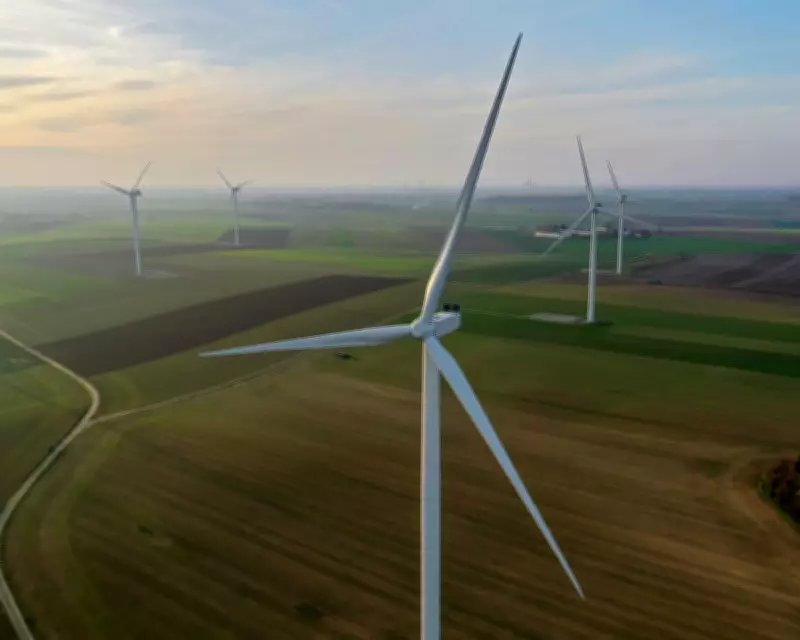
The European Union has achieved what industry leaders describe as "staggering progress" in renewable energy generation, yet this remarkable advancement is being severely undermined by the bloc's failure to electrify everyday household and transportation systems. According to Adrian Hiel, director of the Electrification Alliance, while Europe has "radically transformed" its power supply through massive investments in solar panels and wind turbines, it remains dangerously dependent on fossil fuels due to slow adoption of electric alternatives.
The Electrification Gap Exposes Households to Soaring Bills
The EU's reluctance to phase out petrol-powered vehicles and gas boilers has left millions of households exposed to volatile energy markets, particularly as the US-Israel war on Iran has triggered global oil and gas price spikes. This crisis comes just four years after Europe's last major energy shock, highlighting the persistent vulnerability of European consumers to geopolitical disruptions in fuel markets.
"Act one was cleaning up our power supply," explained Hiel. "Act two is getting that clean European electricity into buildings, industry and transport. It's a completely different challenge that we haven't really faced off with yet."
The International Energy Agency recently emphasized that accelerating the transition to electric cars and heat pumps would complement emergency fuel-saving measures to mitigate price shocks. Despite adding nearly sufficient renewable capacity annually to meet green targets, Europe's electrification of end-use applications lags dangerously behind.
Taxation Policies Hinder the Green Transition
One of the most significant barriers identified by industry experts is Europe's outdated energy taxation system. Historically, electricity was taxed heavily when generated primarily from coal—a policy that made sense when power production was "dirty and bad for your health," according to Hiel. However, with clean electricity now representing the "healthy option," these tax structures have become counterproductive.
"Thirty years ago, our electricity was coal-fired and dirty and bad for your health – it made sense to treat it like alcohol and tobacco," Hiel noted. "But now it's the healthy option. We need to tax it like a fresh apple."
European Commission President Ursula von der Leyen has acknowledged this disparity, pledging to ensure "electricity is taxed less than fossil fuels" through regulatory mandates for lower rates. This policy shift recognizes that current tax structures threaten both clean air objectives and energy security goals.
Geopolitical Crises Amplify Energy Vulnerabilities
The strategic importance of accelerating electrification has been magnified by recent Middle Eastern conflicts. The US-Israel war on Iran, which began in late February, prompted retaliatory strikes that closed the Strait of Hormuz—a critical passage for 20% of global oil and seaborne gas. Subsequent attacks on major refineries throughout the region, including facilities in Qatar (a key supplier of Europe's liquefied natural gas), have analysts warning that high fuel prices may persist regardless of conflict resolution.
"Gas is going to get rather expensive as we outbid Asia for it, and it is likely to stay expensive for the next several years," Hiel predicted. "That is going to put a lot of pressure on governments to help households pay their bills, which could make it more difficult for them to spend money on helping people electrify their homes."
Technological Advances Make Electrification More Accessible
Despite these challenges, falling clean technology costs have made transitioning away from fossil fuels more economically viable than during previous crises. Hiel personally exemplifies this shift: after committing in 2015 to eliminate "direct combustion of fossil fuels" from his life within a decade, he recently insulated his home, installed a heat pump, and added solar panels.
The combination of energy savings, favorable mortgage rates, and available grants means he's now "basically completely insulated" from energy price volatility. "In 2015, it was going to be a real sacrifice – the costs were enormous and it was never going to pay back – whereas now it's completely different," he observed. "It's not going to cost me a cent overall."
Industry Coalition Calls for Accelerated Action
The Electrification Alliance—comprising industry associations including SolarPower Europe, the International Copper Association Europe, and climate thinktank Transport & Environment—has intensified calls for faster transition to a decarbonized electricity economy. They argue that Europe's "panicky" response to the previous energy crisis inadvertently spurred renewable expansion that better prepared the continent for current challenges, but that similar urgency must now apply to electrification of end-use applications.
As Europe navigates overlapping energy security, climate, and economic challenges, the disconnect between clean power generation and fossil fuel-dependent consumption patterns represents one of the continent's most pressing policy dilemmas. The solution, according to industry leaders, lies not just in producing more clean electricity, but in ensuring it powers the vehicles, heating systems, and industrial processes that currently keep Europe hooked on imported fuels.



