
Eel Fisher Takes Legal Action Over Lough Neagh's Ecological Collapse
Declan Conlon, a generational eel fisher from Northern Ireland, is bringing a judicial review against the Department of Agriculture, Environment and Rural Affairs (Daera) at the High Court in Belfast. He contends that authorities have permitted the ecological collapse of Lough Neagh, the UK's largest lake by surface area, by failing to address severe pollution issues.
The Environmental Crisis at Lough Neagh
Lough Neagh, a globally significant and internationally protected site located in the heart of Northern Ireland, is experiencing an acute environmental disaster. The lake is overloaded with phosphorus and nitrogen from multiple sources, including agricultural runoff, fertilizers, animal waste, inadequate wastewater treatment facilities, and septic tank leakage.
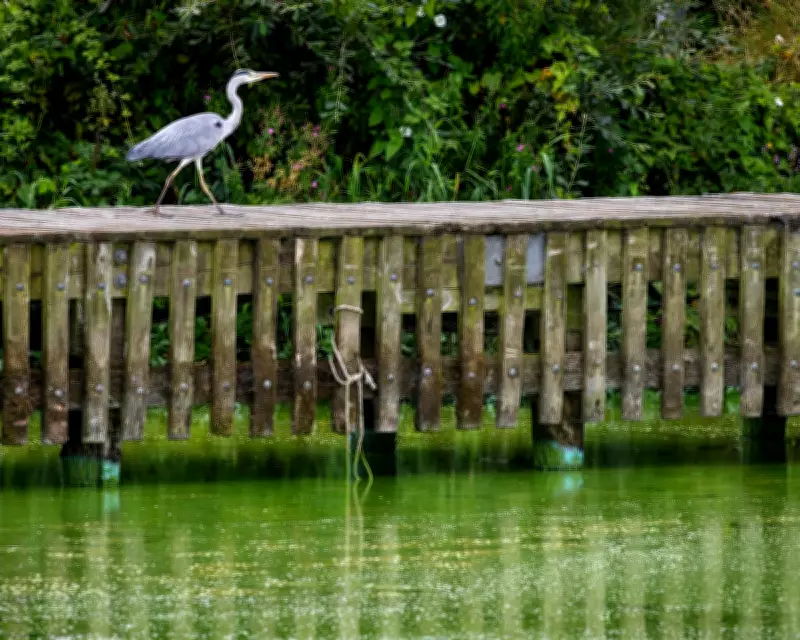
The once clear, light brown waters have transformed into a green hue due to recurrent algal blooms. These blooms deplete oxygen levels in the water, suffocating aquatic life and creating toxic conditions. According to Friends of the Earth Northern Ireland, toxins from the algae have resulted in the deaths of swans, fish, and even pet dogs.
Impact on Livelihood and Ecology
The ecological damage has had devastating consequences:
- Eel fishing, which supported Europe's largest wild eel fishery, was suspended in 2025
- Tourists have abandoned what should be a freshwater haven for ecological diversity
- Salmon and eel populations have dramatically declined
- The lake's entire ecosystem is under threat
Conlon's livelihood has been profoundly affected by this crisis. He argues that authorities have continued to rely on inadequate plans and unenforced pollution regimes despite clear evidence of the lake's deterioration.
The Legal Challenge and Community Support
"My way of life has been destroyed by the blue-green algae," Conlon stated. "I want Daera to do whatever is necessary to stop the algae and safeguard Lough Neagh for future generations. This isn't just about my livelihood – it's about justice for the lough before there's nothing left."
Enda McGarrity, director at PA Duffy & Co representing Conlon, emphasized the case reflects the lived experience of those dependent on the lake's health. "Where there was once abundance, there are now no flies for the eels to feed on, barely any birds, and stretches of water that smell so foul you cannot stand near them," McGarrity explained.
Friends of the Earth Northern Ireland and River Action are seeking to intervene in the case, which is being heard on Tuesday. More than 50,000 people have supported FoE NI's plan to save the lake, including proposals to bring it back into community ownership.
Calls for Action and Official Response
Emma Dearnaley, River Action's head of legal, stated the case raises urgent questions about whether sufficient measures are being taken to address the pollution driving Lough Neagh's decline. "For too long, decision-makers have relied on plans and promises while pollution has continued, and Lough Neagh has visibly deteriorated," Dearnaley said. "We hope this case will help bring about the clear, enforceable action needed to reduce pollution and restore this vital ecosystem."
A Daera spokesperson responded: "Proceedings have now been issued in the matter and it would therefore be inappropriate to comment on the issues before the court."
The case represents a significant legal challenge to environmental protection failures in Northern Ireland, with potential implications for how pollution crises are addressed across the UK's protected waterways.



