
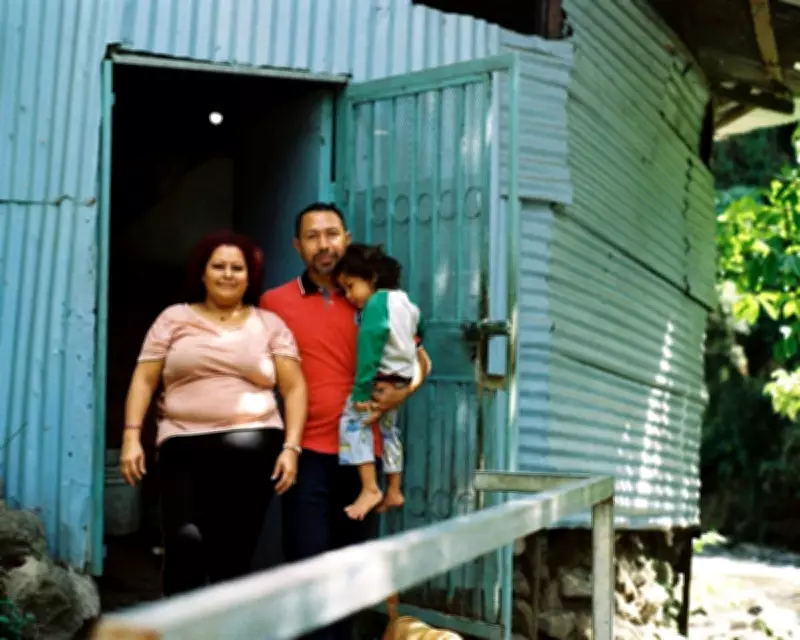
Emilio Peña Delgado is leading a heartfelt campaign to secure funds for purchasing land where his community can live in safety. This initiative comes as families in the Costa Rican village of La Carpio face dire conditions, trapped between landslides on one side and floods on the other, with government responses remaining sluggish.
A Community in Peril
In La Carpio, a neighbourhood on the outskirts of San José, residents, many of Nicaraguan descent, are squeezed between the unstable banks of the Río Torres and a steep hillside. Each rainfall brings a dual threat: the river swells dangerously, while the hillside risks collapsing. Official reports have long deemed this area uninhabitable, yet progress on relocation has stalled, leaving families in what advocates describe as inhumane conditions.
Personal Struggles and Resilience
Delgado, who migrated from Nicaragua as a child seeking stability, now fears for his family's security. His home, like many others, has been damaged by extreme weather, such as the severe storm on 10 October that forced temporary evacuations. In response, he has spearheaded community efforts, using social media to raise awareness and gather support for moving vulnerable families to safer ground.
Patricia Meléndez Narváez, a single mother of six, saw her home destroyed in that same storm. She now shelters with relatives and sells fruit to make ends meet, facing food insecurity and anxiety whenever it rains. Her story highlights the urgent need for stable housing away from the river's dangers.
Climate Crisis Intensifies Risks
Costa Rica has been hard-hit by hurricanes like Otto, Nate, Eta, and Iota, causing billions in damage and displacing thousands. Recent floods in November 2024 displaced over 800 people, while droughts affect 42% of the population, exacerbating migration from vulnerable areas. In La Carpio, overcrowding and the steep terrain make homes particularly susceptible to these climate-related disasters.
Grassroots Solutions and Government Inaction
Delgado's campaign has gained backing from Gail Nystrom of the Costa Rican Humanitarian Foundation, aiming to buy land in Alajuela for affordable, sustainable shipping-container homes. The plan starts with relocating 10 families, but advocates like Vanessa Vaglio argue that the municipal government of San José has not done enough to support such efforts, despite risk assessments confirming the area's dangers.
Reports dating back to 2007 have warned of these risks, yet little has changed. As the rainy season ends, Delgado and his community cling to hope for a safer future, taking steps toward relocation despite the challenges. Every small victory brings them closer to the stability they seek.



