
Environment Canada has issued a series of urgent weather warnings for multiple provinces as a potent and complex storm system takes aim at the country. Residents are bracing for a dangerous mix of freezing rain, heavy snowfall, and potentially damaging winds, creating hazardous conditions for travel and daily life.
A Multi-Faceted Storm System Unfolds
The national meteorological service has highlighted several key areas of concern. In central and northern Ontario, as well as western Quebec, a significant freezing rain warning is in effect. Forecasters predict that several hours of freezing rain will begin late on Monday, 12th January 2026, likely persisting into Tuesday morning. This is expected to coat surfaces in a treacherous layer of ice, making roads and walkways extremely slippery and raising the risk of power outages due to ice accumulation on trees and power lines.
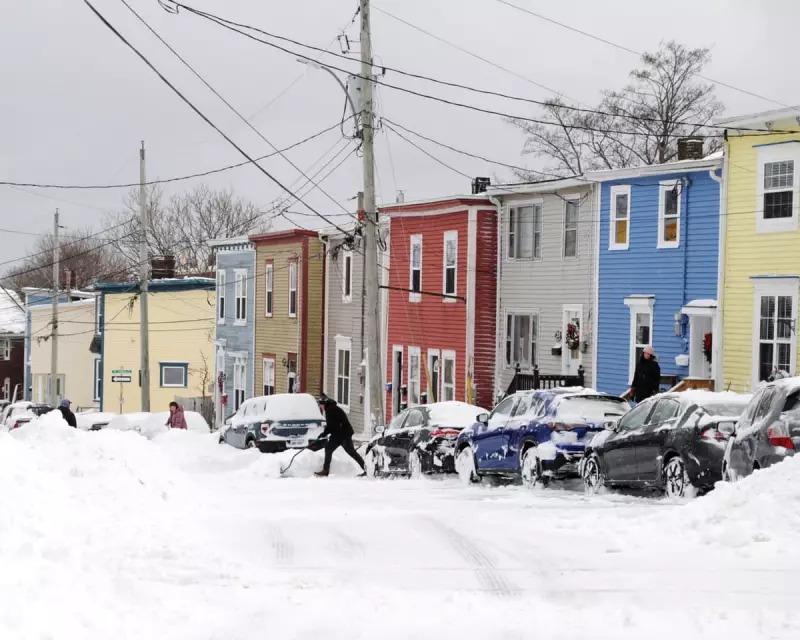
Simultaneously, a separate but equally serious threat is developing for the Atlantic provinces. Heavy snowfall warnings have been posted for parts of Nova Scotia and Newfoundland. Current models suggest accumulations could reach between 15 and 25 centimetres in these regions. The snow is forecast to start on Monday evening and continue through much of Tuesday, significantly reducing visibility and creating difficult driving conditions.
Gale-Force Winds Compound the Danger
Adding to the perilous mix, the storm is also packing powerful winds. Environment Canada has warned that strong wind gusts, potentially reaching gale force, will accompany the precipitation. These winds are anticipated to hit the affected areas in Nova Scotia and Newfoundland from Tuesday morning onwards. The combination of heavy, wet snow and high winds drastically increases the likelihood of widespread travel disruption, further power cuts, and possible structural damage.
The agency is urging the public across all warned regions to exercise extreme caution. Residents should consider postponing non-essential travel once conditions deteriorate. If travel is unavoidable, drivers are advised to adjust their speed for the road conditions, maintain a safe following distance, and ensure their vehicles are prepared for winter emergencies.
Staying Safe During the Severe Weather
With this triple threat of ice, snow, and wind on the horizon, preparation is key. Environment Canada recommends that people regularly monitor updated forecasts and alerts, as the situation may evolve. It is also prudent to have an emergency kit ready at home and in vehicles, including essentials like water, non-perishable food, a flashlight, and a first-aid kit. Residents should secure any loose outdoor items that could become projectiles in high winds and be prepared for the possibility of extended power outages.
This severe weather event serves as a stark reminder of the powerful and disruptive storms that can sweep across Canada during the winter months. By heeding official warnings and taking sensible precautions, individuals and communities can better weather the impending conditions and minimise the risks to safety and property.



