
Electric vehicle (EV) sales in Australia reached an all-time high in June 2026, accounting for 12% of all new car sales, as record fuel prices and expanded government incentives drove consumer demand, according to the Electric Vehicle Council (EVC).
Record Sales Amid Fuel Crisis
The EVC reported that 15,432 EVs were sold in June, a 45% increase compared to the same month last year. This surge comes as the average price of petrol hit AUD $2.50 per litre, the highest on record, squeezing household budgets and accelerating the shift away from internal combustion engines.
Plug-in hybrid electric vehicles (PHEVs) also saw a significant uptick, with sales doubling year-on-year to 3,200 units. The EVC noted that PHEVs now represent 2.5% of the market, up from 1.2% a year ago.
Government Incentives Drive Adoption
The federal government's expanded EV subsidy program, which provides up to AUD $3,000 for new EV purchases, has been a key driver. Additionally, several states have introduced rebates for home charging infrastructure and waived registration fees for EVs for two years. "The combination of high fuel prices and strong policy support has created a tipping point for EV adoption," said EVC Chief Executive Behyad Jafari.
Challenges Remain
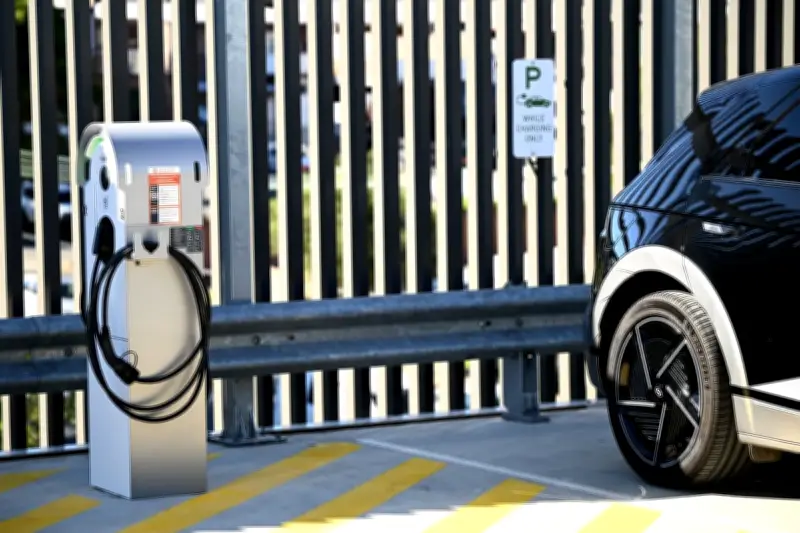
Despite the growth, Australia still lags behind other developed nations. EVs represent just 8.5% of new car sales in the first half of 2026, compared to 25% in the UK and 30% in Germany. Infrastructure remains a bottleneck, with only 5,000 public charging stations nationwide, though the government plans to double that by 2027.
Industry analysts warn that supply constraints, particularly for popular models like the Tesla Model Y and MG4, may temper future growth. However, the EVC projects that EV sales could reach 20% of the market by the end of 2027 if current trends continue.



