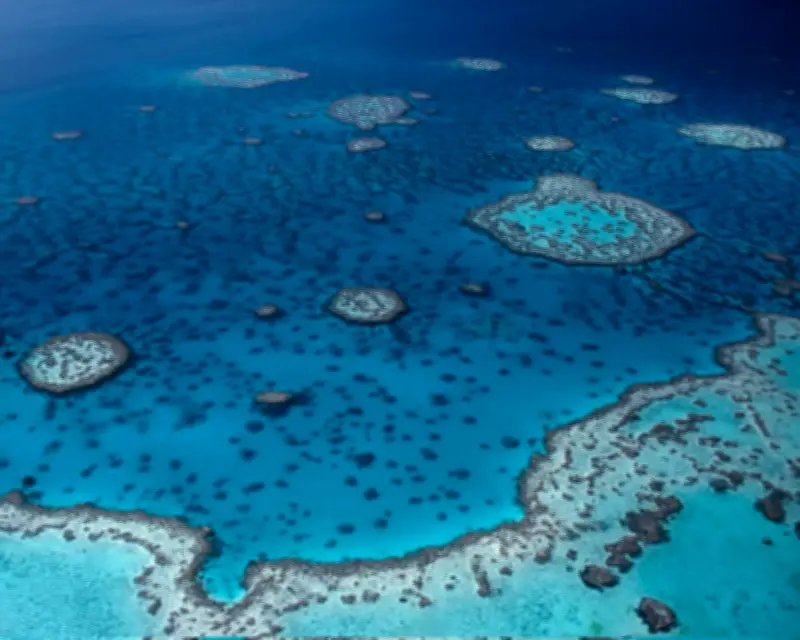
Scientists have mapped the microbiome of the Great Barrier Reef, discovering more than 500 bacterial species previously unknown to science and identifying 362,802 distinct viruses. The research, published in Nature, analysed DNA from seawater samples across 48 reefs.
Microbiome Mapping Reveals Hidden Diversity
Led by the University of Queensland and the Australian Institute of Marine Science (AIMS), the study used metagenomics to sequence environmental DNA. Dr Yun Kit Yeoh, senior author and AIMS scientist, described microorganisms as a "very important part of the reef ecosystem" that underpin marine food chains. Many microbes photosynthesise, converting carbon dioxide into oxygen, and are consumed by krill and zooplankton, which are then eaten by larger animals.
Technological Advances Enable Discovery
Recent advances in computing power and long-read sequencing technology allowed the team to analyse DNA from single drops of seawater containing thousands of microbes. Prof Philip Hugenholtz, a University of Queensland microbiologist and senior author, noted, "We wouldn't have been able to do this, say, 10 years ago, but fortunately computing power keeps increasing at an exponential rate." The analysis identified 808,585 viral genomes (estimated 362,802 viruses) and 5,283 bacterial and archaeal genomes (876 species, 584 new).

Potential for Reef Monitoring
The researchers believe the mapped microbiome could serve as a monitoring tool. "Microbial communities can tell you an awful lot. Often you’ll see changes in the microbial populations before you see more visible changes [on the reef]," Yeoh said. For example, microbes can indicate fishing in no-take zones or heavy metal contamination. Hugenholtz added, "It’s quite expensive to get a readout of heavy metals – it’s cheaper to get a read out of the changes that they have on microbial communities."