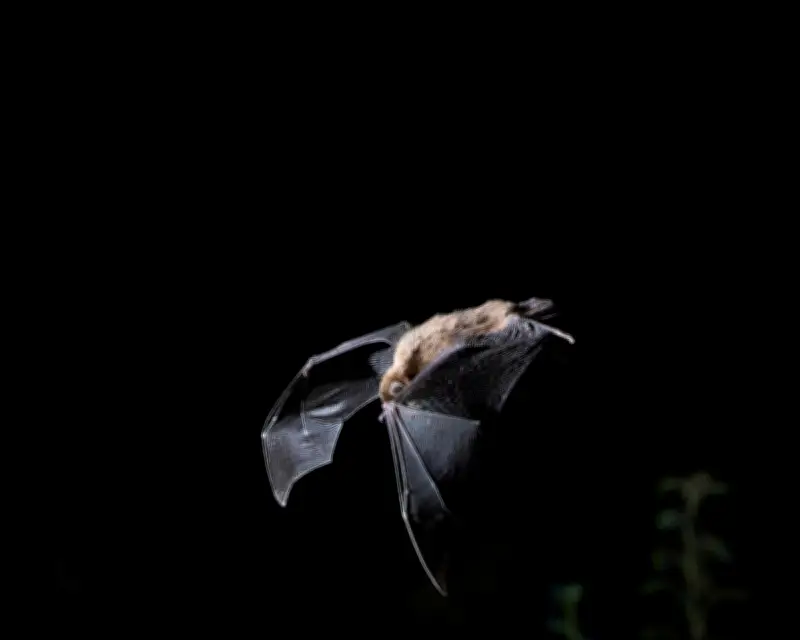
The population of the critically endangered southern bent-wing bat has suddenly dropped by up to 16%, with scientists at a loss to explain the decline. At Naracoorte's 'bat cave' in South Australia—one of three key maternity sites—researchers recorded about 5,000 fewer adults than usual this summer.
Population drop at key site
Over the past five years, the peak population at Naracoorte averaged 28,600 adults. Last summer, that figure fell by approximately 14-16%. Bat ecologist Nicola Bail, who coordinates the species recovery team at Zoos Victoria, said: 'We've lost quite a lot of the adults. We're really not sure what the cause of this decline is, but it is really concerning, especially with so many threats operating in the range of the southern bent-wing bat.'
Long-term monitoring shows severe decline
Population counts at the World Heritage-listed site date back to the 1960s, when as many as 200,000 bats were recorded. Severe declines since then have led to the southern bent-wing bat being listed as one of Australia's eight critically endangered mammals. 'They're still hanging on. They're a real little fighter,' Bail said.

Impact on survival and reproduction
The recent drop includes some of the lowest male survival rates in a decade, which would have long-term ramifications. Southern bent-wing bats depend heavily on adult survival, with females producing only one young per year and individuals living up to 22 years. Associate Professor Jasmin Hufschmid from the University of Melbourne, who studies bat health but was not involved in the counts, described the bats as 'gorgeous little creatures' that play an 'invaluable' role in controlling agricultural pests and disease-spreading insects.
Possible causes and ongoing threats
Possible explanations for the decline include habitat clearing, drought, reduced insect prey, and human disturbance at non-breeding caves, many on private land. A spokesperson for South Australia's environment department noted that collisions with wind turbines and the potential introduction of white-nose syndrome—not yet detected in Australia—also pose risks.
Conservation efforts
Cassie Hlava at the Limestone Coast Landscape Board is coordinating a federally funded project working with landowners to restore caves and replant corridors of native grasses and flowering plants like wattles, eucalypts, hakeas, and banksias. These efforts aim to boost moth populations, providing food for bats. 'The recent decline is a huge concern,' Hlava said. 'The numbers are already quite low. So when you have a drop of 5,000 bats within a year, it's really concerning that the species is being pushed towards extinction.' Southern bent-wing bats are unique to the area, having been present for about 500,000 years.