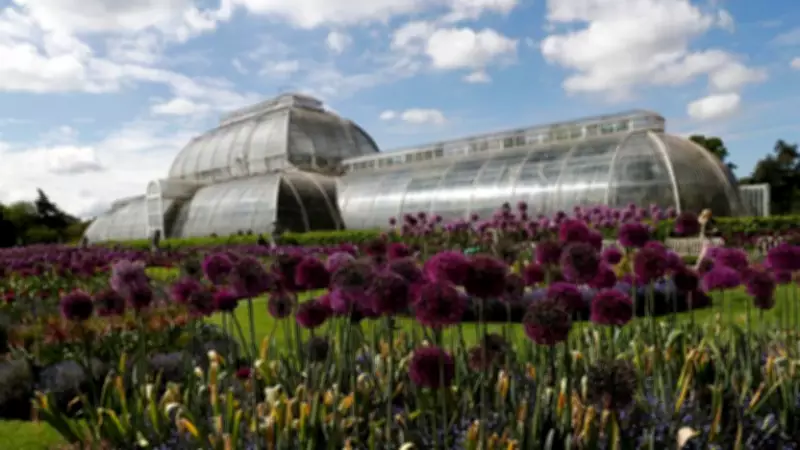
The United Kingdom has recorded its hottest day of the year so far, with temperatures reaching a remarkable 18.6 degrees Celsius at Kew Gardens in London on Wednesday afternoon, February 25, 2026. This marks the warmest February day since 2019, highlighting an unusual spike in early spring warmth across the nation.
Record-Breaking Temperatures Across the UK
Thermometers soared above 18 degrees Celsius in several regions, including Kent and Suffolk, while areas such as High Beach in Essex, Northolt in London, and Neatishead in Norfolk all experienced temperatures exceeding 17 degrees Celsius. Notably, some parts of the UK even surpassed the temperatures recorded in Barcelona, Spain, and Malta on the same day, underscoring the intensity of this warm spell.
Meteorological Insights and Forecast
Sky News meteorologist Dr. Christopher England explained that the mild conditions are attributed to a generally southerly flow, driven by low pressure to the west and high pressure to the east. However, he cautioned that cooler weather is expected to return from Thursday, with temperatures remaining above average for most areas. A strengthening westerly wind will bring cloud and rain to many regions, though the South East is likely to stay dry until after dark.

The Met Office has emphasized that this temperature surge does not indicate a sustained shift into settled spring weather. Overnight frost and fog remain possible, and the overall outlook continues to be changeable. This comes after a notably wet start to the year, with recent data from the UK Centre for Ecology and Hydrology revealing that Northern Ireland and the southwest of England experienced their wettest January on record.
Context and Implications
This record-breaking warmth follows a period of significant rainfall, highlighting the variability in UK weather patterns. While the sunny conditions provided a temporary respite, experts warn against interpreting this as a long-term trend toward warmer weather. The combination of high temperatures and previous wet conditions may have implications for local ecosystems and public health, particularly in urban areas like London where heat can intensify.
As the UK navigates these fluctuating conditions, residents are advised to stay updated on weather forecasts and prepare for potential shifts in temperature and precipitation. The event serves as a reminder of the dynamic nature of climate patterns, even in traditionally temperate regions.