One of London's most biodiverse rivers is being polluted by untreated waste flowing from ordinary homes, with much of the contamination happening without residents even realising. Misconnections — where household plumbing is incorrectly linked to surface water drains — are a key contributor to contamination in vulnerable rivers like the Wandle in South London.
The Hidden Threat of Misconnections
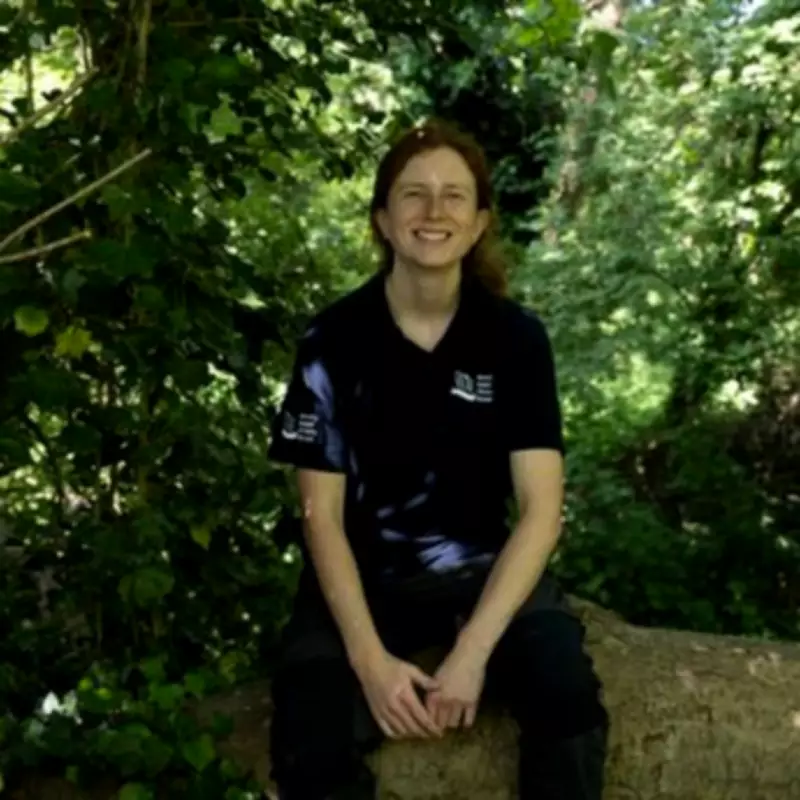
"Misconnections can lead to all kinds of pollutants ending up in the river, bypassing the kinds of treatment normally applied at a sewage treatment works," river expert Dr Isobel Ollard told the Local Democracy Reporting Service (LDRS). The Wandle — a rare 12-mile chalk stream stretching from Carshalton to the Thames at Wandsworth — is increasingly becoming the end point for household contaminants diverted into drains through these misconnections. According to Dr Ollard, who is a Catchment Officer at the South East Rivers Trust (SERT), this pollution can have serious consequences for the river's ecosystem.
"This pollution can include everything from raw sewage, chemicals and physical debris, all of which can be harmful to wildlife and lead to further degradation of river ecosystems," she said.

Observing the Problem First-Hand
The LDRS recently joined Dr Ollard at Watermeads Nature Reserve, which hosts part of the Wandle in Mitcham, to see first-hand how misconnections are polluting the river. After a short walk along the river path, Dr Ollard pointed out a suspected misconnection. From a concrete outfall feeding into the river, a stream of cloudy, milky-looking water poured steadily into the Wandle's clear flow. The pale discharge spread across the surface, with containment booms installed by Thames Water acting as the only barrier preventing it from dispersing further downstream.
Pointing to the outflow, Dr Ollard explained: "This is an indication that it is usually coming from a household appliance." She said the pollution was almost certainly linked to a washing machine in a nearby property that was incorrectly connected to the surface water network. Instead of wastewater flowing to a treatment works, detergents and untreated dirty water were entering the river.
While Thames Water booms hold back contaminants at the surface, they do not prevent smaller and more pervasive pollutants from entering the watercourse. Beside the riverbank, used booms from previous incidents lay like coiled snakes awaiting collection — a reminder of how regularly this problem occurs.
Broader Pollution Sources
The urban setting of the Wandle means it is constantly under threat from a range of pollution sources. The nearby Beddington Sewage Treatment Works discharges treated wastewater into the river, but has also previously released untreated sewage into the stream during periods of heavy rainfall. Like rivers across the UK, the Wandle also suffers from surface water run-off, where rainwater washes pollutants from roads, roofs and pavements directly into watercourses via storm drains. More visible is the larger-scale debris that occasionally lines the riverbanks. While Watermeads Nature Reserve remains largely clear during our visit, other stretches of the Wandle can be littered with everything from shopping trolleys to bin bags.
Yet, according to Dr Ollard, misconnections pose a more complex challenge, as identifying the source of the problem — and who is responsible — is often difficult. "It's hard to track," Dr Ollard told the LDRS. "You can only find out once you see the discharge."
Responsibility and Awareness
Thames Water is responsible for investigating polluting outfalls and tracing them through drainage networks. However, once a misconnection is identified and traced to a property, responsibility for fixing it lies with the homeowner. Dr Ollard said many homeowners are unaware their property is misconnected. Older homes can contain historic plumbing errors that only come to light once pollution is detected in a river.
"If a misconnection is identified in a house, you do have a legal requirement to rectify it, but it is not something that gets picked up on surveys," she said. "So people will buy a house, not knowing it has got a misconnection. Then they will get a letter saying it has been identified and they will then be required to do the work, which costs thousands of pounds."

Leonie Cooper, Labour London Assembly Member for Merton and Wandsworth and Deputy Chair of the Environment Committee, said she shared Dr Ollard's concerns about misconnections. She urged residents to ensure drainage systems are correctly installed when carrying out works or buying property. "Misconnections can have significant consequences," she said. "These include the pollution of local streams and rivers, so it is crucial that we make sure our water and drainage systems are correctly installed and properly maintained," she told the LDRS.
Last year, the LDRS revealed Thames Water had identified 2,294 plumbing misconnections across London over the previous five years. Across the UK, DEFRA figures published in 2019 also estimated that between 150,000 and 500,000 homes may have drain misconnections.
Why the River Wandle is at Higher Risk
The misconnection problem is especially significant for the Wandle as chalk streams are uniquely sensitive ecosystems, supporting a wide range of fish and bird life. Only around 200 chalk streams exist worldwide, with the vast majority found in England. Pollution entering the river can lower oxygen levels and damage habitats for fish, insects and aquatic plants. Misconnections can also contribute to sewer flooding if rainwater is incorrectly routed into foul sewers, overwhelming the system during heavy rainfall.
This continual pollution, combined with other large-scale forms of contamination, can severely degrade water quality over time, contributing to declining fish populations and a noticeable reduction in bird life. Last February, the LDRS reported that wildlife in the Watermeads area had been coated in oil following a spill that originated in Croydon.
Despite their impact, environmental groups say misconnections remain poorly understood by the public compared with sewage spills or plastic pollution. SERT and Thames21 - a water charity - are now encouraging residents to take part in 'Outfall Safaris', where volunteers walk river routes searching for signs of pollution from drains. The scheme was first developed by the Zoological Society of London (ZSL) in 2016 to help identify and prioritise polluting outfalls. Recent surveys on the Wandle found that 12% of outfalls showed signs of pollution.
For Dr Ollard, protecting the Wandle depends on residents seeing the river as part of their own neighbourhood rather than something separate from daily life. When asked how people can stop further pollution, she replied: "Grow your connection to your river." She added: "Connection to nature can enrich our lives in so many ways, and as city-dwellers, urban rivers like the Wandle are absolutely invaluable points of access to, and relationships with, wild nature. In turn, the more we notice and care about our rivers, the better we are able to care for and protect them."
SERT is currently running its Chalk Stream Connectors project, which aims to improve access and connect underrepresented communities with the Wandle, Cray, Darent and Hogsmill chalk streams. "These rivers are globally rare habitats flowing right through local neighbourhoods," said SERT CEO Dr Bella Davies.
A Thames Water spokesperson said: "We actively investigate suspected misconnections and support local projects to raise awareness and involve communities in protecting their environment. All pollution reports are investigated within two hours. Where third-party issues are identified, we work with property owners or local authorities to resolve them, with more complex cases addressed through our Surface Water Outfall Programme. While we're not responsible for third-party drainage, we work closely with partners to tackle this significant issue across London. On the River Wandle, we've investigated over 20 suspected misconnections in the past three years."