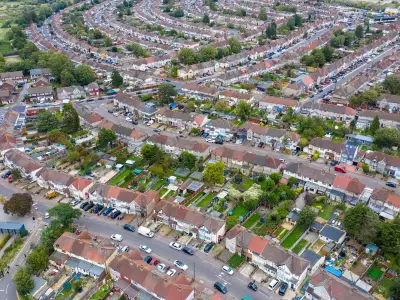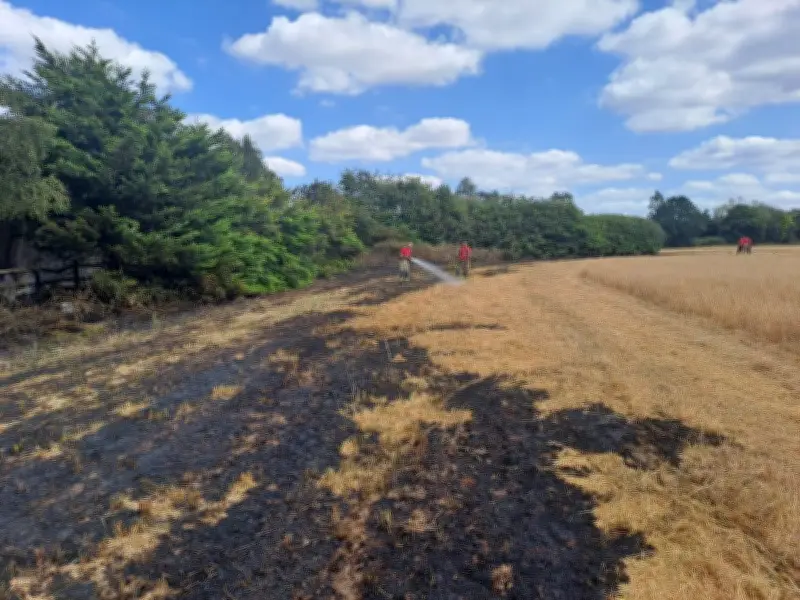
Eight fire engines and approximately 60 firefighters responded to a grass fire in Orpington, South London, on Tuesday July 28, as persistent hot weather continues to elevate wildfire risk across the capital. The blaze destroyed around half an acre of a cornfield, marking the latest in a series of fires that have strained resources.
Previous fires and resource deployment
Earlier on the same day, firefighters had already tackled three other grass fires across London. On Monday July 27, crews responded to a grass fire on Riverside Road in Enfield, followed by incidents in Bexley and Slade Green in Erith. These three fires collectively damaged nearly four hectares of land in a single evening, according to the London Fire Brigade (LFB).
Firebreaks limit spread in Orpington
The Orpington fire was contained more effectively due to firebreaks created by landowners. These borders—cleared strips of land—limited the fire's ability to spread to adjacent areas. The cause of the fire remains undetermined, and two vehicles were also destroyed in the incident.
Official warning and public advice
Assistant Commissioner Pam Oparaocha emphasised the importance of prevention: "Throughout this period of hot weather, we are continually monitoring demand and deploying our resources where they are needed most so that we're ready to respond to emergencies across London. Our specialist Terrain Support Vehicles are prepared to tackle grass and wildfire incidents, while our water rescue teams remain ready to respond to emergencies across London's 370 miles of waterways."
She added: "While we are fully prepared to respond, we need everyone to play their part in helping to prevent incidents. Wildfires in particular can spread rapidly, require significant resources and have devastating consequences for people, properties, wildlife and the environment. Wildfires can also have a lasting impact on the health of Londoners because of the smoke plumes that they produce."
Preventive measures urged
The LFB advised the public to avoid disposable barbecues in parks and open spaces, even if they appear extinguished, as they can retain heat for hours. Smoking materials should be disposed of responsibly, and barbecues at home should be placed away from fences, sheds, and wooden decking, never on balconies. Homeowners are also encouraged to remove dry rubbish or grass, keep grass short, trim trees and shrubs near homes, and create firebreaks around gardens where possible.