As summer heatwaves fade and cooler conditions settle in, the UK is seeing a surge in harvest mites—microscopic parasitic arachnids that feed on human skin cells. These bright red or orange bugs, from the same family as spiders and ticks, thrive in September and October when eggs laid in soil the previous year hatch into hungry larvae.
Harvest mites, scientifically known as neotrombicula autumnalis in the UK, live in soil, woodlands, fields, tall weeds, and overgrown gardens. Also called chiggers or berry bugs, these six-legged parasites latch onto animals or humans who brush against the leaves or grass they inhabit. Once attached, they inject digestive enzymes that break down skin cells before consuming the liquefied tissue.
Bite symptoms and risks
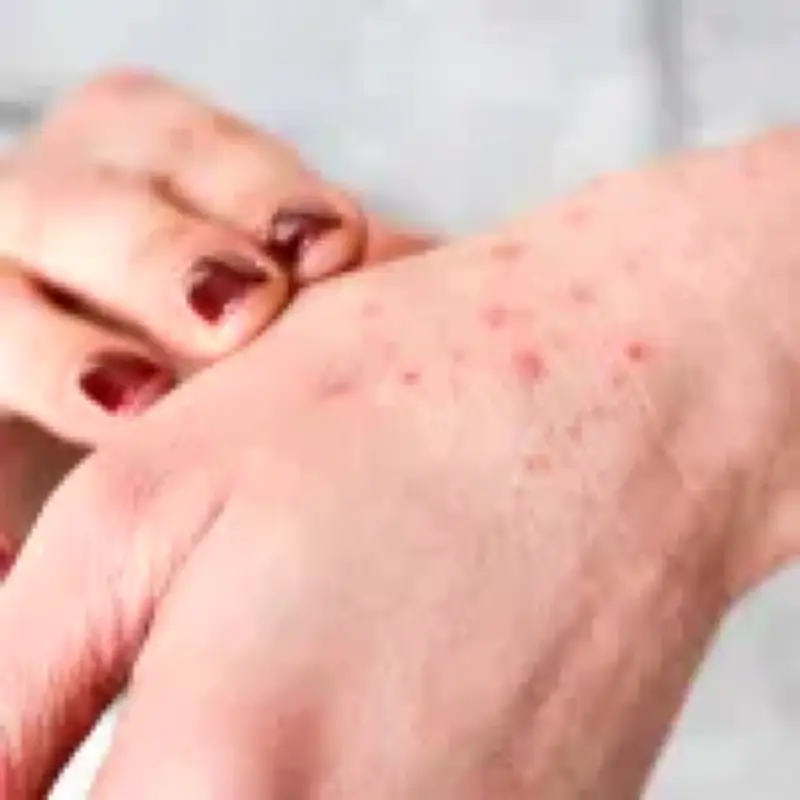
At just 0.2mm to 1mm long, harvest mites are nearly impossible to spot with the naked eye. Bites typically become noticeable about 24 hours later, when intense itching sets in. Chemist4U describes the main symptom as 'itchy red bumps that can appear on your skin in the form of pimples, blisters or small hives,' adding that bites are usually found around the waist, ankles, and in warm skin folds.

These bumps often appear in clusters and can grow larger and itchier over several days—a condition known as trombiculosis. While UK harvest mites do not transmit diseases, their counterparts in East Asia and the South Pacific can cause scrub typhus, a potentially fatal disease. In the USA, chigger bites to the penis have been linked to 'summer penile syndrome,' characterised by swelling and pain.
Treatment and prevention advice
According to Mayo Clinic, the red, itchy welts usually heal on their own within one to two weeks, but showers or baths can help reduce itching. The NHS recommends several steps for anyone bitten by insects, including harvest mites: apply an ice pack wrapped in a cloth or a clean cloth soaked in cold water for at least 20 minutes, use antihistamines to relieve itching, apply hydrocortisone cream to reduce itching and swelling, avoid scratching to prevent infection, and steer clear of home remedies.
If pain occurs or pus or fluid comes from the bite, the NHS advises speaking to a pharmacist. Call 111 if symptoms worsen or don't improve, or if you experience stomach pain, sickness, dizziness, or a temperature. Prevention is key: keeping skin covered reduces the risk of being targeted.
Protecting pets from harvest mites
Dogs are especially vulnerable to harvest mites, particularly pet owners who frequent mite habitats. Watch for signs like itching, licking, or biting themselves, along with inflammation and redness of the skin. If you suspect an infestation, speak to your vet—especially if your pet shows vomiting, diarrhoea, lethargy, a raised temperature, or muscle tremors, which could indicate seasonal canine illness (SCI), a rare condition linked to the bugs.
Dr Tanya Leslie, veterinary advisor for Douxo, notes: 'At home, owners will not be able to kill harvest mites or remove the infestation completely, but bathing your dog in a soothing shampoo containing ingredients such as Ophytrium can help to reduce inflammation and soothe itchy skin while you are waiting to see your vet.' She adds that if a dog has broken skin from itching or biting, there is an added risk of bacterial or yeast infections; shampoos containing chlorhexidine can help disinfect the skin and manage bacterial overgrowth. Keeping up with flea treatments also makes it less likely dogs will catch harvest mites in the first place.