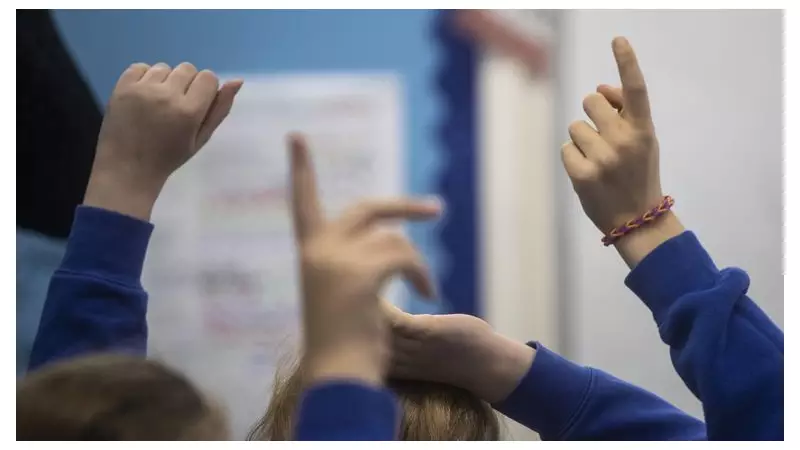
The government has launched a major new initiative to combat violence against women and girls (VAWG) by mandating lessons on healthy relationships in every secondary school in England. The Home Office is set to announce the plan on Thursday, which forms a core part of the pledge to halve incidents of VAWG within the next ten years.
Core Components of the New Educational Strategy
Under the new requirements, all secondary schools in England will be required to teach students about healthy and respectful relationships by the end of this parliament in 2029. To prepare for this, the government is committing significant resources. A total of £16 million in public funding has been allocated, with officials working with philanthropists to secure a further £4 million.
Teachers will receive specialist training to equip them with the skills to discuss sensitive but crucial topics with pupils. This will include conversations about consent and the dangers of sharing intimate images. The government points to concerning research indicating that 40% of young men view the self-proclaimed misogynist influencer Andrew Tate positively, highlighting the urgent need for counter-narratives in education.
Furthermore, the initiative will launch pilot schemes in selected schools from 2026, developed and delivered by experts. These pilots will be based on research identifying the most effective methods for imparting these vital lessons to young people.
Support Services and Broader Government Action
A key support measure accompanying the curriculum change is the creation of a new online helpline for teenagers. This service will allow young people to seek help and advice if they have concerns about their own behaviour within relationships, providing an early intervention tool.
The education plan is one part of a wider package of measures announced this week to tackle VAWG. Other actions include deploying specialist rape and sexual offences investigators to every police force, enhancing NHS support for survivors, and providing a £19 million funding boost for councils to offer safe housing for domestic abuse survivors.
Reactions and Calls for Greater Investment
While the strategy has been welcomed by some, leading figures have warned that the proposed investment may be insufficient. Dame Nicole Jacobs, the Domestic Abuse Commissioner for England and Wales, stated that the commitments "do not go far enough" to actually reduce the number of abuse victims. She criticised the funding level as "seriously short" and expressed concern that overburdened schools lack the infrastructure to safeguard child victims of domestic abuse effectively.
Claire Waxman, the incoming Victims' Commissioner, emphasised that sustainable investment in victim services is essential, calling them the "backbone" of any successful strategy. Without it, she fears the plan risks becoming a "wish list of tactical measures" rather than a transformative framework.
In a statement, VAWG minister Jess Phillips said: "For too long, the scale of violence against women and girls has been treated as a fact of life in our country. I am determined our groundbreaking strategy will prevent women and girls from actually being harmed in the first place." Prime Minister Sir Keir Starmer added that the government is "stepping in sooner" to back teachers, call out misogyny, and intervene early to stop harm before it starts.