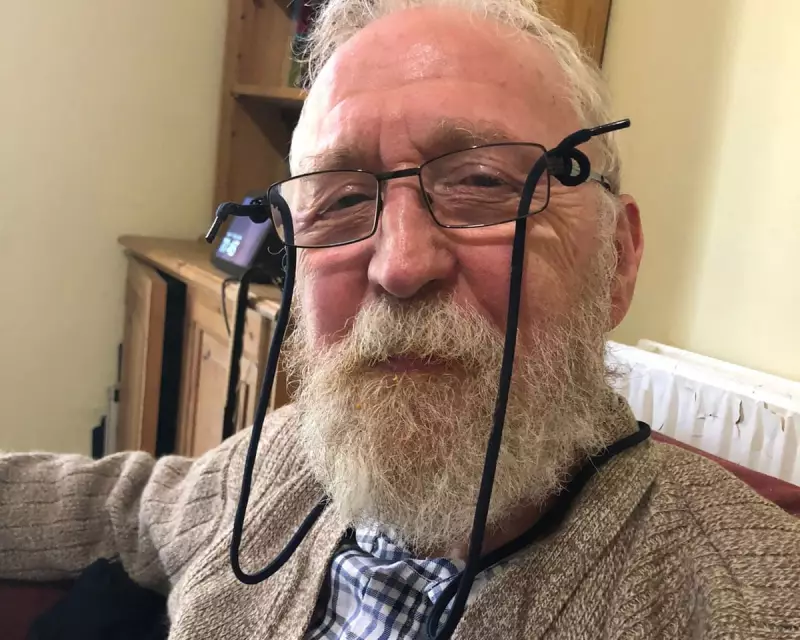
Phil Taylor, a charismatic headteacher who led several secondary schools in Greater Manchester while becoming a familiar face on television challenging education ministers, has died at the age of 81.
The educator, known for his progressive approach and strong socialist principles, regularly appeared on BBC news and current affairs programmes during the 1990s to criticise successive education secretaries for what he saw as unnecessary meddling and inadequate support for schools.
Progressive Leadership in Manchester Schools
Taylor's first headship began in 1988 at South Manchester High School in Wythenshawe, where he immediately implemented significant changes that reflected his educational philosophy. Among his first acts were banning school uniforms and eliminating the traditional daily bell, moves considered radical at the time.
The school under his leadership was anything but conventional, housing its own farm where peacocks famously wandered the corridors. One of his most notable students was Jason Orange of Take That, who later told family members that Taylor had been a positive influence on his life.
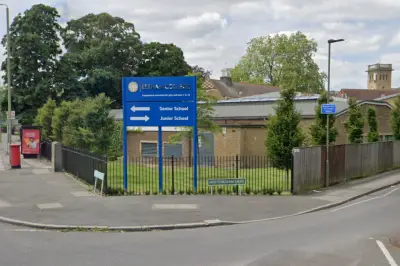
Taylor served as head of South Manchester High School for 11 years before being brought in to lead Ellen Wilkinson High School in Manchester for a year. Later, around 2000, he became head of Stamford High School in Ashton-under-Lyne before transitioning to an education adviser role for Tameside local authority from 2003 to 2009.
From Bristol to Manchester: A Life of Principle
Born in Bristol to Betty and Ron Taylor, a United Reformed Church minister, Taylor later became an atheist but maintained the strong sense of social justice instilled during his upbringing. His principles were evident even during his school days as a boarder at Caterham School in Surrey, where he was made a prefect with the authority to beat younger boys but made it clear he would never exercise this power.
After completing A-levels and teaching for a year at a school in Ipswich, Taylor moved to London in 1963 to study English at North Western Polytechnic, now part of London Metropolitan University. During this period, he became president of the student union and stood for president of the National Union of Students, losing to future Home Secretary Jack Straw.
Following his degree, Taylor completed a PGCE at London University and began teaching at Crown Woods School in Greenwich, where he met fellow English teacher Gill Donnelly. The couple married in 1975 and had two sons together before divorcing in 1994.
Beyond the Classroom: Jazz and Journalism
Taylor's passions extended well beyond the school gates. A keen trumpeter and trad jazz enthusiast, he took great pride in his band, the Staffroom Stompers, performing at the prestigious Royal Northern College of Music in the 1990s.
His commitment to education also found expression through writing, with Taylor contributing regularly to both the education press and the Guardian newspaper alongside his media appearances.
A lifelong socialist, his political affiliations evolved over time. He was a Labour Party member until his disapproval of Tony Blair's leadership prompted him to join the Green Party instead.
In 2004, Taylor married Sue Legg, and after retiring in 2009, he dedicated himself to caring for her as she faced early-onset Alzheimer's. As her health declined, Taylor himself began experiencing dementia. Sue died in 2018, but Taylor's final years still contained moments of joy shared with his carer, Stacey, and his family.
Phil Taylor is survived by his sons Benjamin and Tom from his first marriage, two stepdaughters Becca and Emma, and seven grandchildren: Ottilie, Orson, Max, Grace, Mydi, Belle and Tabi.