School Readiness Crisis Deepens as Quarter of Reception Pupils Not Toilet Trained
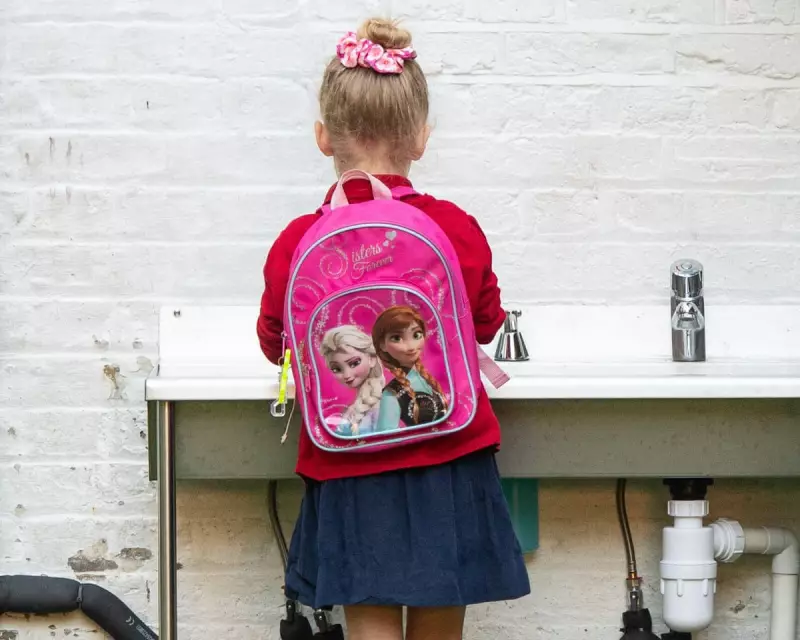
A concerning new survey has revealed that approximately one in four children starting reception classes in England are not toilet trained, highlighting a growing crisis in school readiness across the nation. The annual research conducted by early years charity Kindred Squared found that 26% of reception pupils experience frequent toilet accidents, with this figure rising dramatically to 36% in the north-east region.
Basic Life Skills Deficiency Widespread
The comprehensive survey of 1,000 primary school staff uncovered multiple areas where children are struggling with fundamental life skills. Beyond toilet training issues, teachers reported that 28% of reception pupils cannot eat and drink independently, while 25% face difficulties with other basic capabilities essential for classroom participation.
Perhaps most strikingly, staff noted that 28% of children do not know how to use books correctly, with many attempting to swipe or tap pages as if they were using smartphones or tablets. This technological confusion underscores how digital exposure is impacting traditional learning methods from the earliest educational stages.
Regional Disparities and Time Loss
The research identified significant regional variations in school readiness, with teachers in the north-east, West Midlands, and north-west reporting the sharpest declines. These geographical disparities suggest that socioeconomic factors and regional support systems may be playing a crucial role in children's preparedness for formal education.
The practical consequences for classroom time are substantial. Teachers estimate they spend approximately 1.4 hours daily changing nappies or assisting children who are not toilet trained. Overall, a staggering 2.4 hours of teaching time is lost each day because pupils lack the basic skills needed to engage with the curriculum effectively.
Systemic Crisis Beyond the Classroom
Felicity Gillespie, chief executive of Kindred Squared, described the situation as reaching "a critical moment", with 37% of children now arriving at school without essential life skills. She emphasised that this is "no longer just a classroom issue; it is a systemic crisis" driven by multiple factors including:
- Stretched school resources and funding limitations
- Low expectations regarding developmental milestones
- The rising cost of living affecting family support systems
- Parents lacking adequate information about early childhood development
Government Response and Parental Perceptions
While the government has set an ambitious target for 75% of children to be school ready by 2028, current Department for Education figures show only 68.3% achieved a good level of development by the end of reception in 2024-25. This represents a slight improvement from previous years but remains significantly below the target.
Interestingly, a parallel survey of 1,000 parents revealed a substantial perception gap. While teachers report widespread readiness issues, 88% of parents believed their child was ready to start school this year, with 35% claiming their child was more prepared than most peers. Nearly all parents (94%) expressed willingness to welcome national guidance on preparing children for school.
Expert Analysis and Contributing Factors
Paul Whiteman, general secretary of the school leaders' union NAHT, confirmed that the survey findings reflect what members are reporting daily. He noted that school leaders are observing increasing numbers of children beginning their educational journey without fundamental readiness skills.
Pepe Di'Iasio, general secretary of the Association of School and College Leaders, described the situation as "very obviously a huge problem" that cannot be solved with quick fixes. He acknowledged welcome developments like family hub expansion but emphasised these initiatives cannot immediately reverse fifteen years of declining local support services.
More than half of surveyed teaching staff identified excessive screen time for both children and adults as a significant factor contributing to school readiness challenges. This digital influence appears to be reshaping how children interact with traditional learning materials and develop essential physical coordination skills.
Government Initiatives and Future Directions
The government has prioritised early years investment as part of its opportunity mission, including distributing £12 million across 65 local areas to establish Best Start family hubs. These centres aim to provide parenting support and youth services to address developmental gaps before children reach school age.
A Department for Education spokesperson acknowledged the scale of the challenge, stating: "We inherited a system where disadvantage was allowed to deepen, and these findings underline the scale of the school readiness challenge we are determined to tackle, so every child gets the best possible start in life."
The spokesperson noted early signs of improvement in development statistics but emphasised there is "further to go" to achieve the government's ambitious targets for school readiness across England.