South London School Development Faces Cancellation in Government Review
Controversial proposals to construct a substantial new secondary school within a developing South West London district are now under threat of being abandoned entirely. Richmond Council has launched a formal appeal against the Government's recent determination to terminate the construction of Livingstone Academy West London. This educational facility was intended to form a crucial component of the extensive £1.3 billion regeneration project on the former Stag Brewery site in Mortlake.
Council Warns of Escalating Pressure on Local School Places
The local authority has expressed significant concern that this decision will exacerbate the already critical shortage of secondary school places in the eastern section of the Richmond borough. Officials stated that the planned academy, developed through years of collaboration between the council and the Aspirations Academies Trust, was specifically designed to address this persistent deficit in local educational provision.
Livingstone Academy finds itself among twenty-eight proposed mainstream free schools that the Government has decided to cancel. This action follows a comprehensive year-long assessment examining whether these projects represented genuine value for public money. The Department for Education confirmed in December that only sixteen of the forty-four reviewed mainstream free school proposals would advance, with the remaining twenty-eight facing likely cancellation, though trusts and councils retain the right to appeal.
Government Redirects Funding Towards Special Educational Needs
This announcement coincided with a major Government pledge to create an additional fifty thousand school places for children with special educational needs and disabilities (SEND) within mainstream schools across England. Ministers promised to invest a minimum of £3 billion into this initiative over the coming three years, with part of this funding being sourced from the cancellation of certain planned mainstream free schools.
Furthermore, the Government committed to delivering all ten thousand places slated for creation by planned special free schools, either through direct construction or by providing councils with the necessary capital to establish these specialist placements independently.
Education Secretary Bridget Phillipson explained the rationale, noting a national decline in primary school pupil numbers since 2019, contrasted by a sharp rise in young people with SEND to at least 1.7 million—an increase of four hundred thousand students since 2020. She stated the policy shift aims to deliver inclusive provision anchored in demonstrable need, rather than adding mainstream capacity where it already exists sufficiently.
Local Leaders Voice Disappointment and Concern
While Richmond Council has welcomed the increased focus on SEND provision, it strongly contends that this should not come at the direct expense of places for pupils without additional needs. The authority maintains there is a clear and present insufficiency of secondary school places in the borough's east, arguing that demand cannot be fairly met by sending students to schools in neighbouring boroughs, away from their established support networks.
Liberal Democrat council leader Gareth Roberts described the proposal as deeply disappointing, highlighting that children in the east of the borough are already missing out on secondary school offers on national offer day due to current demand outstripping supply. He emphasised that the Livingstone Academy would have provided essential capacity and genuine choice for families, especially with significant local housing growth planned.
Julia Cambridge, Liberal Democrat councillor and chair of the education committee, added that families consistently express a desire for local schooling. She criticised the prospect of requiring young people to travel out of borough as unrealistic and unfair, particularly given ongoing travel disruptions like the closure of Hammersmith Bridge. She also noted the academy would have offered a unique focus on technology and digital creativity not currently available locally, an opportunity that should not be discarded lightly.
Planning Background and Community Divisions
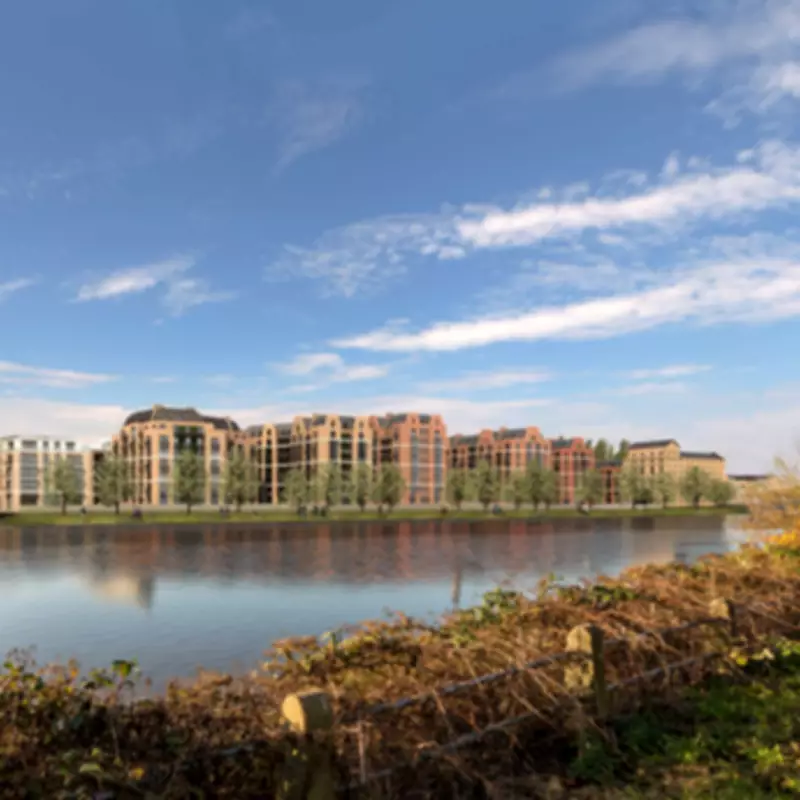
The wider regeneration scheme for the 22-acre Stag Brewery site, which includes 1,075 new homes, new restaurants, shops, and offices, received planning approval last year following a decade-long battle and a public inquiry in 2024. Planning inspector Glen Rollings approved both the residential and the school applications, the latter for a 1,200-place secondary school with a sixth form.
This decision was made after considering evidence from the developer, Reselton Properties, and the council in support, alongside objections from the Greater London Authority, the Mortlake Brewery Community Group, and the West London River Group. Notably, the community group had repeatedly questioned the necessity of a new secondary school on the site. While the school element is now set to be axed, the remainder of the substantial regeneration scheme is proceeding as planned.