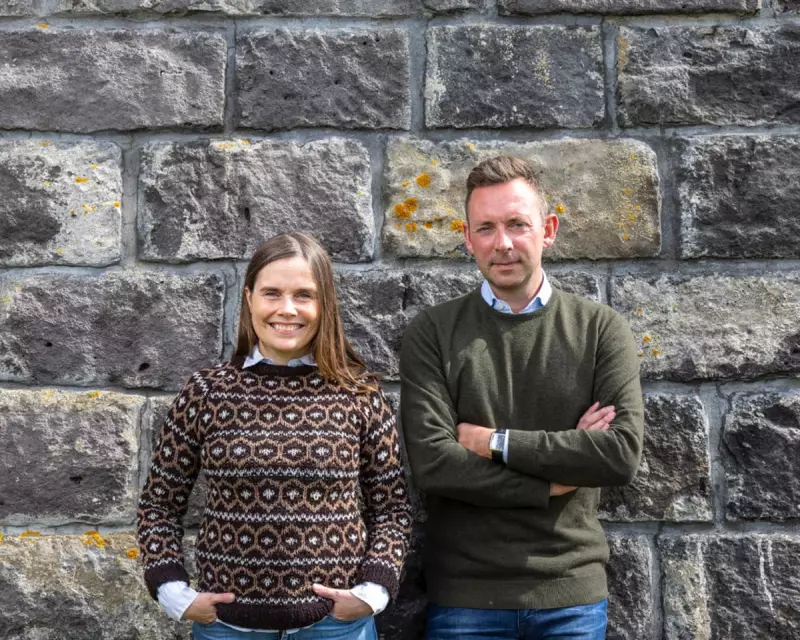
The Icelandic language, spoken by just 370,000 people, is facing an existential threat that could see it disappear within generations, according to a stark warning from Iceland's former prime minister.
The Digital Threat to a Ancient Language
Katrín Jakobsdóttir, who served as Iceland's prime minister from 2017 to 2024, has raised the alarm about the combined impact of artificial intelligence and pervasive English-language media consumption. She believes these modern forces represent the most serious threat the Icelandic language has ever encountered in its long history.
During a recent conference in Reykjavik focused on the future of small languages, Jakobsdóttir delivered a sobering assessment. "We are seeing a very real risk that Icelandic will not be a living language in another 100 years if we don't take radical measures now," she stated. The former leader emphasised that while Icelandic has survived for over a thousand years, the current digital era presents unprecedented challenges.
Why AI Poses a Particular Danger
The core of the problem lies in the technological landscape. Major AI companies are primarily developing their systems for widely spoken languages like English, leaving smaller languages like Icelandic behind. This creates a vicious cycle where Icelandic speakers, particularly younger generations, increasingly rely on English-language digital assistants, translation tools, and entertainment.
Jakobsdóttir highlighted several critical areas of concern:
- Voice-activated technologies that don't understand or speak Icelandic
- Machine translation systems that provide poor quality Icelandic translations
- The dominance of English in video games, streaming services, and social media
- Educational technologies that primarily serve English speakers
Nearly 80% of books sold in Iceland are now in English, reflecting a broader cultural shift that extends to television, films, and online content. This constant exposure to English is changing how young Icelanders think and communicate, potentially making Icelandic feel less relevant to their daily lives.
Historical Context and Government Action
Iceland has a proud history of language preservation. The Icelandic language has changed remarkably little since the sagas were written in the 13th and 14th centuries, largely due to conscious efforts to maintain linguistic purity. A government language committee has existed since 1964 to create Icelandic equivalents for new foreign words.
During her time in office, Jakobsdóttir's government took significant steps to address the digital threat. They allocated 1 billion króna (approximately £5.7 million) to language technology projects aimed at developing Icelandic-specific AI tools. This funding supported initiatives to create better speech recognition, text-to-speech systems, and automatic translation specifically for Icelandic.
However, the former prime minister acknowledges this is just the beginning. "We are in a race against time," she warned. "The pace of technological change means we must act faster and more decisively than ever before." She called for increased international cooperation between small language communities facing similar challenges.
The Path Forward for Language Survival
The situation in Iceland reflects a broader global concern for linguistic diversity. Of the world's approximately 7,000 languages, experts estimate that up to 90% could disappear by the end of this century. The case of Icelandic is particularly noteworthy because it involves a language with strong institutional support still struggling against global technological trends.
Potential solutions discussed include:
- Mandating that technology companies include Icelandic language support in their products
- Developing more Icelandic-language digital content, especially for younger audiences
- Integrating language technology education into school curricula
- Creating financial incentives for companies that develop Icelandic-language technologies
The survival of Icelandic depends on making the language relevant in digital spaces, not just preserving it in books and official documents. As Jakobsdóttir emphasised, languages must live where people actually communicate, and increasingly that space is digital.
The warning from Iceland serves as a cautionary tale for other small language communities worldwide. The very technologies that promise to connect humanity could inadvertently erase the linguistic diversity that makes our global culture rich and unique.