AI-Powered Book Purge Leads to Librarian's Career Destruction
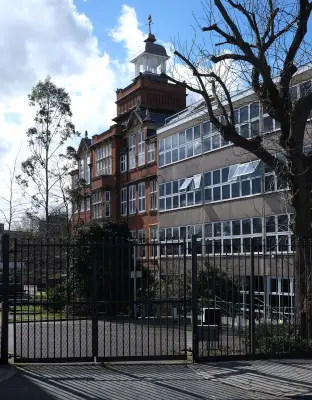
A secondary school in Greater Manchester has sparked outrage by using artificial intelligence to systematically censor its own library collection, targeting over 200 titles including George Orwell's dystopian classic 1984 and Stephenie Meyer's popular Twilight series. The unprecedented AI-driven book ban has resulted in the school librarian being subjected to a devastating safeguarding investigation that ultimately destroyed her professional career in education.
The AI Censorship System
According to documentation obtained by Index on Censorship, the school's headteacher implemented an AI system to evaluate library books for inappropriate content. The artificial intelligence flagged 193 titles as unsuitable for students, generating automated justifications for each removal. The school then presented this list to the librarian with instructions to purge the collection immediately.
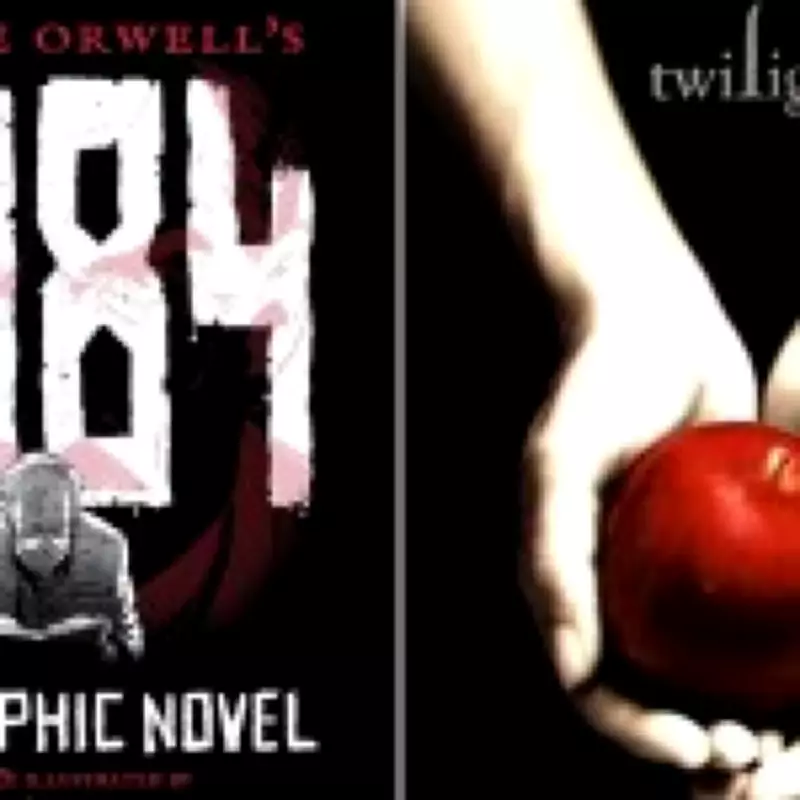
The AI's reasoning included classifying the graphic novel adaptation of Orwell's 1984 as containing "themes of torture, violence, sexual coercion," despite the novel's established place in literary education worldwide. Even the young adult vampire romance Twilight series, specifically marketed to teenage readers, was flagged for "mature romantic themes, sexual tension, and violence involving vampires and werewolves."
Expanding Censorship Targets
The AI-generated banned list extended far beyond these examples. Michelle Obama's bestselling memoir Becoming was targeted for containing "racism and political themes," while Nicholas Sparks' romance novel The Notebook was flagged as a "romantic drama about enduring love and memory loss." The censorship initiative began months earlier when the headteacher demanded removal of Laura Bates' Men Who Hate Women, which examines incel culture.
When the librarian questioned the school's methodology, administrators confirmed they had used AI to generate the classifications but maintained that "although the categorisation was generated using AI, I consider this classification to be broadly accurate." This established a dangerous precedent where algorithmic judgments overrode professional librarian expertise and traditional educational values.
Career-Ending Investigation
The situation escalated dramatically when school authorities placed the librarian under formal safeguarding investigation for having allowed the now-banned books in the library collection. Despite the librarian becoming physically ill from stress and taking medical leave, the complaint hearing proceeded without her participation.
The investigation concluded she had failed to follow safeguarding procedures, effectively ending her career in education. Caroline Roche, chair of the School Library Group, told Index on Censorship: "This is over the top. It's ruined her career. The fact it's gone through safeguarding means she will never be able to work in a school again."
Broader Implications for Intellectual Freedom
Index on Censorship has characterized this case as "an unprecedented attack on the freedom to read and intellectual freedom" where legitimate safeguarding measures were weaponized against educational professionals. The organization emphasized that "important safeguarding measures have been misused to threaten and target a school librarian" in what represents a dangerous new frontier in educational censorship.
The librarian, who spoke to Index on Censorship anonymously to expose the school's actions, described her reaction to the AI-generated ban list: "I was absolutely gobsmacked. I couldn't believe what I was hearing." Her experience highlights growing concerns about algorithmic decision-making replacing human judgment in educational settings, particularly when such systems lack transparency and accountability mechanisms.
This case raises fundamental questions about who controls access to information in schools, how technology is reshaping educational censorship, and what protections exist for professionals caught between administrative directives and educational best practices. The incident represents a troubling convergence of technological overreach, administrative overreaction, and the erosion of intellectual freedom in educational institutions.