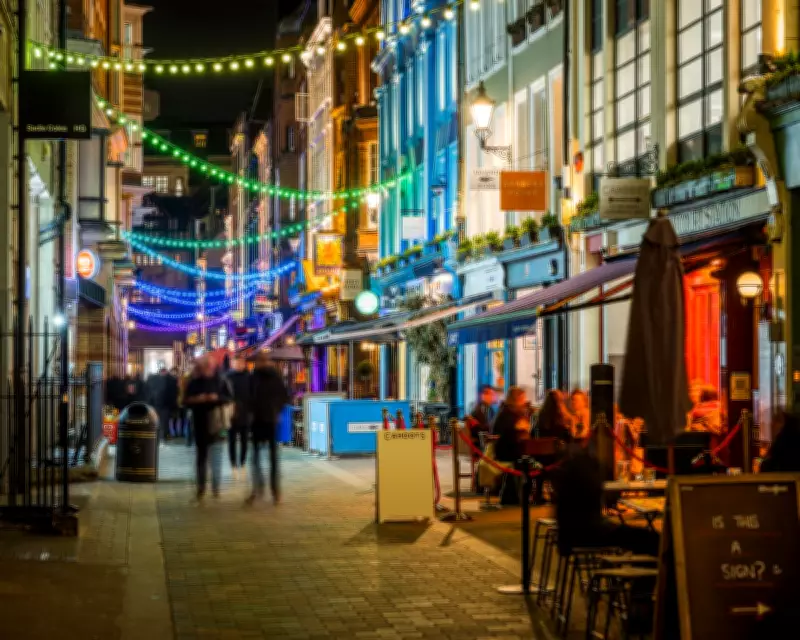
The Soho Society, a residents' group funded by Westminster council, is facing backlash from venue owners for its aggressive opposition to new bar and restaurant licences. The society voted at its annual general meeting on Thursday to adopt a new licensing mandate, challenging all new applications and renewals, as well as any venue seeking to operate beyond the council's core hours of 11pm. This move, according to operators, threatens to undermine Soho's status as a world-renowned entertainment district.
Impact on Businesses
Rupert Power, owner of Sophie's steak restaurant and Jack Solomons jazz bar, chairs the Soho Business Alliance, representing 150 small businesses. He expressed concern that the mandate could stifle the area's creative and social vibrancy. "Soho is renowned internationally for its creative activity and it is a melting pot of socialising. It would be a shame if that international reputation was trashed by a few residents," he said. Power noted that cities like Paris and New York maintain more robust late-night cultures than central London.
Another bar owner, who is a member of the society but spoke anonymously, claimed the group's tactics are intimidating. "Every time they contest a licence, no matter if it is for spurious reasons, the council looks at it. It costs nothing for them, but thousands for us. Why have a blanket policy to say 'no'? But they say they can see what we vote, and I don't want them to retaliate against me by coming after my licence. They are mafia-like. So I won't vote."

Legal and Financial Burdens
Brian Hannon, owner of the Super 8 restaurant group, criticised the society's ability to see how members vote. He said the group has always objected to licences, and their extreme stance makes them appear unreasonable. Last year, the society opposed a licence for a gin bar and distillery, claiming it posed a fire hazard. Despite the London Fire Brigade refuting this, the distillery incurred £44,000 in legal costs, while the society paid £27,000 due to financial constraints. A neighbouring business owner argued, "If they want to make vexatious complaints, they should risk the costs. Why should businesses have to pay?"
Broader Economic Concerns
A report by former cabinet minister Alan Milburn highlighted that a lack of hospitality jobs is contributing to high youth unemployment in Britain, with vacancies halving over four years. Power added, "It is strangling small businesses, meaning there are less hours and jobs for young people. To have a minority stifle growth, funded by the council, is not ideal."
Licensing Challenges
Power's own club, a historic venue where the Rolling Stones once played, holds a licence only until 1am, despite past parties lasting until dawn. He plans to apply again for extended hours, but faces repeated objections. "On an international stage, it's a bit sad we have to shut at 1am. It could destroy the West End's reputation."
Philip Kolvin KC, a planning lawyer, said the mandate covers nearly all licence applications, stifling innovation and diversity. He noted that even when authorities like the police and environmental health see no harm, applications face delays and spiralling costs. "It would represent great progress if residents' associations could make themselves part of the solution, rather than setting their face against change."
Society's Defence
The Soho Society spokesperson defended the mandate, citing concerns about cumulative impact, light pollution, and pavement congestion. They stated the society has never initiated a licence review, and decisions are made by the council. The society represents about 10% of Soho's residents, with no data on member ages. Caroline Sargent, Westminster council's deputy leader, affirmed the council balances Soho's status as a cultural hub with residents' quality of life, considering all representations on their merits.