London has the earliest council-mandated bedtime of any UK city, with strict licensing rules that experts say are “killing off nightlife” in the capital. While Manchester, Birmingham, and Leeds experience an after-hours boom due to more lenient policies, London’s nightlife districts face blanket restrictions that refuse new bar or restaurant openings past 11pm.
Core hours policies across London boroughs
Councils across the capital enforce “core hours policies,” directing licensing committees to refuse new venue openings after a set time. In Hackney, once known for vibrant nightlife, the curfew is 11pm on weeknights and midnight on weekends. Westminster, home to Soho and the West End, refuses applications for new bars and restaurants opening past 11.30pm on weeknights and midnight on weekends. The council also designates its main nightlife district as a “cumulative impact zone” (CIZ), meaning all new licences are refused unless “exceptional circumstances” apply.
Islington, with venues like the O2 Academy and Sadler’s Wells, has a presumption to refuse licences past 11pm on weekdays and midnight on weekends. Camden, famous for its market and rock clubs, recently imposed a core hours policy refusing licences after midnight Monday to Thursday, 12.30am Friday to Saturday, and 11pm on Sunday.

Other UK cities embrace later licences
In contrast, most UK cities including Manchester, Liverpool, and Birmingham have no blanket restrictions. Leeds has more flexible hours, granting licences generally up to 2am. Peter Connolly, owner-landlord of Nortons and The Anchor in Digbeth, Birmingham, obtained licences up to 5am with no pushback. “Norton’s has space for 500 customers, we have bands on for 12 hours on Saturday from 2.30pm till 2.30am. We are open till 4am, it gets bigger and louder as the night goes on,” he said. “We have a really good relationship with licensing.” Connolly reported no problems with noise or crime, issues that often drive London’s restrictions.
Matt Farrell, owner of Salt Dog Slims bars in Manchester and Liverpool, holds licences until 4am and 3am respectively. “We rarely encounter any issues when obtaining a licence, and, for the most part, the process is guided by common sense and logical decision-making,” he said.
Impact on London venues
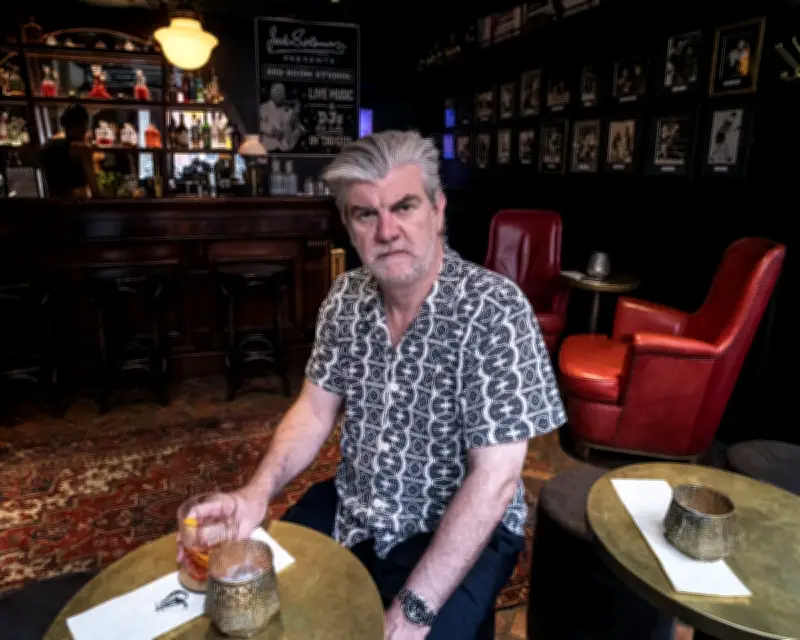
Rupert Power, owner of Jack Solomons Club in Soho, obtained a 1am licence before the 11.30pm core hours policy was introduced but has struggled to extend it to serve the post-theatre crowd. “Realistically, if a show finishes at 10.30pm you’re hitting the dancefloor at midnight and lights up at 1am,” he said. “Twice I have had a later licence refused as it’s beyond core hours and would contravene the cumulative impact. Back in the 60s when it was the Scene club it had a 3am licence and many famous bands played here including the Rolling Stones. Is it a crime to have a good time after midnight?”
Police perspectives differ
While the Metropolitan police frequently object to licences in London over crime concerns, West Midlands police’s PC Ben Reader supports a lenient approach. “We’ve got a really vibrant night-time economy in Birmingham with a range of pubs, bars and clubs catering for a wide range of tastes and communities,” he said. “We will take action to put restrictions on licences or even apply for reviews if proportionate and necessary, but we will always try to work with venues to ensure they are providing a safe environment for customers and contributing to a thriving night-time economy for Birmingham.”

Mayor Khan gains new powers
This autumn, Mayor Sadiq Khan will receive new powers from the government to override local authority decisions, aiming to stem nightclub and pub closures across London. Sacha Lord, founder of the Warehouse Project and former nightlife adviser to Greater Manchester’s mayor, said Manchester’s success stems from a permissive licensing regime. “It’s down to the fact that we know how to have a good time; but it’s also down to the approach taken by the council with regards licensing,” he said. “They understand the importance of a thriving night-time economy and try to work with operators, allowing them the times that they require. I look at other authorities across the UK, for example Westminster, who seem to have an opposite approach. They seem obsessed with limiting hours, limiting outdoor seating and limiting people having fun. Their blinkered, naive approach is killing off nightlife, especially in Soho, which used to be the thriving epicentre of London’s nightlife.”