Youth Arts Funding Crisis: Why Creativity Lags Behind Sport in UK Investment
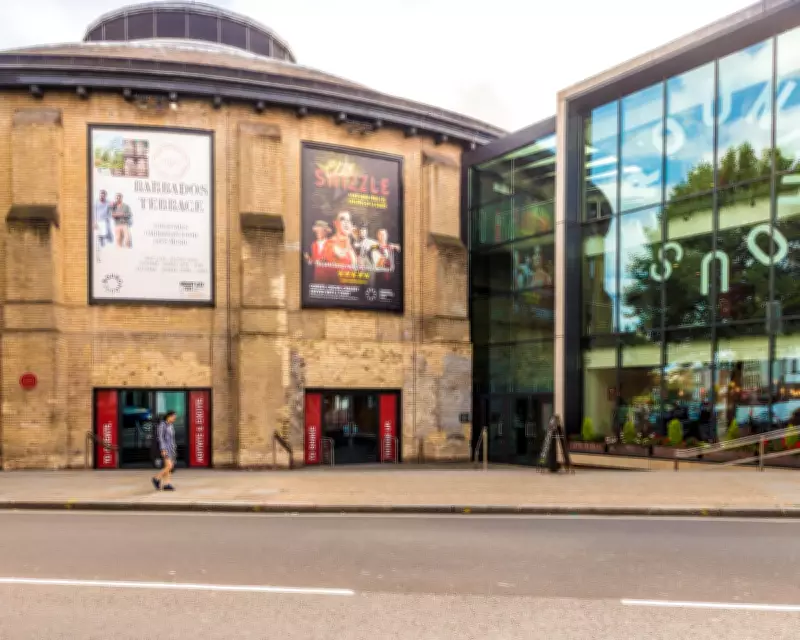
In a compelling critique of the UK's cultural landscape, Marcus Davey, chief executive and artistic director of the Roundhouse in Camden Market, north London, has highlighted a stark disparity in youth opportunity. While sport enjoys sustained investment and clear pathways, the arts face chronic underfunding, leaving millions of young people, especially from working-class and underrepresented backgrounds, excluded from creative pursuits.
The Urgent Need for Arts Equity
Davey's comments come in response to recent coverage on the revival of youth clubs, emphasizing that the launch of the Young Creatives Commission is a timely intervention. For years, access to arts and culture has been dictated by postcode and privilege, with creative subjects increasingly marginalized in state schools and youth-focused arts organizations grappling with funding cuts. The consequences are severe: young people miss out on opportunities that foster confidence, support wellbeing, and develop employable skills.
The creative industries are one of the UK's fastest-growing sectors, yet they lack the infrastructure and investment afforded to sport. Davey argues that creativity is not a "nice to have" but a vital driver of social mobility. The commission, led by the Roundhouse and Centre for Young Lives, unites leaders from creative industries, sport, and education to address why sport is prioritized while the arts are neglected.

A Roadmap for Change
The Young Creatives Commission aims to build local infrastructure, ensure affordable access, create visible career pathways, and secure long-term investment for the arts. Davey stresses that policymakers must listen directly to young people to understand the spaces they need and the barriers they face. For the government to genuinely widen opportunity, arts and culture must be integrated into youth strategy alongside sport.
This initiative offers a practical roadmap for reform, urging a shift in priorities to nurture the next generation of creative talent and address systemic inequalities in Britain's creative sectors.