Wireless Festival 2026 Collapse: A Calculated Risk Gone Wrong
The swift and dramatic cancellation of Wireless Festival 2026, following its announcement of Kanye West as headliner, has sent shockwaves through the music industry. What began as a controversial booking decision quickly escalated into a full-scale crisis involving sponsor withdrawals, political intervention, and unprecedented financial implications for festival organizers.
Sponsor Exodus and Political Fallout
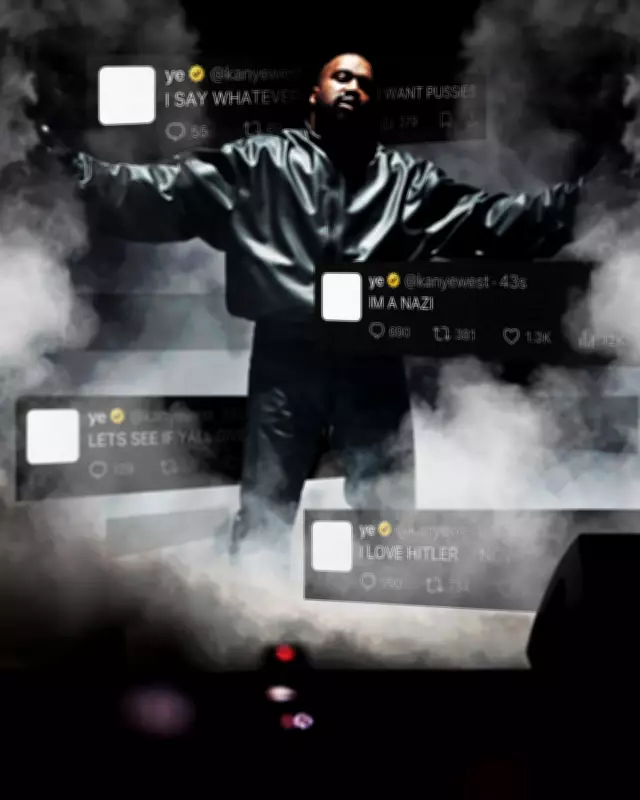
Within days of the announcement, major sponsors including Pepsi and Diageo began withdrawing their support in response to significant public backlash against Ye's past antisemitic comments and Holocaust references. UK Jewish groups threatened protests, while Labour leader Keir Starmer called the decision "deeply concerning." The situation reached its climax when the UK government intervened by refusing Ye entry into the country, forcing the cancellation of the three-day event scheduled for Finsbury Park in July.
"As soon as you've lost your major sponsors, you're not going to be able to get any replacements back in that timeframe," revealed a senior entertainment lawyer speaking anonymously. "The whole thing was premised on a house of cards."

Industry Experts Question Decision-Making
The collapse has left industry professionals questioning why Festival Republic, a division of concert giant Live Nation, would take such a risk with an openly controversial figure. The entertainment lawyer, whose clients include major global music acts, stated bluntly: "Any lawyer with half a brain would have seen this coming."
Despite Ye's full-page Wall Street Journal apology in January where he wrote "I am not a Nazi or an antisemite. I love Jewish people," the booking was made with full knowledge of his history. Festival Republic head Melvin Benn initially defended the decision, suggesting Ye's bipolar disorder diagnosis explained his past comments as manic episodes.
Reputational and Financial Consequences
Tim Jotischky, head of reputation at PR firm PHA, noted: "In the context of everything else that's happening, it is difficult to see how that decision could be anything but highly controversial and lead to a political outcry." He added that while Benn's loyalty to his booking decision was admirable, "Wireless is probably not the right space to test his mental health."
The financial implications are substantial. Wireless Festival's 2022 edition in Crystal Palace Park reportedly generated £37 million in economic activity and employed 2,400 people. Now, questions arise about liability for sunk costs and lost revenue between Festival Republic/Live Nation and Ye, depending on contract terms and insurance coverage.
Insurance and Future Bookings in Question
Martin Goebbels of Miller Insurance, with over 40 years in music insurance, called this "uncharted waters" for the industry. While suggesting Live Nation has "fairly large pockets" to weather the storm, he noted insurers may now add exclusions for visa cancellations to future policies.
The entertainment lawyer believes this incident will fundamentally change festival booking strategies: "The main lesson here is to never underestimate the strength of public opinion. If you're a promoter or festival organiser, you may now have to take a calculated risk with your bookings."
Ye's Continuing Tour and Industry Impact
Despite the Wireless cancellation, Ye's other scheduled shows continue. His April performances in Los Angeles and January shows in Mexico City proceeded without incident. He remains booked for June dates in the Netherlands and a July show in Madrid, though his India concert was rescheduled due to "geopolitical situation and regional tensions."
Unlike Wireless, these shows lack major sponsorship, reducing their financial vulnerability. However, the lawyer notes Ye remains technically insurable, though policies would likely consume significant portions of his performance fees: "The most conviction-prone driver can still get insured, but their policy is going to be enormous."

Broader Implications for Music Industry
Festival Republic claims "multiple stakeholders were consulted in advance" of the booking, though a well-placed source told the Guardian at least one sponsor learned about Ye's headlining role only through media announcements.
While Wireless will likely undergo reputation rehabilitation, its established brand and Live Nation backing provide some insulation. Ye's future as a touring artist depends on whether his upcoming international shows proceed as planned.
The controversy highlights how sponsor pressure, political intervention, and public opinion now significantly influence festival economics. As one fan told the BBC: "I feel that people should vote with their money, and if people didn't agree with what he said, then they shouldn't buy tickets."
Yet industry professionals acknowledge Ye remains commercially viable in certain markets. The entertainment lawyer observed: "They'll think, well, Los Angeles is pretty woke and we got away with it there." This suggests the Wireless collapse represents not an industry-wide rejection, but a cautionary tale about context-specific risk assessment in festival programming.