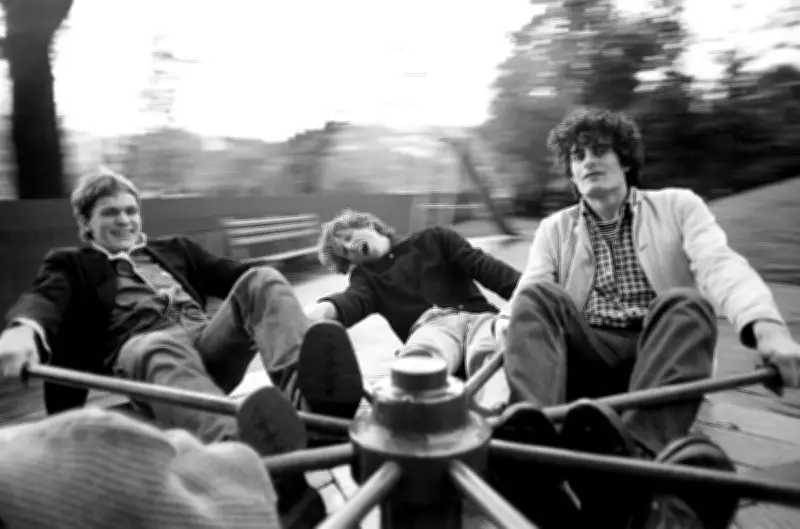
The Clean: Dunedin's Indie Pioneers and Their Lasting Impact
Formed in Dunedin, New Zealand in 1978 by brothers Hamish and David Kilgour along with Peter Gutteridge, The Clean emerged as trailblazers in the indie music scene. Their lo-fi DIY approach, deeply influenced by west coast psychedelia, the Velvet Underground, and post-punk, set a new standard for artistic independence. The band's debut single, Tally Ho, recorded for just NZ$50 in 1981 under Flying Nun Records, ignited a thrilling era in New Zealand music. Their innovative sound has left an indelible mark on iconic acts like Pavement, Yo La Tengo, and Guided by Voices, cementing their legacy as foundational figures in global indie rock.
Point That Thing Somewhere Else (1981)
This scorching track, featured on the band's first EP Boodle Boodle Boodle, originated from a bass line by Peter Gutteridge during a jam session. Recorded in a simple hall, the EP's five songs defied expectations by reaching No. 5 on the New Zealand music charts and remaining in the Top 20 for six months, all without commercial airplay. The song showcases ecstatic free-range guitar work, blending surf, proto-punk, and drone elements, with Hamish Kilgour proving himself as one of the greatest singing-drummers. A blistering 15-minute live recording from 1981 captures the trio creating epic sheets of sound, highlighting their raw energy and creativity.
Slug Song (1982)
In 1982, The Clean supported The Fall in Christchurch, impressing frontman Mark E. Smith. That same year, they released their second EP, Great Sounds Great, Good Sounds Good, So-so Sounds So-so, Bad Sounds Bad, Rotten Sounds Rotten, a title inspired by an ad for a Sony tape recorder. Recorded on a four-track over three days in a cramped Christchurch house, the EP marked a slight departure from their earlier spacious sound. Slug Song begins with a dinky chimney organ riff and clattering drums, building into a hypnotic swirl. Hamish Kilgour's Dylanesque interjection and cautionary lyrics add depth to this mesmerizing track.

Franz Kafka at the Zoo (1996)
From the 1996 album Unknown Country, recorded during Hamish Kilgour's return to New Zealand from New York, this song is a literary and atmospheric gem. Despite the album being called the band's least compelling by AudioCulture, Franz Kafka at the Zoo stands out with its quickly written lyrics and layered dual vocals. David Kilgour whispers poignant lines while Hamish narrates absurd sightings of figures like Franz Kafka, Karl Marx, and Virginia Woolf. The abstruse lyrics, such as Mickey Mouse ate a vanilla shoe, belie a wistful heart-tug, supported by spare piano and a languid bass line over quiet squalls.
Secret Place (1994)
Featured on their second studio album, Modern Rock, this song introduced new sonic textures with instruments like hammered dulcimer, cello, viola, and mandolin. Written by Robert Scott after a dream, it features his plaintive non-singer vocal style and an organ-led melody. The track offers an irresistible tonal uplift as Scott sings, I guess it's what we're hoping for, just a little truth, concluding with a dreamlike pastoral delicacy as a spidery piano fades out.
Diamond Shine (1990)
From their debut studio album Vehicle, this shimmering acid-tinged gem was noted by The New York Times for its tumbling guitar chords and endearing buoyancy. Produced by Geoff Travis and engineered by Alan Moulder, the album retains the band's DIY spirit despite a professional sheen. Diamond Shine showcases David Kilgour's fast and loose guitar stylings and Robert Scott's daggy vocal interjections, highlighting a trio perfectly in sync with shared songwriting and singing duties.
Quickstep (1981)
This live recording captures The Clean's formidable energy as a performing band. Recorded at Christchurch's Gladstone Tavern in 1981, it features a mangled, sped-up sound reminiscent of The Stooges or Swell Maps, with an unwavering death disco bass line. A terrific live clip from Auckland's Rumba Bar in 1982 shows the band performing to enthusiastic dancers, demonstrating their confidence and instinctive dynamic on stage.

Getting Older (1982)
With squalling guitar, chaotic drums, and taunting vocals, this song was written about a shallow, vain individual in Dunedin. Accompanied by a slapstick Buster Keaton-esque music video, it blends pop melodies, a big Spector sound, and dissonance. The wonky trumpet blasts, recorded by Scott into a piano cavity, add a reverby quality, while a majestic chord change about a minute in elevates the track's emotional impact.
Beatnik (1982)
An absurdist, good-time anthem recalling garage rock classics like 96 Tears, this song showcases The Clean's love of west coast psychedelia. With callouts reminiscent of The Rolling Stones and nonsensical lyrics, it features a goofy music video with friends dressed as hippies and beatniks. David Kilgour's west coast cool style in the video adds to the track's playful, retro vibe.
I'm in Love With These Times by Bailter Space (1987)
Penned by Hamish Kilgour and originating from The Clean's early days, this song was recorded with Bailter Space in 1987. Its clanging motorik beat and janky piano accompany sardonic lines about modern life, such as I'm in love with these times, police cars and parking fines. Flying Nun later used the title for a compilation, and label founder Roger Shepherd named his 2016 memoir after it, underscoring its cultural significance.
Anything Could Happen (1981)
With a laid-back, countryfied swagger, this song was written as a chord reference to Dunedin punk band The Enemy's Pull Down the Shades. Inspired by advice from a friend of Hamish's uncle, its uplifting chorus encourages making life worthwhile. Featuring imagery of junkyards and highways, it shows Bob Dylan's influence, with David Kilgour embodying a Dylan-like persona in the music video. Former New Zealand deputy prime minister Grant Robertson even named his 2025 memoir after this track, highlighting its enduring appeal.
The Clean's legacy continues with the new oral history, The Clean: in the dreamlife you need a rubber soul by Richard Langston, available now in New Zealand and Australia, with upcoming releases in Europe and North America. Their pioneering spirit and timeless tracks ensure their place in music history.