Ted Milton: The Enduring Spirit of a Post-Punk Puppeteer
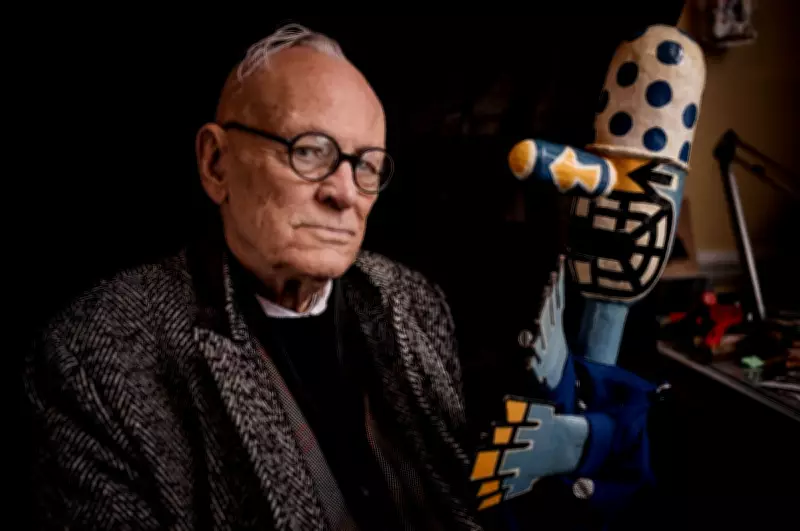
In a cluttered studio above a rehearsal space in Deptford, London, Ted Milton, now 82, speaks softly, his voice a whisper against the backdrop of record boxes and poetry books. A saxophonist, poet, and avant-garde puppeteer, Milton relies on sticks to move, yet his spirit remains undimmed as he prepares for a European tour with his band Blurt and releases a new album with his duo, the Odes. Surrounded by memorabilia, including a bright orange suitcase he proudly displays, Milton's laughter booms, a testament to the lung power that once commanded rooms and stages alike.
A Life Skulking in the Background of Cultural Revolutions
Milton's career is a tapestry woven through pivotal moments in British postwar culture. He recalls sharing taxis with Beat generation icon William S. Burroughs in the early 1960s and being hailed as a visionary by Eric Clapton, an old drinking companion. His puppet show crashed into the Monty Python universe via Terry Gilliam's 1977 film Jabberwocky, while rumours swirl of his involvement in a lost Pink Floyd promotional film. With Blurt, a bass-less trio known for raucous, jazzy blowouts, Milton carved a unique niche. "The groove they had was utterly fabulous," says Graham Lewis of post-punk band Wire, a long-term admirer.
Family Reckoning: The Last Puppet Show
In the autumn of his life, Milton faces a poignant turn as his family, including five children from three marriages—the youngest born when he was nearly 70—prepares a documentary, The Last Puppet Show. Directed by his son George, the film uses reanimated puppets to explore Milton's work and fraught relationships. "It's like a therapy session for kids," Milton remarks cautiously, acknowledging the fear of being confronted by his family's perspectives. This introspection traces back to a fragile childhood, marked by boarding school and bullying, which fuelled his rebellious streak and artistic pursuits.

From Bohemian Debauches to Puppet Mastery
Milton's journey took him from art studies in Cambridge to the heart of London's bohemian scene, where he lived with girlfriend Clarissa in a period of "bohemian debauchery." Clapton, in his autobiography, credits Milton with awakening his understanding of music's transformative power. Despite opportunities, such as potential collaborations with Pink Floyd, Milton often shunned conventional success. "If success was presented to Ted on a silver platter, he'd piss on it," declares Roger Law, co-creator of Spitting Image, highlighting Milton's irreverent nature.
His foray into puppetry began in the late 1960s, with performances that blended violence and absurdity. Milton's characters, like Deepthroat Porker and Constable Nosey Parker, delivered anti-authoritarian messages, earning him support slots for artists like Clapton and Ian Dury. These outrageous shows, featured on Tony Wilson's So It Goes, caught the attention of post-punk pioneers, seamlessly integrating into the era's subversive ethos.
Charisma and Compromise in Later Years
Reflecting on his performances, Milton describes charisma as "a form of psychosis," citing psychological theories about suppressed authenticity. Age has brought a more easy-going perspective, though his anti-authoritarian streak persists. Forced to perform sitting down recently, he notes it opens a "different dynamic," concentrating his art further. As Blurt tours Europe and his documentary nears completion, Milton's legacy as a countercultural survivor endures, a testament to a life lived on the edge of convention.