Odeal: The Independent R&B Phenomenon Building Global Connection
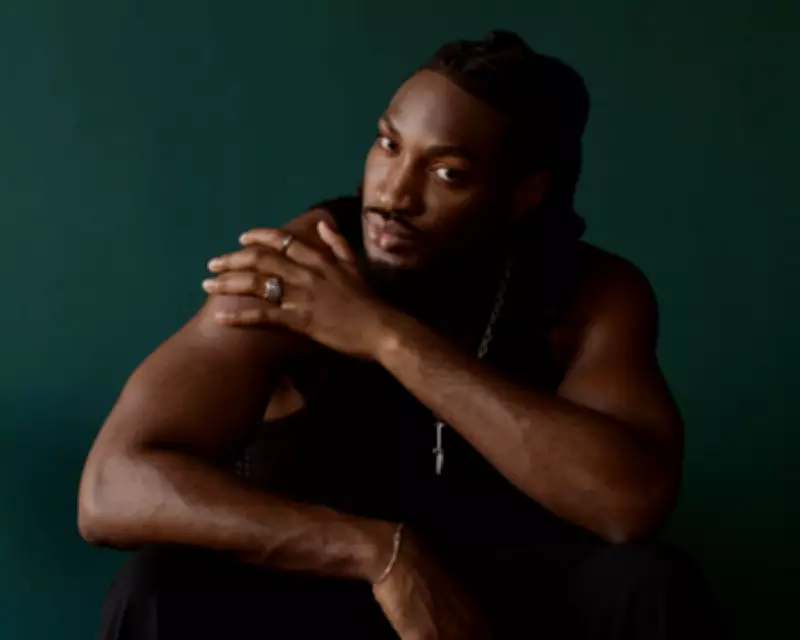
Hours before his debut performance at Brixton Academy in late March, British-Nigerian singer Odeal displayed remarkable calmness. "I'm not looking at a crowd tonight," he revealed. "I'm looking at my people; aunties, uncles, friends, peers and supporters." This intimate perspective defines the 26-year-old artist's approach to his rapidly growing career in the contemporary R&B landscape.
A Unique Path to Recognition
Odeal, born Hillary Dennis Udanoh, possesses a particular type of fame within the British music scene. While enjoying adoration from R&B's global fanbase and accumulating millions of streams, he maintains relative obscurity in mainstream circles beyond the genre. His musical style defies easy categorization, blending R&B foundations with Afrobeats influences, neo-soul textures, and contemporary pop sensibilities.
Across his discography, which includes the acclaimed 2025 sister EPs The Summer That Saved Me and The Fall That Saved Us, Odeal explores emotional complexity rather than conclusive narratives. His songs inhabit grey areas of feeling, encouraging listeners to embrace their emotional conflicts. "If you wanna heal, you've got to feel quicker," he sings on his popular track Miami, capturing his philosophical approach to music creation.

Early Sacrifices and Life-Changing Experiences
Odeal's journey began across multiple continents, with childhood years spent in Germany, Spain, south London, and Nigeria as his parents relocated for work. His musical dedication emerged at age thirteen when he started prioritizing studio time over social activities, even selling his PlayStation to purchase essential equipment. "I've never made a sacrifice that wasn't in favour of music," he states unequivocally.
This discipline was profoundly influenced by his mother's example. "She worked three different jobs to look after me and my brothers," he recalls with admiration. "She'd wake up before me, go to sleep after me, and still cook." A near-fatal experience with septic shock from malaria in November 2017 further transformed his perspective. "I nearly didn't make it," he acknowledges. "That experience shifted everything."
Creative Independence and Industry Challenges
Following his recovery, Odeal established his club night Ovmbr, named in reference to the month that saved his life. This project eventually inspired his 2020 debut mixtape Ovmbr: Roses. Despite this creative momentum, his major label dropped him shortly after the release. "I was very sure about what I wanted; a label was never the end or be all," he asserts.
This independence has become central to his artistic identity. While he secured a publishing deal with Sony in December, he remains an independent recording artist. "If I'd been signed to a record label," he speculates, "a lot of the songs I have out probably wouldn't have come out, or there'd have been a lot of pushback. A lot of A&Rs push for hits. Do I lose myself in the process of trying to find that?"
The Brit Awards Snub and Alternative Measures of Success
Odeal's outsider status was highlighted at the recent Brit awards, where he received no nomination in the R&B category despite being widely regarded as one of Britain's leading acts in the genre. When questioned about this omission, he responds diplomatically: "It doesn't bother me; everyone who was nominated deserved it."
He acknowledges the industry's tendency to favor major label artists over independents, particularly in genres like R&B that sometimes receive niche categorization in the UK market. Does his exclusion reflect deeper systemic issues? After a thoughtful pause and a knowing smile, he offers: "Something like that. But I can never really take it personally. I've got my own goals. Awards are dope, but I want people in every corner of the world to relate to my music."
For Odeal, genuine connection outweighs institutional recognition. "When people come to shows, sing the lyrics and it's sold out, that's the award," he declares.

Global Collaborations and Expanding Influence
Odeal's collaborative network includes prominent American artists like Leon Thomas, Justin Bieber, and SZA. His Brixton Academy performance attracted a remarkably diverse audience spanning multiple generations and cultural backgrounds. The atmosphere blended intimate couple dancing, enthusiastic group singing, and spontaneous social connections among strangers.
A particularly memorable moment occurred during In the Chair when Odeal invited a fan onstage, triggering enthusiastic reactions throughout the venue. His Ovmbr project has expanded significantly over seven years, now featuring at international festivals including Portugal's Afro Nation, Paris's Fête de la musique, and events in Lagos and South Africa. The creative team behind these initiatives primarily consists of individuals from Odeal's personal and professional circles.
Redefining Genre and Measuring Impact
Odeal perceives exciting developments across the global R&B landscape, comparing current creativity to "football back in the day when Brazil would play – the creativity, the skills, new tactics, it's so incredible to watch." Yet he resists restrictive genre classifications, insisting his music "isn't [in] a genre – it's a feeling."
This philosophy manifested powerfully at Brixton Academy, where audience members frequently sang louder than the performer himself. Whether the traditional music industry fully acknowledges his contributions or not, Odeal finds sufficient validation in these human connections. As he prepares for his upcoming arena tour with R&B superstar Summer Walker, beginning May 26th at Toronto's Scotiabank Arena, his focus remains on artistic integrity and genuine audience engagement rather than conventional markers of success.