For professional oboist and record-label founder Celia Craig, listening to or performing music is a profoundly visual, almost psychedelic experience. A specific piano note can flood a room with blinding white, while orchestral pieces might conjure emerald green landscapes or the sensation of floating on billowing purple waves. This is her reality, thanks to a neurological condition known as chromesthesia.
Discovering a Colourful World of Sound
Celia's first conscious experience of synaesthesia—a phenomenon affecting 2% to 4% of the population—occurred at just three years old. "Somebody played the B note on the piano. The whole room went white, like a blizzard," she recalls. For years, she assumed everyone perceived the world this way, where each musical note had its own distinct colour and texture.
This unique perception provided an unexpected advantage in her musical training. Similar to a character visualising chess moves in The Queen's Gambit, Celia could see music unfold in colour, aiding memorisation and pitch-perfect playing. "I don't need to memorise a piece of music because it's playing out in front of me in colour," she explains. Her talent led her to the Kent Junior Music School, though her sensory experiences, like doing scales with closed eyes, sometimes puzzled her teachers.

From Hiding to Embracing a Neurodivergent Gift
It was in her early teens that Celia first learned the term 'synaesthesia', after a family friend was diagnosed with a related form. She soon understood her own condition was chromesthesia (auditory-visual synaesthesia), where specific sounds automatically trigger colour visions. However, opening up about it led to bullying, silencing her for over two decades as she built a career with prestigious ensembles like the BBC Symphony Orchestra.
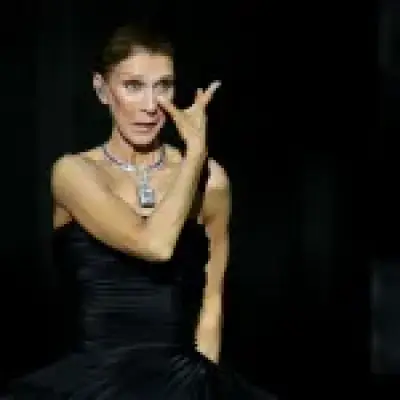
"A girl turned around and told me everyone thought I was weird," Celia says of a school incident where a beautiful piece moved her to tears. It took a period of depression and the guidance of a mental health specialist to help her reframe her synaesthesia not as a burden, but as a unique gift and a form of neurodiversity.
Championing Awareness and Building Community
Now 57, Celia is a passionate advocate. She has created a primary school programme to normalise difference and launched an album of improvised sound baths to promote neurodiversity awareness. Her research into the synaesthetic 1930s Australian composer Miriam Hyde has been a source of inspiration and solidarity.
Looking forward, Celia envisions more inclusive concerts for neurodiverse audiences and online communities for synaesthetes. She believes that by celebrating this variation in perception, society can help future synaesthetic artists—like Billie Eilish and Lorde—thrive and prevent the bullying and depression she once faced.
"Synaesthesia is not a disorder; it's a variation of human perception that should be celebrated," Celia states emphatically. "I only wish I'd discovered that decades earlier." Her story stands as a powerful testament to embracing the unique ways in which we all experience the world.