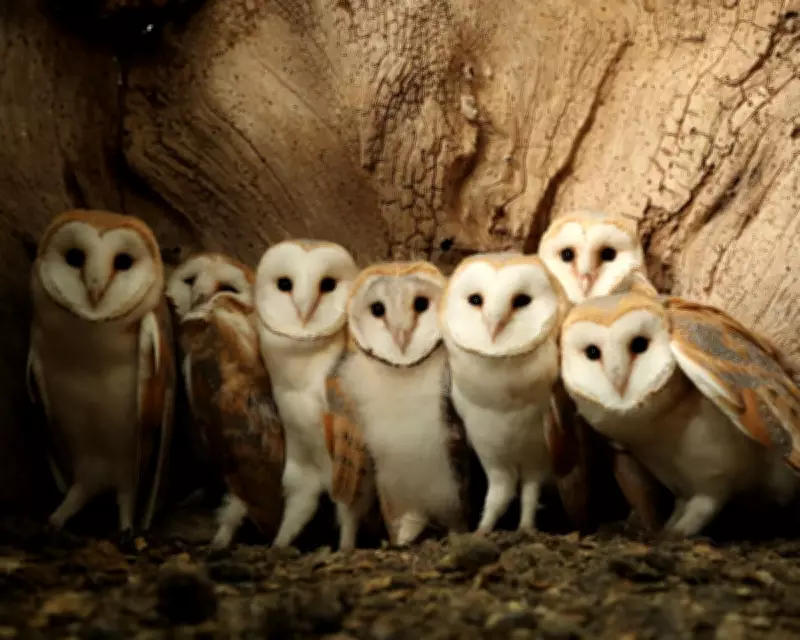
Wildlife artist Robert Fuller has taken his childhood hobby of building bird boxes with his father to a new level by installing cameras inside his artificial habitats and livestreaming the footage on YouTube. His channel, which documents the lives of nesting owls, kestrels, and kingfishers in the Yorkshire Wolds, is on the verge of reaching 1 million subscribers worldwide, generating an average of 2.8 million monthly views.
From Curiosity to Global Phenomenon
Fuller initially built nest boxes to photograph and film wildlife from fallen trees, but grew frustrated by not being able to see inside. He then placed cameras and began streaming live on YouTube with no expectations. The channel gained traction during the COVID-19 lockdown, with viewers from around the world, including China, South Korea, India, the US, and Europe, becoming hooked on the real-time drama.
Nature's Soap Opera
The livestreams capture births, fledgling flights, and even first dates among the birds. Fuller describes barn owls as particularly entertaining: the male often makes mistakes, such as calling for weeks before rushing toward the female and knocking her over. One of the most popular videos shows a young barn owl's reaction to thunder, with 27.7 million views, while a kestrel pair's battle to protect their nest has 16.6 million views. Around 70% of viewers are repeat watchers, with one describing the streams as "nature's soap opera."

Success Beyond Traditional Media
Fuller's work has been featured on the BBC's Springwatch, but his YouTube success has drawn attention from traditional broadcasters seeking to replicate his approach. Despite the channel's popularity, Fuller emphasizes that his art business subsidizes the significant costs of filming and equipment. The ad revenue from YouTube is relatively small and goes toward staffing costs.
Concerns About AI Content
While Fuller praises YouTube for enabling him to share British wildlife globally, he is critical of the platform's support for AI-generated content. He says viewers sometimes mistake his footage for AI because of its quality, but he works over 100 hours a week to capture it. Fuller is "absolutely baffled" by YouTube's allowance of AI content, which under current rules must be labeled. YouTube has stated that not all AI content is poor quality and that it effectively removes low-quality and spammy content.
The channel has changed Fuller personally, making him more aware of others through letters and emails from viewers who found solace in his videos during lockdown and beyond. "The difference it makes to people that are struggling is incredible," he said.