Leeds Song Festival Review: From Haiku to Hauntings in an Evening of Artistic Innovation
The Leeds Song Festival, a premier celebration of vocal arts, continues to demonstrate remarkable creativity and boundary-pushing programming under director Joseph Middleton. Two distinct concerts exemplified the festival's commitment to honoring traditional recital roots while exploring innovative artistic expressions.
Haiku: Traditional Recital with Contemporary Resonance
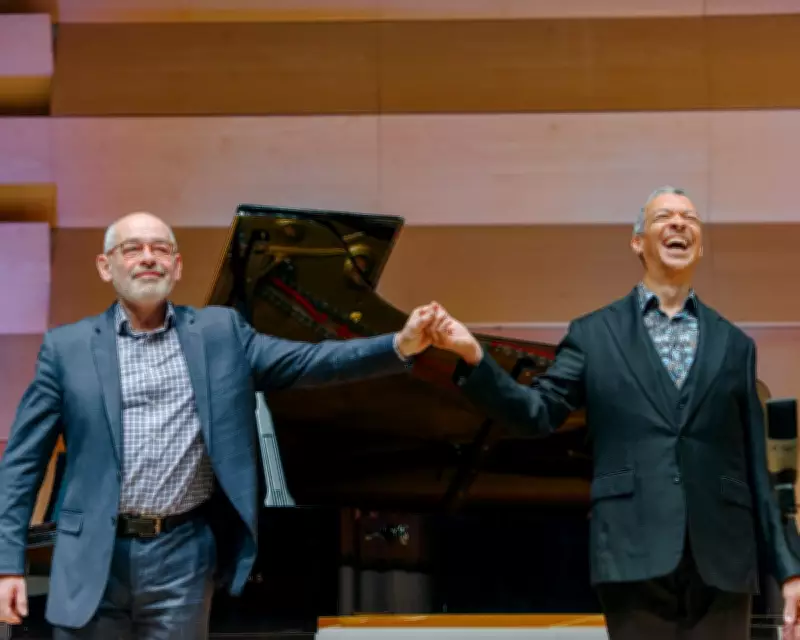
Baritone Roderick Williams and pianist Iain Burnside presented Haiku, a program that premiered last year in Minnesota and revolves around eight poems from Japanese Americans interned during World War II. Libby Larsen's settings, collectively titled Mobile/Not Mobile/..., are distilled musical compositions sung in both English and Japanese, exploring themes of exile, detention, and deportation with remarkable imagination.
Williams, described as a master storyteller who could breathe life into a telephone directory, demonstrated exceptional vocal range and emotional depth throughout the approximately 90-minute performance. His warm vocal embrace and expressive physicality brought pain, pathos, wit, and wisdom to a kaleidoscopic array of songs spanning from Schubert and Liszt to Britten and Poulenc.

Burnside proved an equal partner in this musical journey, providing generous and supportive accompaniment that instinctively cast a musical halo around Williams' voice. The program interwove Larsen's haiku settings with complementary songs from Williams' extensive repertoire, creating internal echoes and modern resonances throughout the delicately balanced recital.
Musical Highlights and Discoveries
Among the program's many standout moments was Gerald Finzi's setting of Thomas Hardy's Waiting Both, featuring a man exchanging terse profundities with a gnomic star. The evening also offered mouthwatering discoveries including Joan Trimble's delicate Irish love song My Grief on the Sea and Elisabeth Lutyens' sardonic setting of W.H. Auden's Refugee Blues.
Williams brought roustabout energy to Larsen's ditty about white-toothed children chasing dragonflies before capturing the hazy languor of Vaughan Williams's Silent Noon. The recital concluded on a perfect laid-back note with Maria Grever's rumba-inflected What a Diff'rence a Day Made, showcasing the program's remarkable emotional and stylistic range.
Dunwich: Experimental Soundscapes and Ghost Stories
If Haiku remained within traditional recital boundaries, the festival commission Dunwich stretched artistic concepts to their limits. Billed as "a song cycle without a singer," this innovative work was created by Leeds-based composer Martin Iddon in collaboration with pianist Rei Nakamura, speaker Gillian Jane Lees, and videographer Adam York Gregory.
The piece takes its name from East Anglia's famous "lost city," a once-thriving medieval seaport gradually swallowed by the North Sea. Iddon created a haunting soundscape combining field recordings from Dunwich's last remaining gravestone with shape-shifting piano writing that hovered on the edge of conventional tonality, whispering of bells, folk song, hymnody, and the sea.
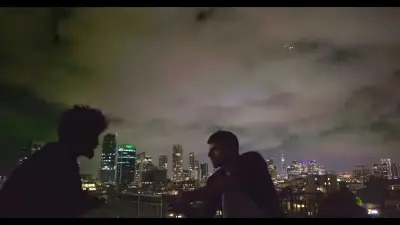
Over these aural shifting sands, Lees delivered slyly sinister accounts of local ghost stories featuring abandoned maidens, bells tolling beneath waves, and Black Shuck—a demonic hound haunting the East Anglian coast. Gregory's eerie black-and-white videos of Dunwich and its environs showed forbidding seas and sped-up figures flitting restlessly like shadowy will-o'-the-wisps, creating a complete multimedia experience.
Festival's Continuing Legacy
The Leeds Song Festival's programming demonstrates director Joseph Middleton's determination to think outside the box while maintaining respect for vocal tradition. From Williams' masterful traditional recital to Iddon's experimental soundscapes, the festival continues to push artistic boundaries and explore new possibilities in vocal performance.

These two concerts represent the festival's commitment to presenting diverse approaches to vocal arts, from the emotionally resonant traditional recital to innovative multimedia explorations of place and memory. The Leeds Song Festival continues through April 18, 2026, offering further opportunities to experience the cutting edge of vocal performance and artistic innovation.